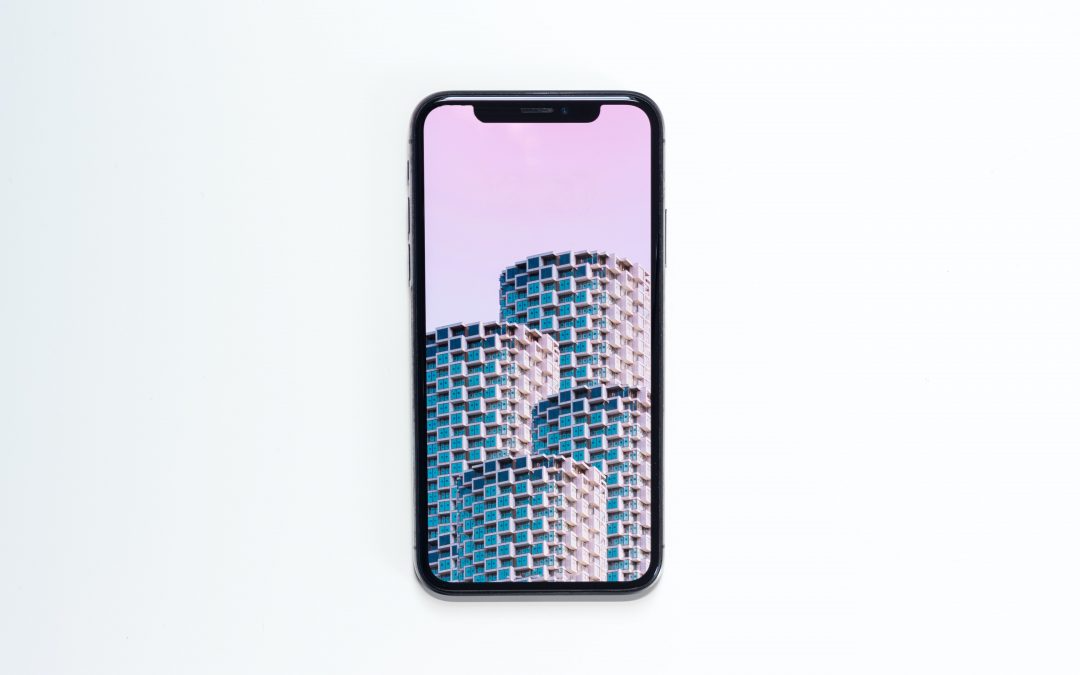
There’s no two ways around it: nobody makes a properly small Android phone these days. That means if you want a compact, affordable smartphone, it’s going to have the Apple logo on it.
Apple’s ‘e’ models are its most affordable iPhones, and the natural home for anyone who doesn’t want to spend flagship money. They took over from the old iPhone SE, and there are now two to choose from: the iPhone 16e and the newer iPhone 17e.
Both are light, keenly priced and easy to live with, but they’re not identical. The iPhone 16e arrived first, and Apple has since followed it with the iPhone 17e, which brings a newer chip and a handful of welcome upgrades.
If you’re in the market for a smaller, more affordable iPhone, you’ll probably end up asking “Should I buy the iPhone 16e or the iPhone 17e?”
Let’s look at how they compare, so you can choose the best small iPhone for you...
Want to consider Android phones too? Check out our guide to the best small phones.
iPhone 16e vs iPhone 17e | Design and size
In the hand, these two are almost impossible to tell apart. Both share the same compact flat-edge body, measuring 146.7x71.5x7.8mm, and they weigh practically the same, 167 grams for the iPhone 16e and 169 grams for the iPhone 17e. Both are comfortable to use one-handed and slip easily into a pocket.
Both phones share the same essentials too: a 6.1” screen, Face ID, the handy Action button, USB-C and IP68 water and dust resistance. The iPhone 17e adds the newer Ceramic Shield 2 front glass for a little extra toughness.
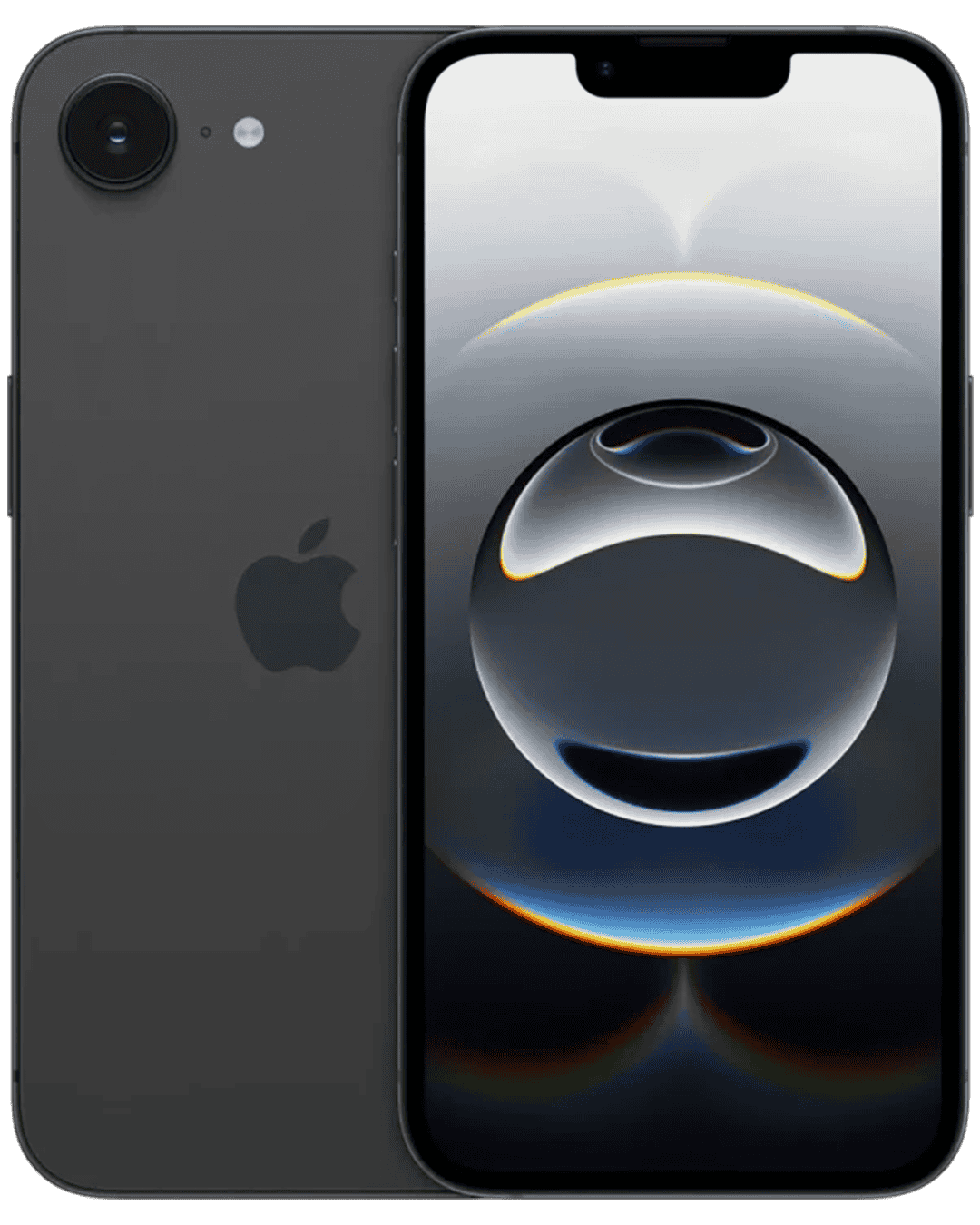
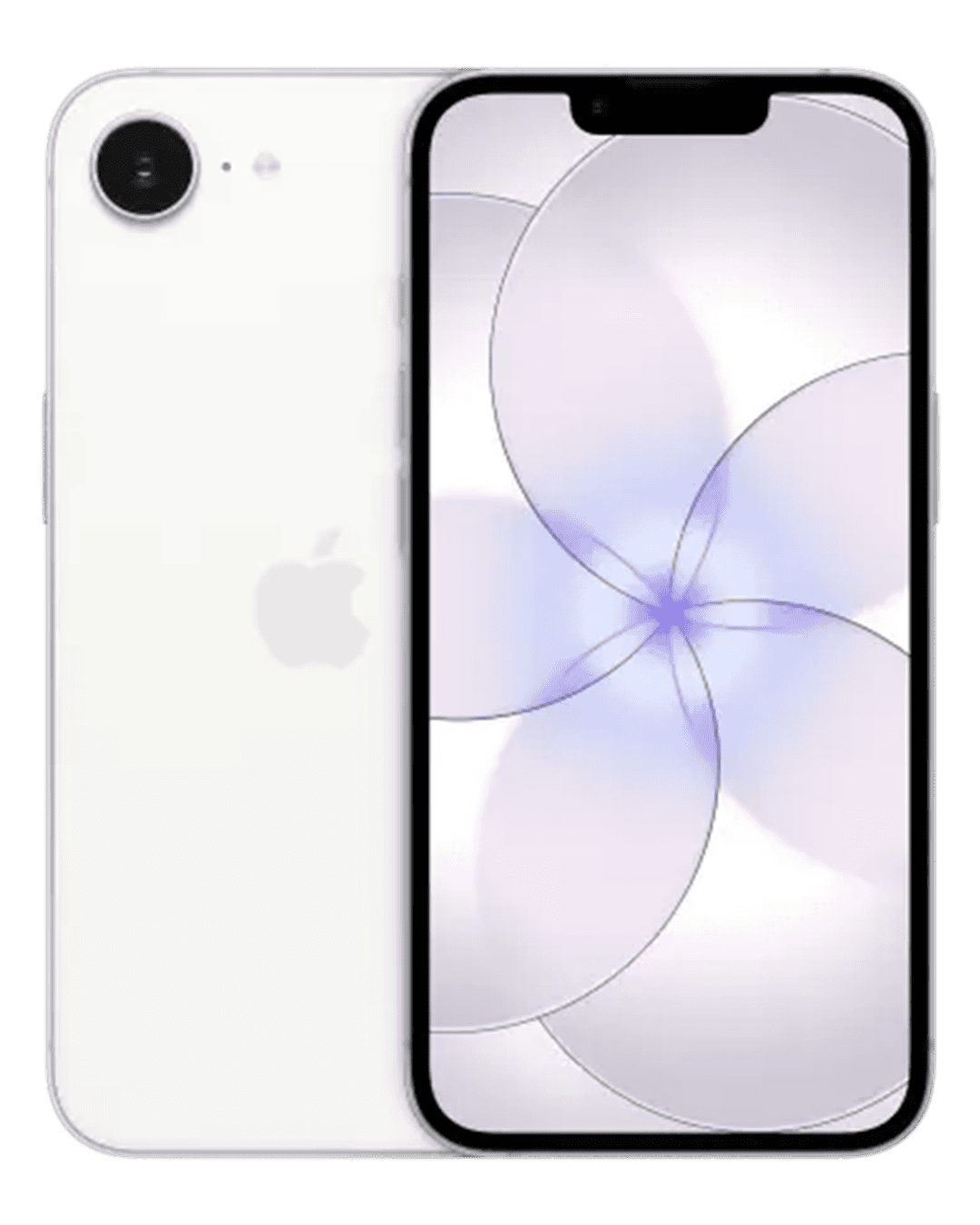
The main visible difference is colour. The iPhone 16e comes in black or white, while the iPhone 17e adds a lovely Soft Pink option to the same black and white.
iPhone 16e vs iPhone 17e | Display
Both phones use a 6.1” Super Retina XDR OLED display at 2,532x1,170 (460 pixels per inch), so they’re equally sharp, bright and vibrant for everyday use, films and games.
The one real difference is brightness: the iPhone 17e goes up to 1,200 nits at its peak, making it a little easier to read in bright sunshine. Neither phone has Apple’s faster ProMotion refresh rate, which stays reserved for the Pro models, so both run at a standard 60Hz.
iPhone 16e vs iPhone 17e | Processor
This is where the newer phone pulls ahead. The iPhone 16e runs Apple’s A18 chip, while the iPhone 17e steps up to the newer, faster and more efficient A19.
In truth, both are seriously quick and will breeze through anything you throw at them, from demanding games to Apple Intelligence features, with 8GB of RAM and Apple’s own modem on board. The A19 simply gives the iPhone 17e a bit more headroom, which should help it stay current for even longer.
iPhone 16e vs iPhone 17e | Camera
Both phones share the same clever camera setup: a single 48 megapixel Fusion main camera with an f/1.6 aperture, which doubles as a sharp 2x telephoto by using the middle of the sensor. That means you get a genuine quality zoom without a second lens. At the front, both have a 12MP selfie camera.
Because the hardware is so similar, photos from the two are very close. The iPhone 17e’s newer A19 chip handles the clever computational photography a touch better, so it has a slight edge in tricky lighting, but both take excellent pictures for the money.
iPhone 16e vs iPhone 17e | Video
There’s almost nothing between them here. Both phones shoot 4K video at up to 60 frames per second with Dolby Vision HDR, along with 1,080p HD and slo-mo at up to 120fps.
Whether you’re filming for social media or capturing family moments, either phone will do a lovely job.
iPhone 16e vs iPhone 17e | Battery and charging
Good news if battery life matters to you: both phones carry the same 4,005mAh battery and are rated for up to 26 hours of video playback. That’s genuinely impressive for a compact iPhone, and comfortably enough to see you through a full day.
Both charge over USB-C and support fast wired charging. The difference is wireless: the iPhone 17e supports faster 15W wireless charging, where the iPhone 16e tops out at 7.5W, so the newer phone tops up quicker off a pad.
iPhone 16e vs iPhone 17e | Storage and colours
The iPhone 16e is available in 128GB, 256GB and 512GB, which means it has a cheaper entry point thanks to that 128GB model. The iPhone 17e starts at 256GB and also comes in 512GB, so it begins with more room as standard but no budget entry model.
On colours, the iPhone 16e comes in black or white, while the iPhone 17e adds Soft Pink to the same two. Both support 5G and the latest Wi-Fi.
| |
iPhone 16e |
iPhone 17e |
| Chip |
A18 |
A19 (newer, faster) |
| Display |
6.1” OLED, 60Hz |
6.1” OLED, 60Hz, up to 1,200 nits |
| Rear camera |
48MP Fusion + 2x |
48MP Fusion + 2x |
| Battery |
Up to 26hrs video |
Up to 26hrs video |
| Wireless charging |
7.5W |
15W (faster) |
| Storage |
128 / 256 / 512GB |
256 / 512GB |
| Colours |
Black, White |
Black, White, Soft Pink |
Should I buy an iPhone 16e or iPhone 17e?
Happily, this is a fairly easy choice, because there are no bad options here.
If you want to spend as little as possible, go for the iPhone 16e. It’s still a brilliant, fast, compact iPhone with the same excellent 48MP camera and the same long battery life, and its 128GB model makes it the cheapest way into a current iPhone. Apple has moved on from it, but you’ll find it on Mozillion from around £490.
If you want the newest phone and plan to keep it the longest, the iPhone 17e is the one. The faster A19 chip, brighter screen, quicker 15W wireless charging, tougher Ceramic Shield 2 and the extra Soft Pink colour make it the more future-proof pick, from around £690 on Mozillion.
Day to day the two feel very similar, so it really comes down to your budget and whether the iPhone 17e’s extras matter to you. Still not sure? Have a read of our small phones guide and see how Android’s compact options compare.
More from Mozillion