The best small iPhone to buy in 2027
The mini is long gone and the SE went with it. So what counts as a small iPhone now, which one is actually the smallest, and which is the one to put in your pocket?
Apple doesn’t make a tiny iPhone any more
If you came here hoping for a modern iPhone 13 mini, the honest answer is that it doesn’t exist and it isn’t coming back.
Apple discontinued the mini in September 2023, and the 13 mini was the last of them. The SE lasted a little longer: the third-generation model was retired in February 2025 and replaced by the iPhone 16e, which in turn gave way to the iPhone 17e in March 2026. Each replacement has been slightly bigger than the thing it replaced.
That sounds like bad news, and for anyone with genuinely small hands it partly is. But the picture is better than it looks. Phones at the compact end have got lighter, thinner and much better, and the gap between the smallest iPhone and the best iPhone has almost closed. In 2024 choosing small meant accepting an old chip and a weak camera. It doesn’t now.
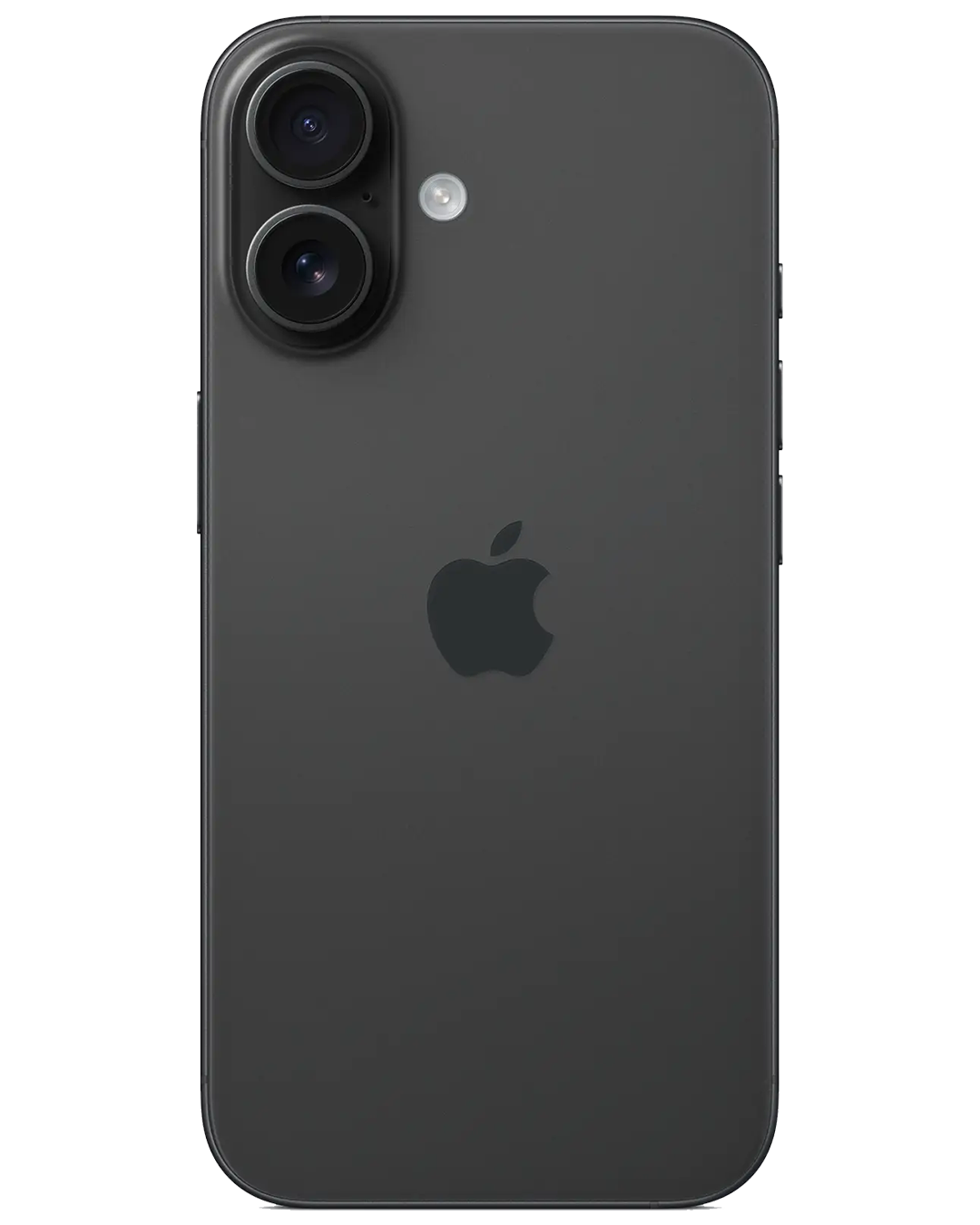
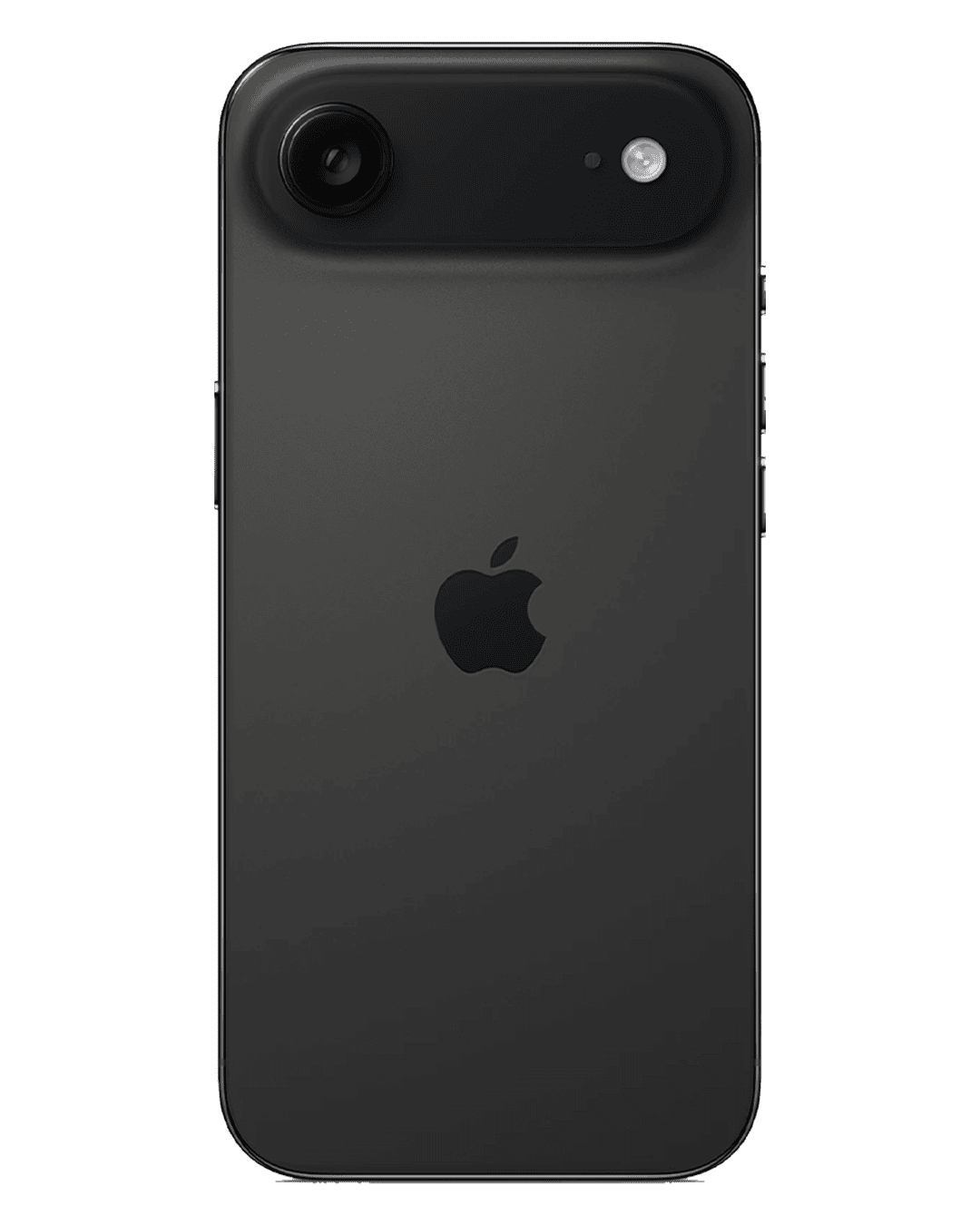
What counts as a small iPhone now
The floor is 6.1 inches, and it has been for a few years. Below that there is nothing current. The useful differences are in the millimetres and the grams, and they are bigger than the screen sizes suggest.
| Model | Screen | Size (mm) | Weight | Video playback |
|---|---|---|---|---|
| iPhone 17e | 6.1" | 146.7 x 71.5 x 7.8 | 169g | Up to 26 hours |
| iPhone 16e | 6.1" | 146.7 x 71.5 x 7.8 | 167g | Up to 26 hours |
| iPhone 16 | 6.1" | 147.6 x 71.6 x 7.8 | 170g | Up to 22 hours |
| iPhone 15 | 6.1" | 147.6 x 71.6 x 7.8 | 171g | Up to 20 hours |
| iPhone 17 | 6.3" | 149.6 x 71.5 x 8.0 | 177g | Up to 30 hours |
| iPhone 17 Pro | 6.3" | 150.0 x 71.9 x 8.8 | 206g | Up to 33 hours |
| iPhone 18 Pro | 6.3" | 150.0 x 71.9 x 8.8 | 211g | Up to 36 hours |
| iPhone Air | 6.5" | 156.2 x 74.7 x 5.6 | 165g | Up to 27 hours |
Two things jump out of that table. The lightest iPhone in the range is also the biggest one on this list, and the two Pro models are the same size as each other to a tenth of a millimetre, which is worth knowing if you are handing a case down.
The smallest: iPhone 17e
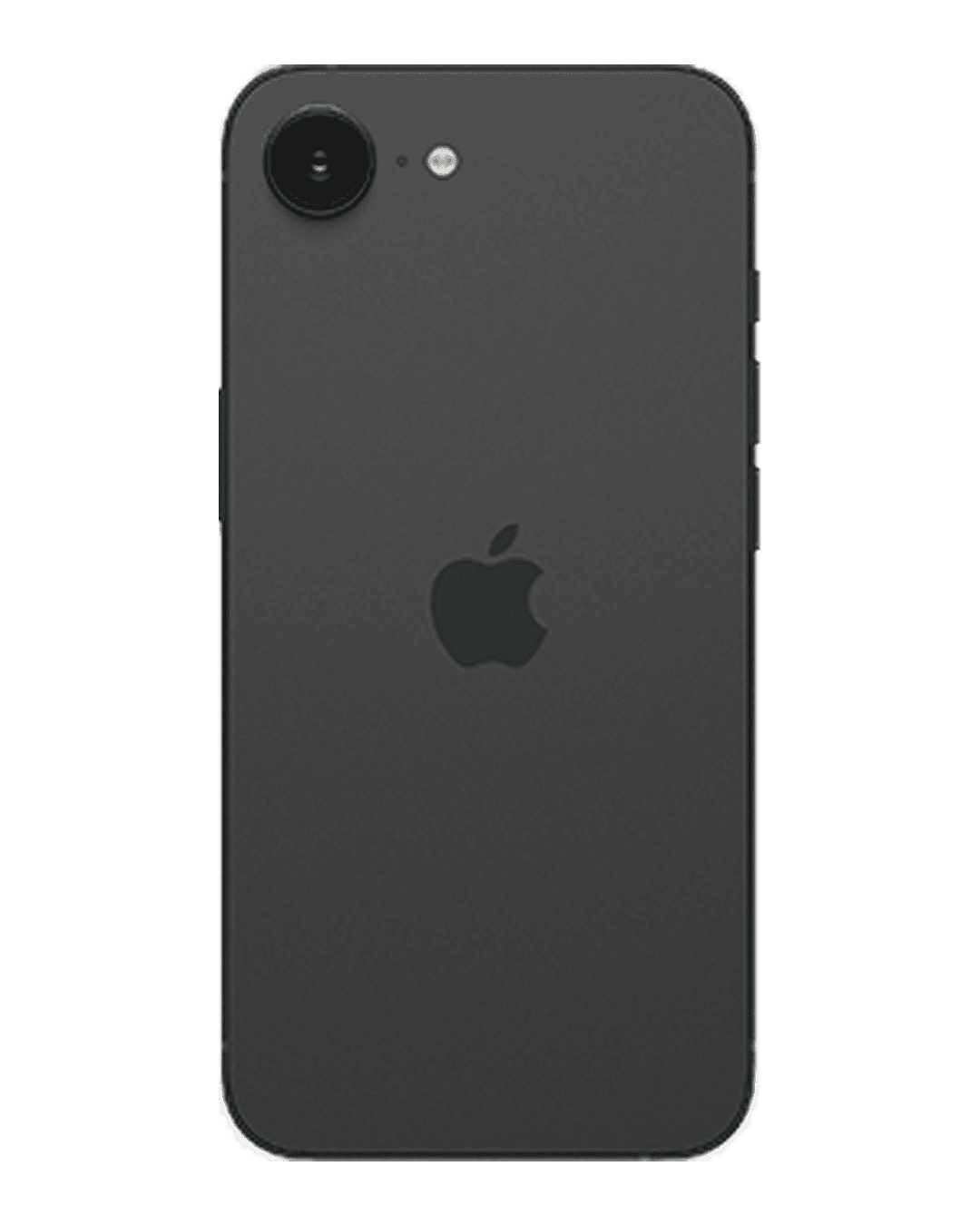
If small is the whole point, the iPhone 17e wins outright. At 146.7 x 71.5 x 7.8mm it is smaller than every other current iPhone on all three measurements, and it is the one that actually works in one hand.
What makes it a different proposition from the budget iPhones of a few years ago is what Apple put inside it. The A19 chip is the same generation as the one in the iPhone 17, the 48MP camera has an optical-quality 2x zoom, and the front of the phone is Ceramic Shield 2. It added MagSafe too, which the 16e did without, so all the magnetic chargers, wallets and car mounts work properly.
The compromise is the screen. It is a 6.1 inch OLED and a good one, but there is no ProMotion, so scrolling is not as smooth as it is on the Pro models. If you have never used a 120Hz phone you will not miss it. If you are coming from one, you will notice in the first ten minutes.
The iPhone 16e is the same size as the 17e and two grams lighter, which makes it the lightest small iPhone there is. Apple stopped selling it in March 2026, but we still have it, and it remains the cheapest way into a current-shaped iPhone. The catch is no MagSafe and a previous-generation chip.
The lightest: iPhone Air
The iPhone Air is the lightest iPhone Apple sells, at 165g. It is also, at 156.2 x 74.7mm, the tallest and widest phone in this guide. That is not a contradiction: it is light because it is 5.6mm thin, not because it is small.
Whether that counts as a small phone depends on what bothers you. If it is the weight in a jacket pocket, or the brick-like feel of a modern flagship, the Air solves your problem better than anything else Apple makes. If it is reaching the top of the screen with your thumb, it doesn’t solve it at all. Worth holding one before you decide.
The small flagship: iPhone 17 Pro and iPhone 18 Pro
Here is the quiet good news for anyone who wants a small phone without giving anything up. The Pro is 6.3 inches, and it is only about 3mm taller than the 17e. Apple no longer makes you buy the biggest phone to get the best one.
The iPhone 18 Pro is the current model, with the A20 Pro chip and up to 36 hours of video playback, the longest of any phone here. The iPhone 17 Pro is physically identical, five grams lighter, and a generation behind on the chip and the camera.
The thing to be ready for is the weight. At 206g and 211g these are the heaviest phones in this guide, roughly 40g more than the 17e. A 6.3 inch phone with a stainless camera plateau and a big battery is dense in a way the numbers do not quite convey.
The sensible middle: iPhone 16 and iPhone 17
Between the e-series and the Pro sit the standard models, and they are easy to overlook.
The iPhone 16 is a 6.1 inch phone, within a millimetre of the 17e, with the A18 chip and a two-camera system. The iPhone 17 is a little bigger at 6.3 inches but brings ProMotion to a non-Pro iPhone for the first time, along with 30 hours of video playback. If the 17e’s screen is the thing putting you off, the 17 is the cheapest way to fix it.
The iPhone 15 is still around too. Apple stopped selling it in September 2025, so anything you find now is refurbished, and ours is tested, securely wiped and covered by our 12-month guarantee. Same size as the 16, a couple of years older, and the gentlest price of anything in this guide.
So which small iPhone should you buy?
It comes down to which kind of small you mean.
- Smallest, full stop: iPhone 17e. Nothing current is physically smaller, and it no longer feels like a compromise.
- Lightest in the pocket: iPhone Air at 165g, as long as you are happy with a 6.5 inch screen.
- Small and still the best: iPhone 18 Pro, or the iPhone 17 Pro for the same body a generation back.
- Small on a budget: iPhone 16e, the lightest of the compact models and the cheapest way in.
- Best all-rounder: iPhone 17, if 6.3 inches is small enough and you want the smooth screen.
Whichever you land on, buying it SIM free and pairing it with a SIM only plan is almost always cheaper over two years than taking the handset on contract, and it leaves you free to change your mind.