


The iPhone 17 and iPhone Air offer different approaches within Apple’s latest lineup. The standard iPhone 17 delivers a reliable, well rounded experience with a solid display, capable dual cameras, and strong everyday performance. The iPhone Air introduces a sleeker, lighter design with a larger screen and the more powerful A19 Pro chip, testing how far Apple can push its form factor without sacrificing usability.
This comparison examines whether the Air’s new design can compete with the established strengths of the standard iPhone 17.
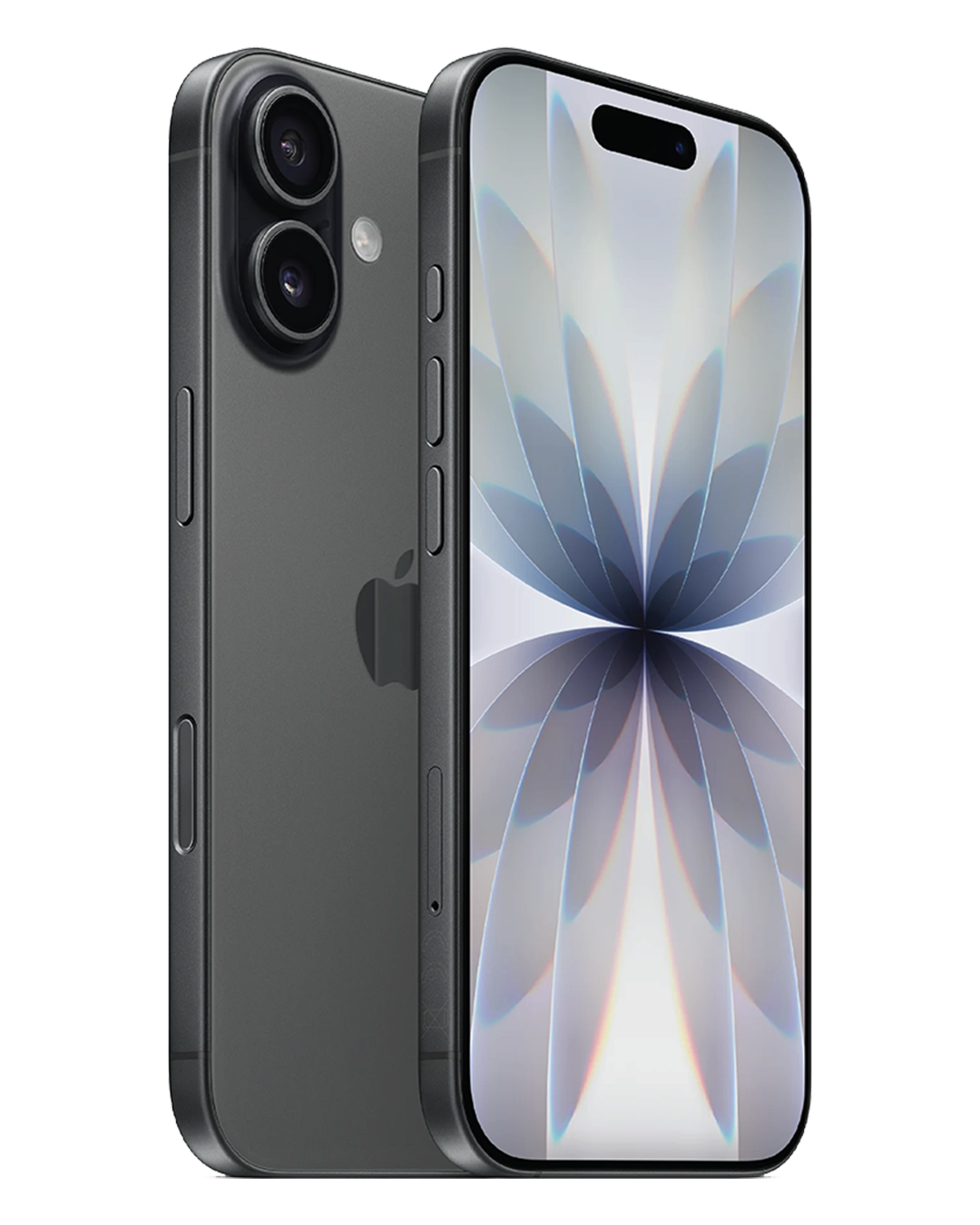
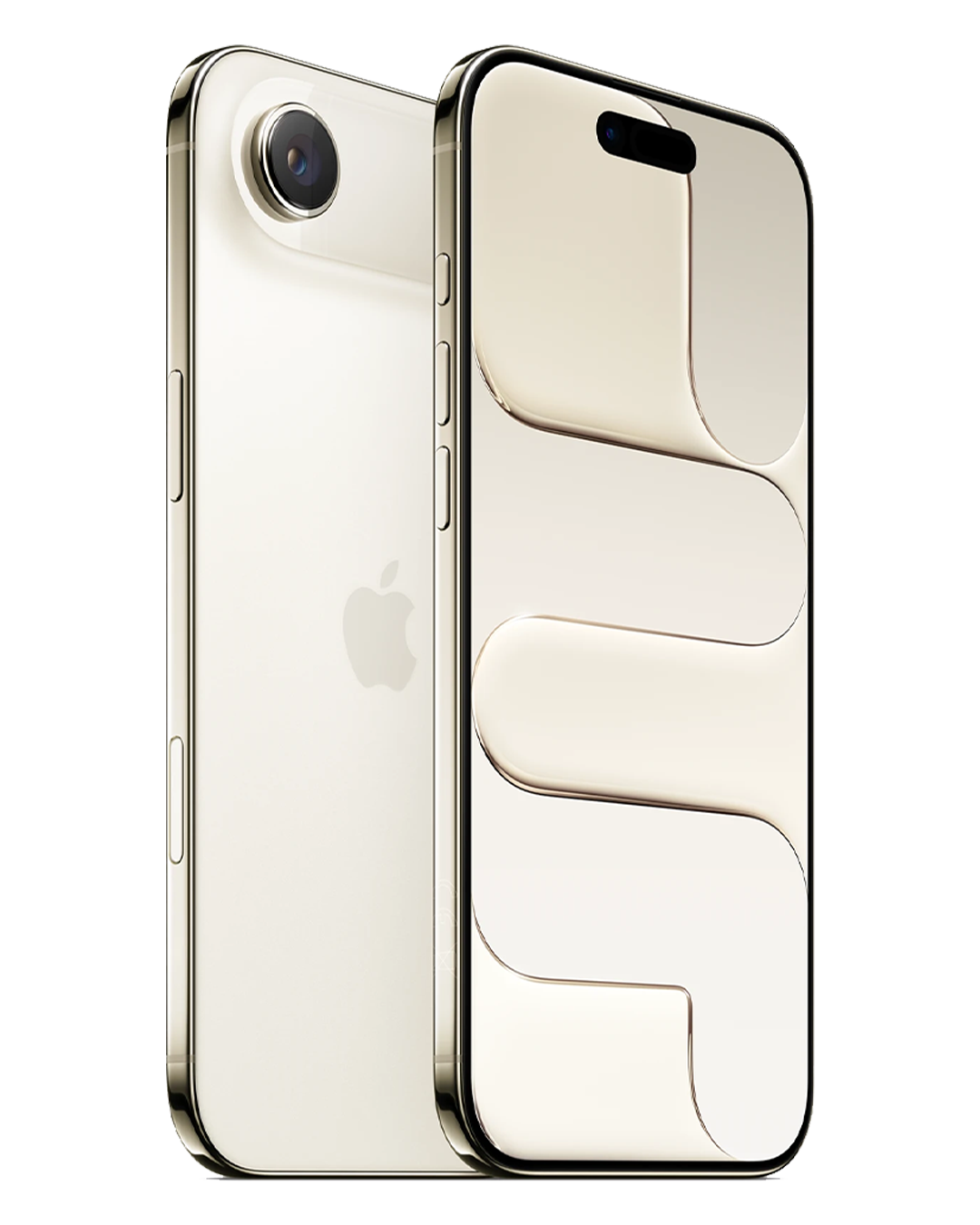
iPhone 17 vs iPhone Air – Build and Design
Both the iPhone 17 and iPhone Air are premium devices. The iPhone Air is Apple’s thinnest and lightest large iPhone to date, built with a titanium frame that contributes to its slim profile. It feels exceptionally light in hand. The standard iPhone 17 has a more traditional aluminium and glass construction that feels solid and balanced.
The iPhone Air stands out for its ultra thin and light build, while the iPhone 17 offers a more traditional feel with greater practicality.
iPhone 17 vs iPhone Air – Display
The iPhone 17 has a 6.3 inch Super Retina XDR OLED display with a 120Hz refresh rate, offering crisp colours, deep blacks and smooth motion. The iPhone 17 Air uses a 6.5 inch Super Retina XDR OLED display with the same 120Hz refresh rate, providing similar brightness and vivid visuals.
Both displays support high peak brightness, True Tone and HDR content, making them excellent for watching video, browsing and gaming. The Air’s larger screen gives more room for media and multitasking without significantly increasing overall device size.
iPhone 17 vs iPhone Air – Camera and Video
The iPhone 17 features a dual camera system with a 48MP main sensor and a 48MP ultrawide lens, along with an 18MP front camera. This setup is versatile for landscapes, close ups and video recording.
The iPhone Air uses a single 48MP rear camera. While it produces strong images, especially in good light, it lacks the ultrawide lens that expands creative possibilities on the iPhone 17. The front cameras on both models are similar in resolution and quality.
The iPhone 17 has the edge in photography due to its additional ultrawide lens.
iPhone 17 vs iPhone Air – Processor
The iPhone 17 is powered by the A19 chip, which delivers fast performance for daily tasks, gaming and apps. The iPhone Air has the A19 Pro chip, providing more advanced processing, higher memory support and stronger graphics performance for demanding applications.
The iPhone Air has a performance advantage, particularly for intensive apps and long term use.
iPhone 17 vs iPhone Air – Battery Performance
The iPhone 17 has strong battery life, capable of lasting a full day of typical use. The iPhone Air, despite its slim design, offers slightly less battery capacity but remains competitive for everyday activities. The iPhone 17 generally lasts a little longer between charges, but the iPhone Air still provides solid endurance.
iPhone 17 vs iPhone Air – Storage
The iPhone 17 offers storage options up to 512GB. The iPhone Air increases maximum capacity to 1TB, providing more flexibility for users who store large media libraries, professional content or multiple apps.
The iPhone Air offers higher top end storage, while the iPhone 17 provides ample space for everyday users.
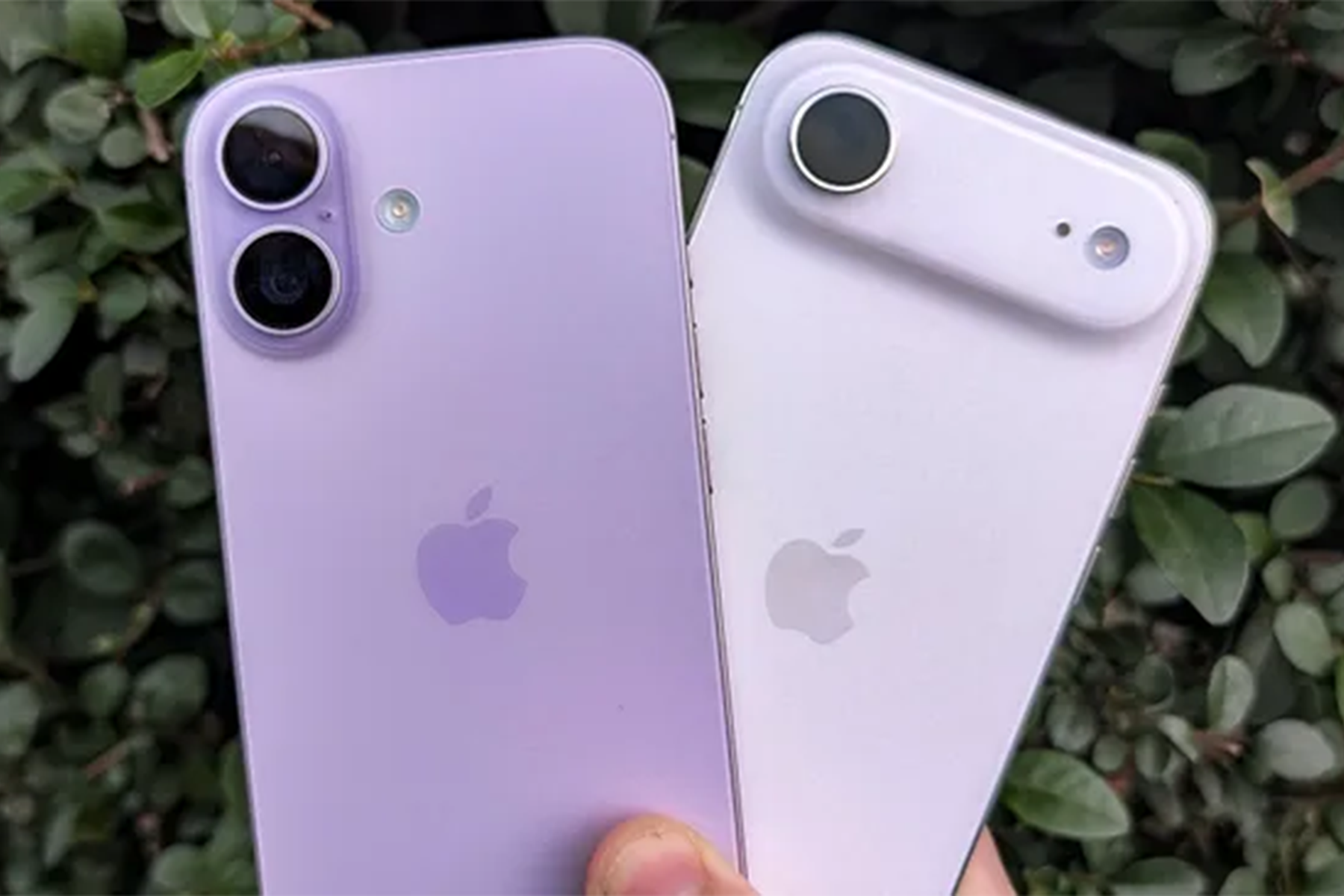
iPhone 17 vs iPhone Air – Verdict
The iPhone 17 delivers a balanced experience with a versatile camera system, strong battery life and solid performance. The iPhone Air emphasises a larger display, a slimmer design, higher performance and increased storage, while making slight compromises in camera flexibility and battery capacity.
Choose the iPhone 17 for a well rounded experience with strong photography and battery life. Opt for the iPhone Air if you prefer a larger screen, premium slim design and top tier performance with higher storage options.