


Now in 2026, the iPhone remains the centrepiece of Apple’s hardware ecosystem. With the iPhone 17 series now established, attention is already turning to what comes next. While Apple rarely provides a formal multi year roadmap, its recent product launches, software strategy and public commentary combined with consistent industry rumours offer meaningful clues about where iPhone development is headed over the next three years. This article explores the most credible expectations and emerging patterns for iPhones from 2026 through 2028, focusing on performance, camera innovation, display evolution, and on device intelligence.
2026: iPhone 18 and Refined Performance
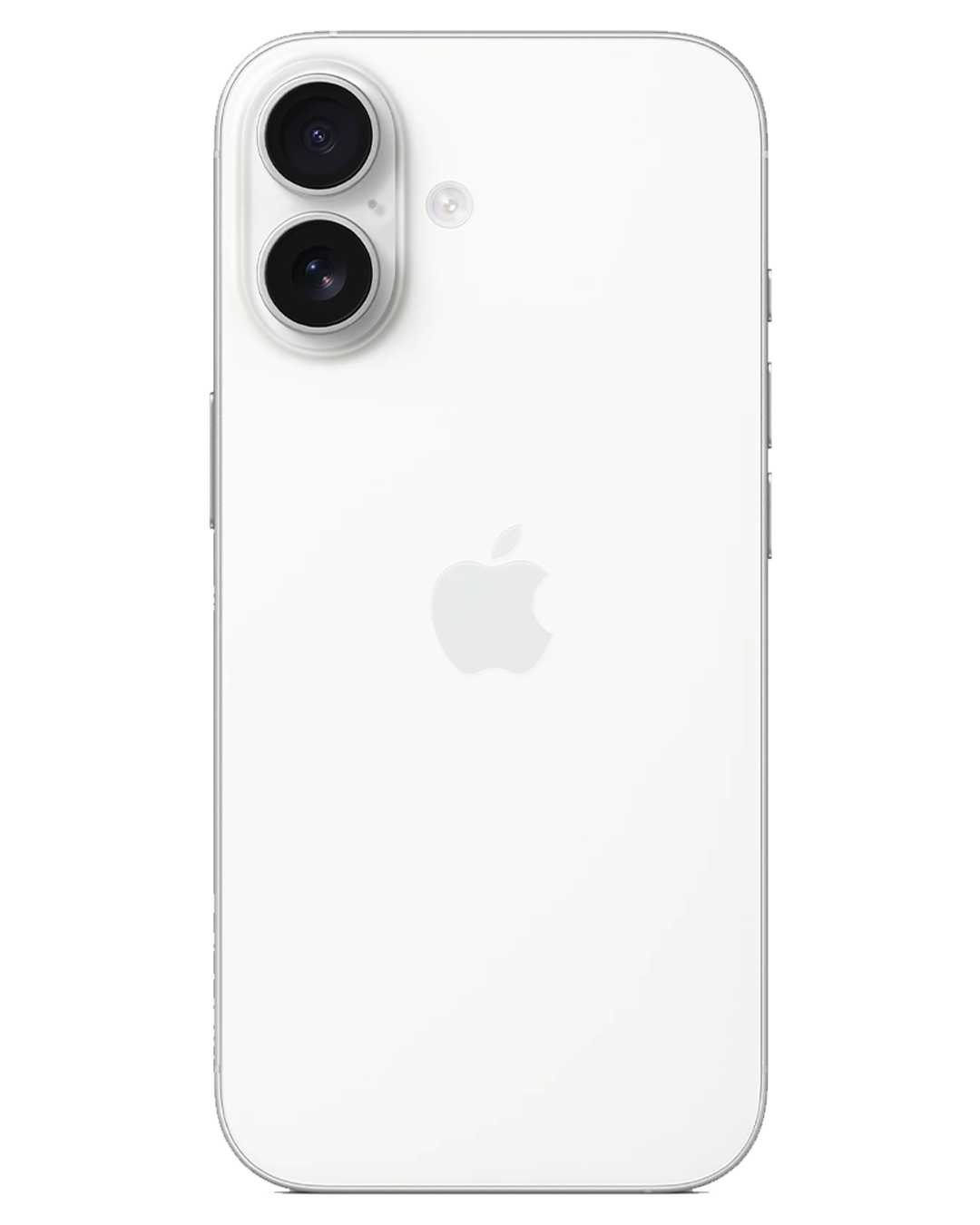
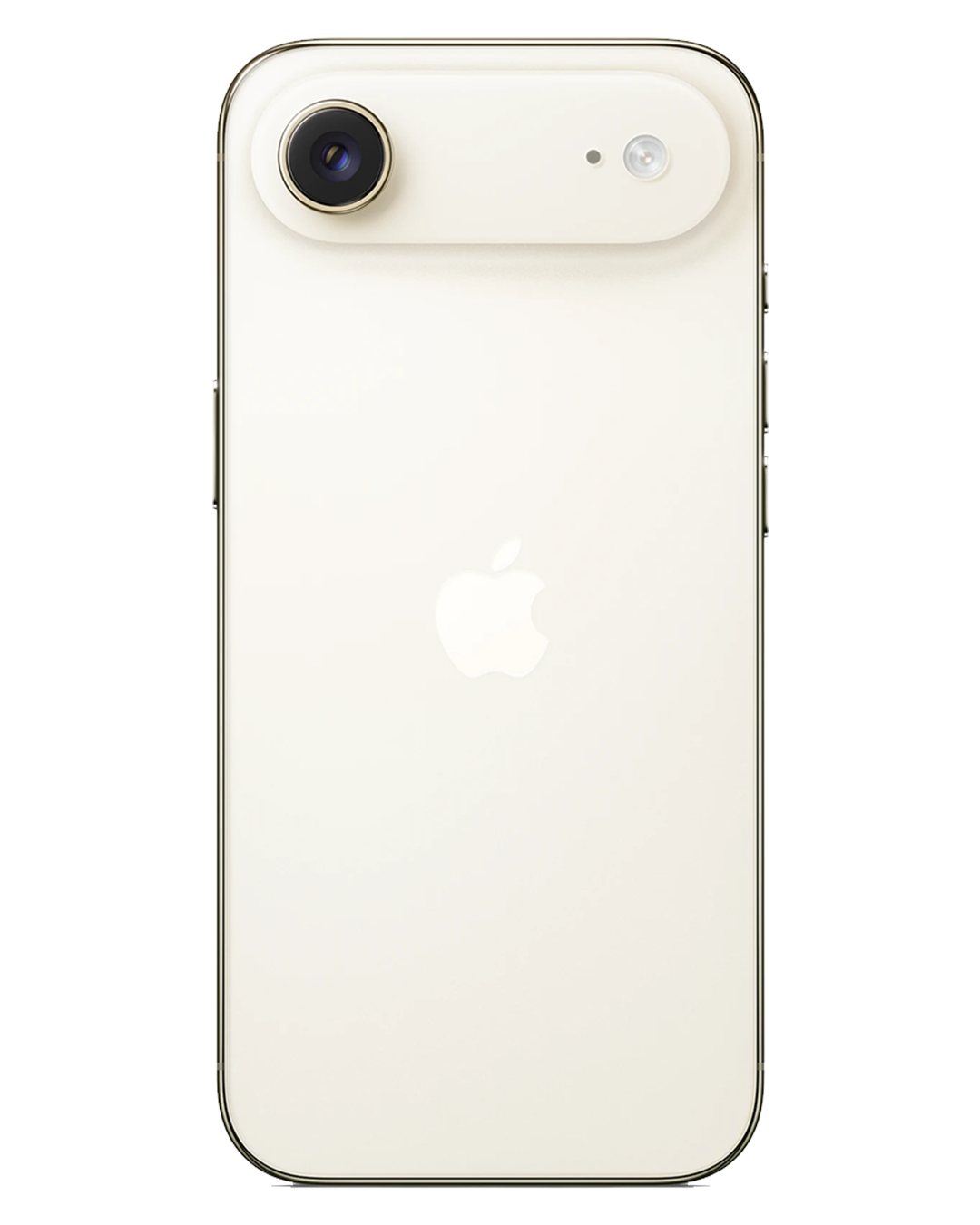
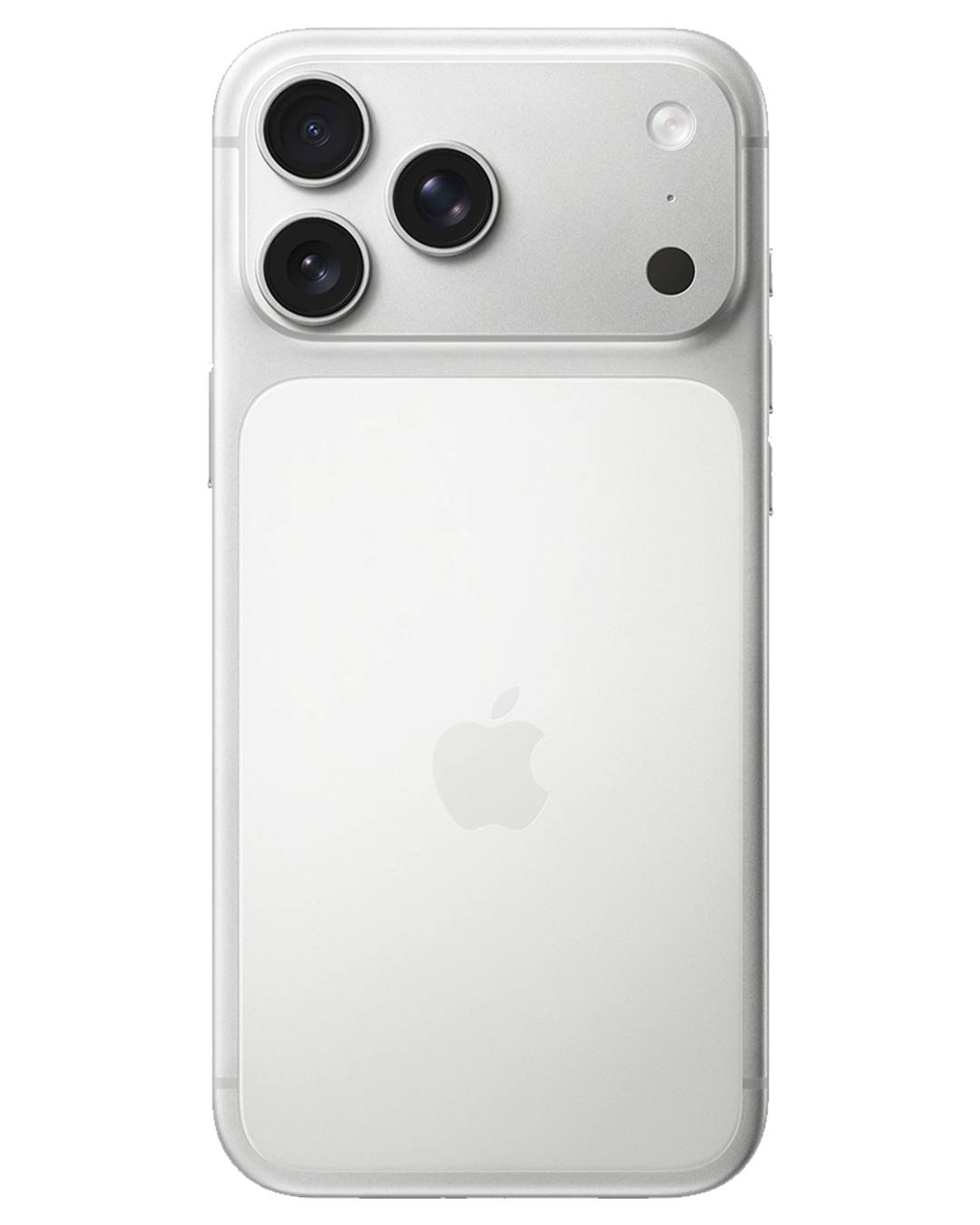
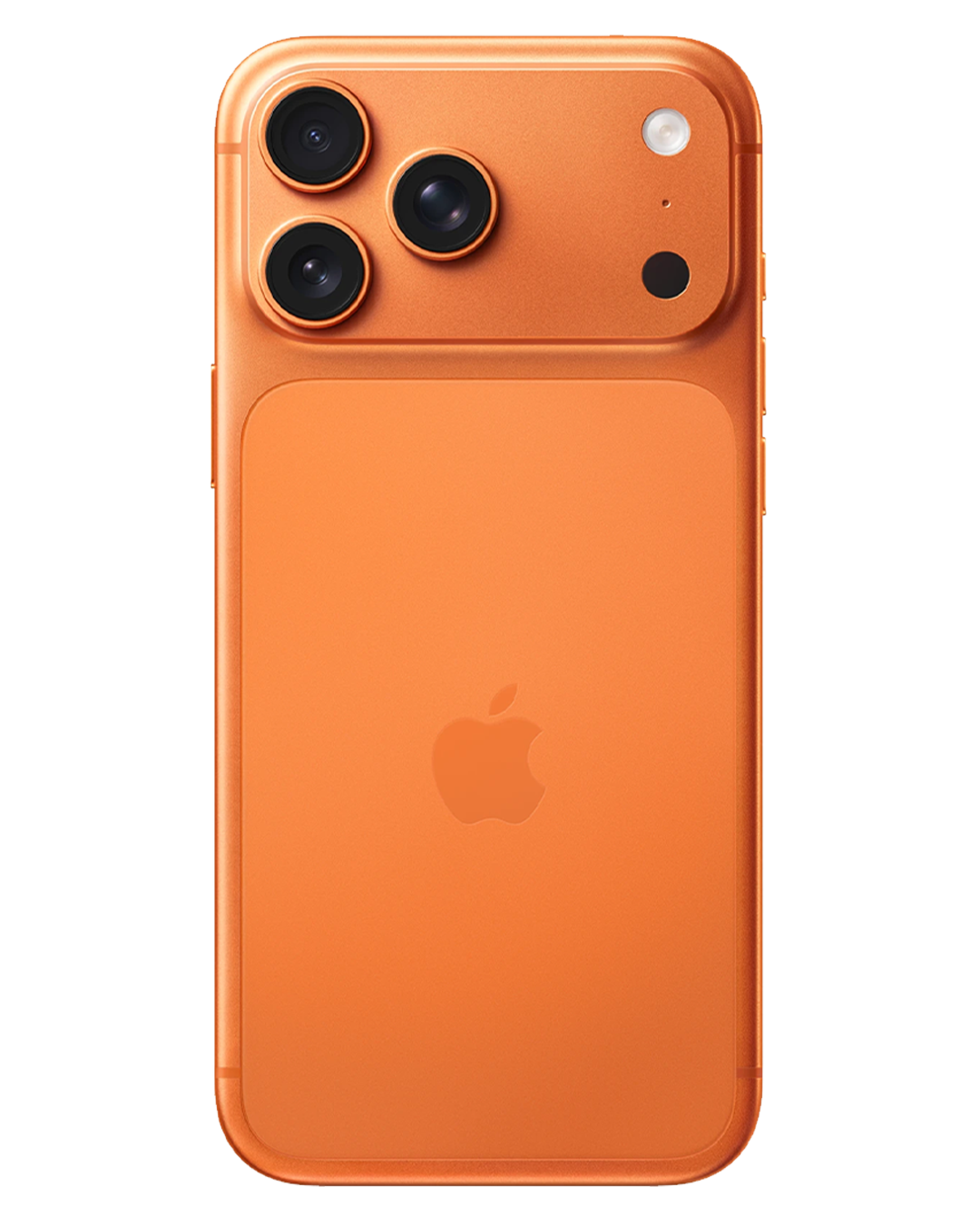
For 2026, virtually all credible industry sources point to the arrival of the iPhone 18 series, likely including a standard model, an Air like option, and Pro variants. Early supply chain signals suggest Apple will continue its strategy of incremental refinement rather than radical redesign.
What Apple is signalling:
At recent developer events and keynotes, Apple emphasised “more intelligent performance” and “seamless efficiency across the ecosystem.” While not tied to a specific product, this suggests performance and power management will remain priorities.
Rumoured areas of focus:
Battery life improvements: Leaks hint at smarter power distribution and efficiency gains through next generation Apple Silicon, supporting all day use without larger batteries.
Camera enhancements: Computational photography remains central, with analysts anticipating improved low light performance, deeper machine learning assisted processing, and better video stabilisation.
Performance gains: The new iPhone chip, likely the A22 or equivalent, is expected to boost performance while maintaining energy efficiency.
Takeaway for 2026:
Expect incremental but meaningful upgrades, making the iPhone faster, smarter, and more reliable for everyday use
2027: On-Device Intelligence and Computational Experience
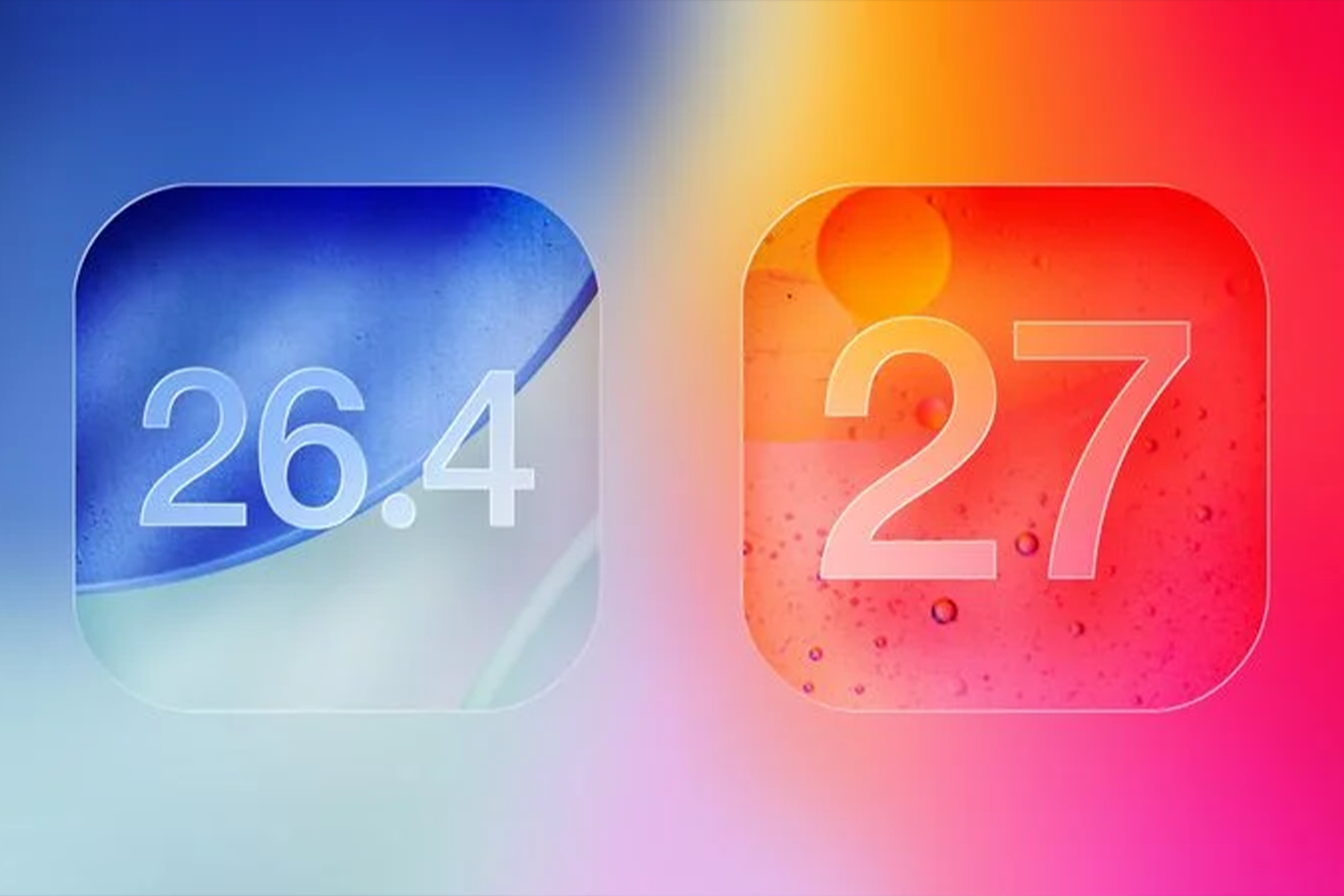
By 2027, the focus is expected to shift toward device intelligence and tighter software hardware integration. Apple has publicly emphasised privacy centric machine learning, aiming to run advanced features locally without compromising user data.
Credible expectations include:
Advanced AI features: iOS versions for 2027 models may include real time translation, smarter notifications, and contextual camera suggestions.
Smarter user assistance: Local AI could interpret habits, anticipate needs, and automate routine tasks, reflecting Apple’s privacy first approach.
Enhanced photo and video tools: Computational upgrades could optimise post processing, portrait effects, and cinematic modes beyond current capabilities.
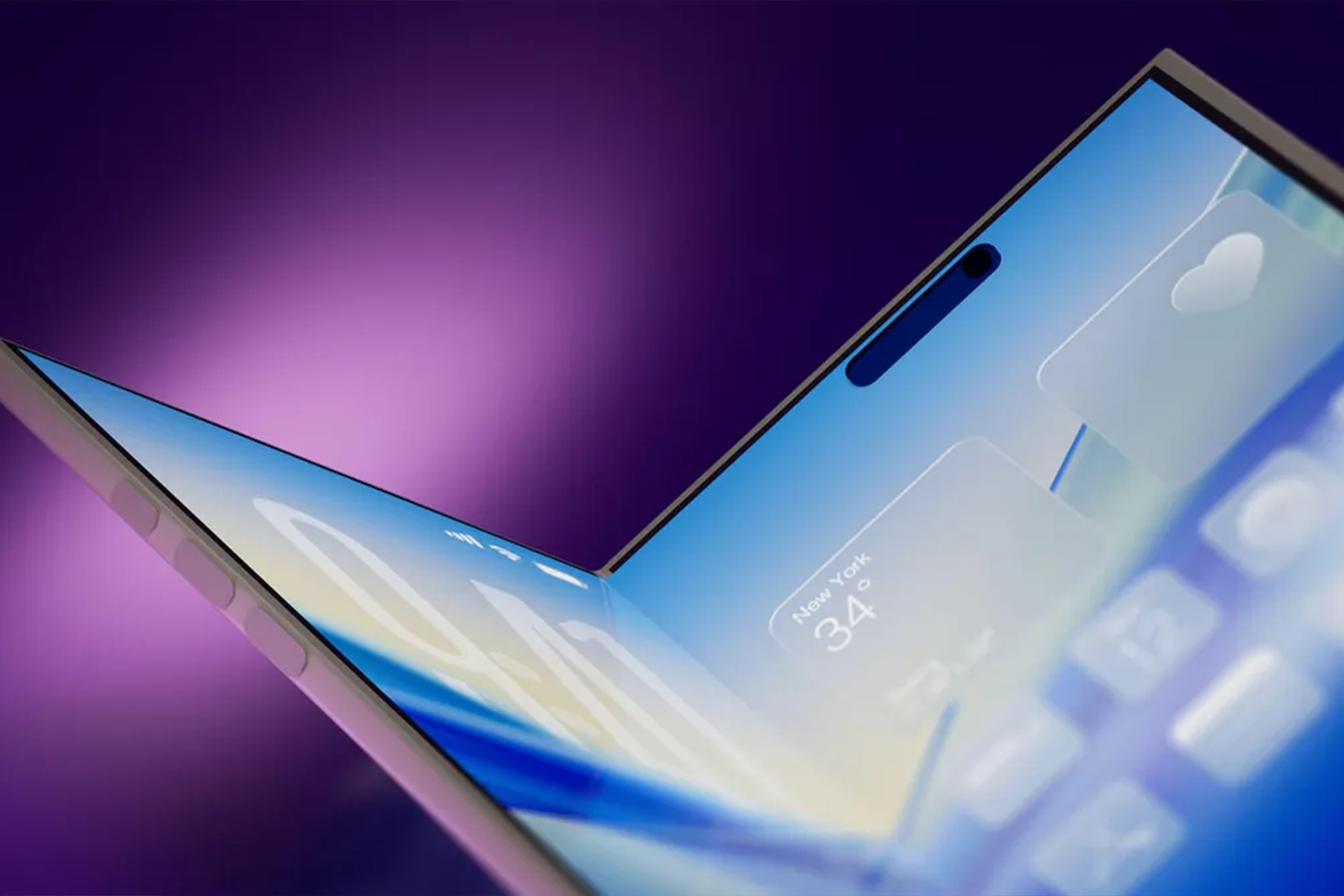
Speculative foldable iPhone:
Industry rumours and patent filings indicate Apple may be exploring foldable technology for the iPhone. While no launch is expected within 2026 – 2028, research into flexible OLED panels and hinge mechanisms suggests Apple could be laying groundwork for a future category. Any foldable device would likely emphasise durability, seamless app continuity, and practical utility, in line with Apple’s cautious, user focused approach. For now, foldables remain speculative and long term, separate from the incremental updates shaping the next three years.
Apple’s hints:
Developer sessions have emphasised creating “fluid, responsive experiences”, signalling a broader focus on display and interaction quality, which could eventually support foldable designs.
Putting It All Together
Across 2026 – 2028, the emerging iPhone roadmap centres on three overlapping themes:
2026: Refinement and efficiency, better battery performance, camera optimisation, and processor improvements.
2027: Smarter, on device intelligence and deeper machine learning integration.
2028: Display and material innovation, with long term research into foldable iPhones remaining speculative.
Apple’s philosophy remains incremental, ecosystem driven progress: enhancing day to day usability, extending battery life, and integrating intelligence, while cautiously exploring new form factors for the future.
Final Thought
From 2026 through 2028, the iPhone is likely to evolve in ways that refine and enhance user experience rather than radically reinvent it. While foldable technology hints at a potential future category, the next three years are expected to focus on smarter devices, better performance, and more immersive displays, incremental yet meaningful progress that stays true to Apple’s careful, user centered design philosophy.