
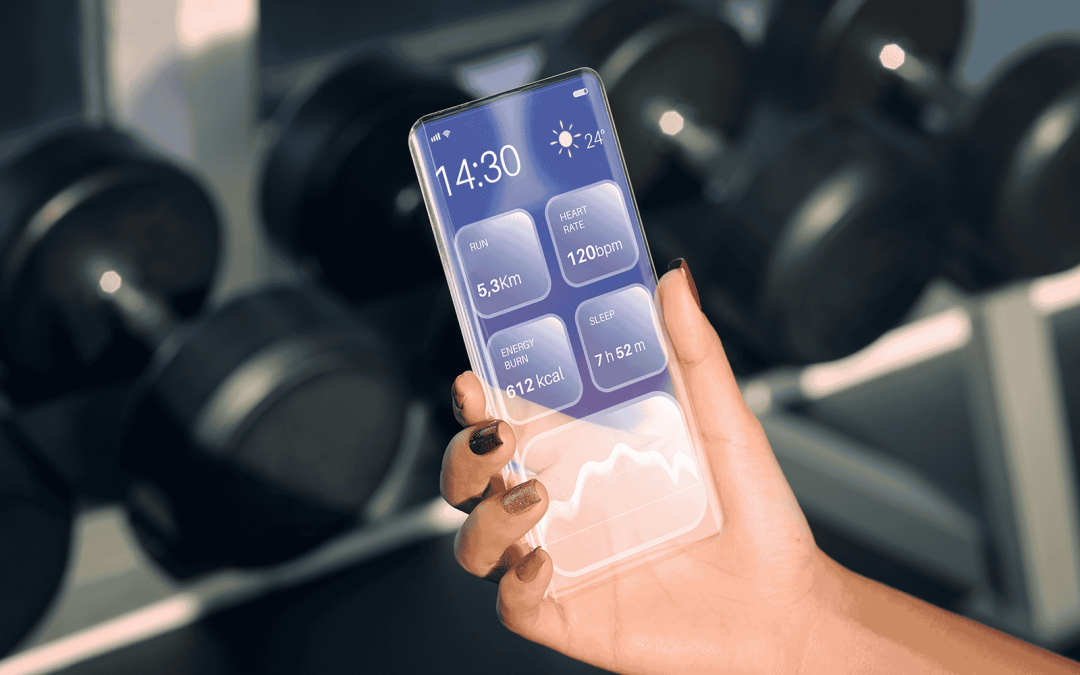
Most of us will happily spend an hour debating the best trainers or which streaming show deserves the hype, yet the device we unlock roughly 150 times a day barely gets a second thought. That feels like an oversight. Smartphones in 2026 are genuinely doing some fascinating things, and a few of the shifts happening right now are worth knowing about whether you're due an upgrade or just curious where things are headed.
Your phone is quietly becoming your most capable colleague
AI has stopped being something you have to go looking for and started being something your phone just does. Apple Intelligence is built into the iPhone 17 from the ground up, and Google Gemini sits at the heart of the Pixel 10 Pro, these aren't apps you download; they're woven into how the devices operate.
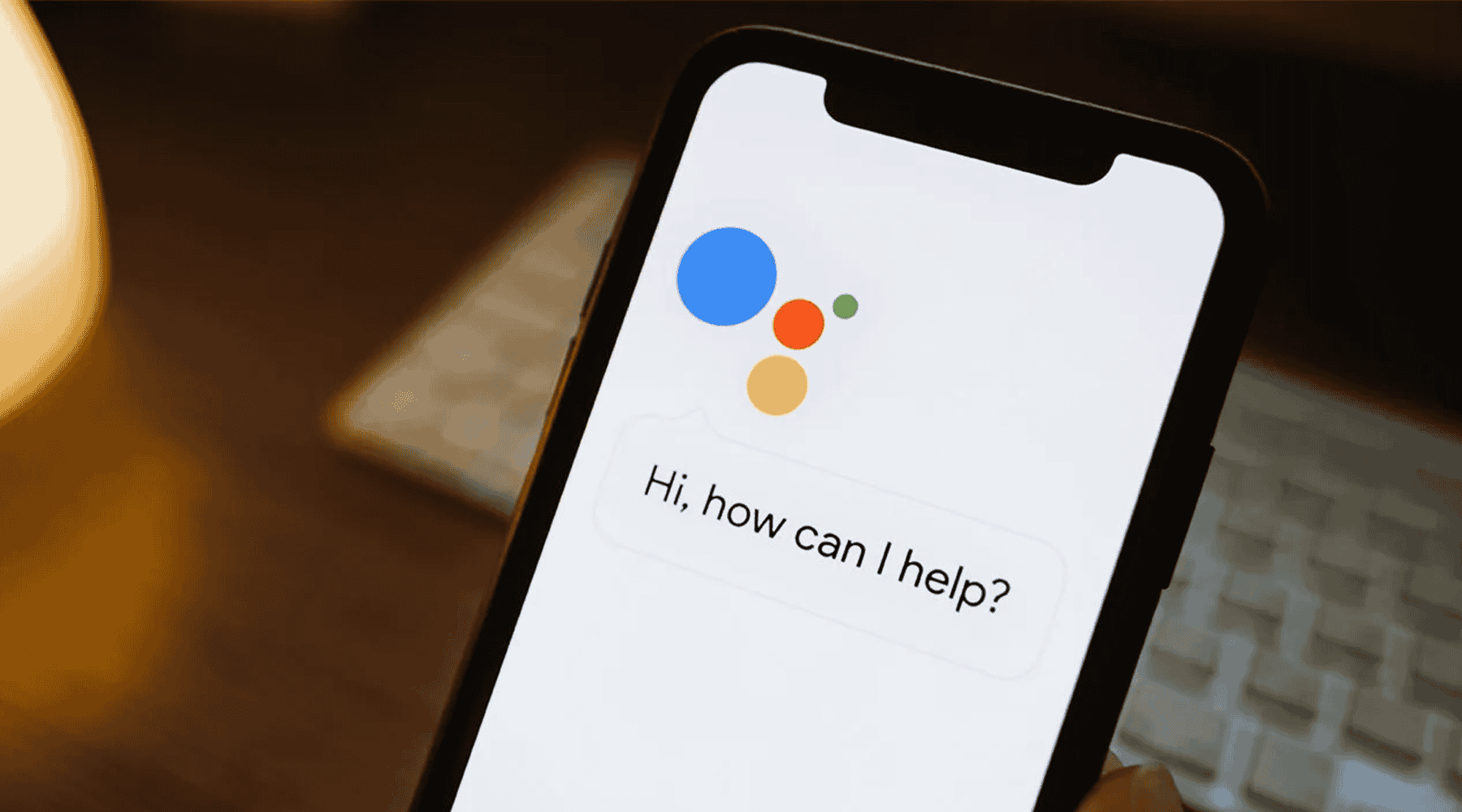
In everyday terms, that means smarter photo editing that happens almost automatically, message replies that sound like you, and search results that give you a proper answer rather than twelve links to wade through. The feature that really raises an eyebrow though is live call translation, the Galaxy S26 series and newer Pixel devices can translate a phone call in real time, as the conversation is happening. Useful if you travel. Genuinely remarkable if you stop to think about what that means.
Batteries are finally keeping up with how we use our phones
The eternal frustration of smartphones has always been the battery. Manufacturers kept making phones thinner while users kept running out of charge by 3pm, and for a long time nobody seemed to be winning.

Silicon carbon batteries are changing that equation. By using silicon anodes instead of traditional materials, they store significantly more energy in the same physical space, which means slimmer phones with longer life rather than the usual compromise between the two. The iPhone Air is probably the most talked-about example of this right now. Some devices are reaching 48 hours on a single charge. That's not a marketing stretch, it's a genuine shift in what to expect from a modern phone.
Security has gone from an afterthought to a serious engineering priority
As phones have become the place where we handle our money, our health, our work and our most personal conversations, they've also become considerably more interesting to people with bad intentions. The industry has noticed.
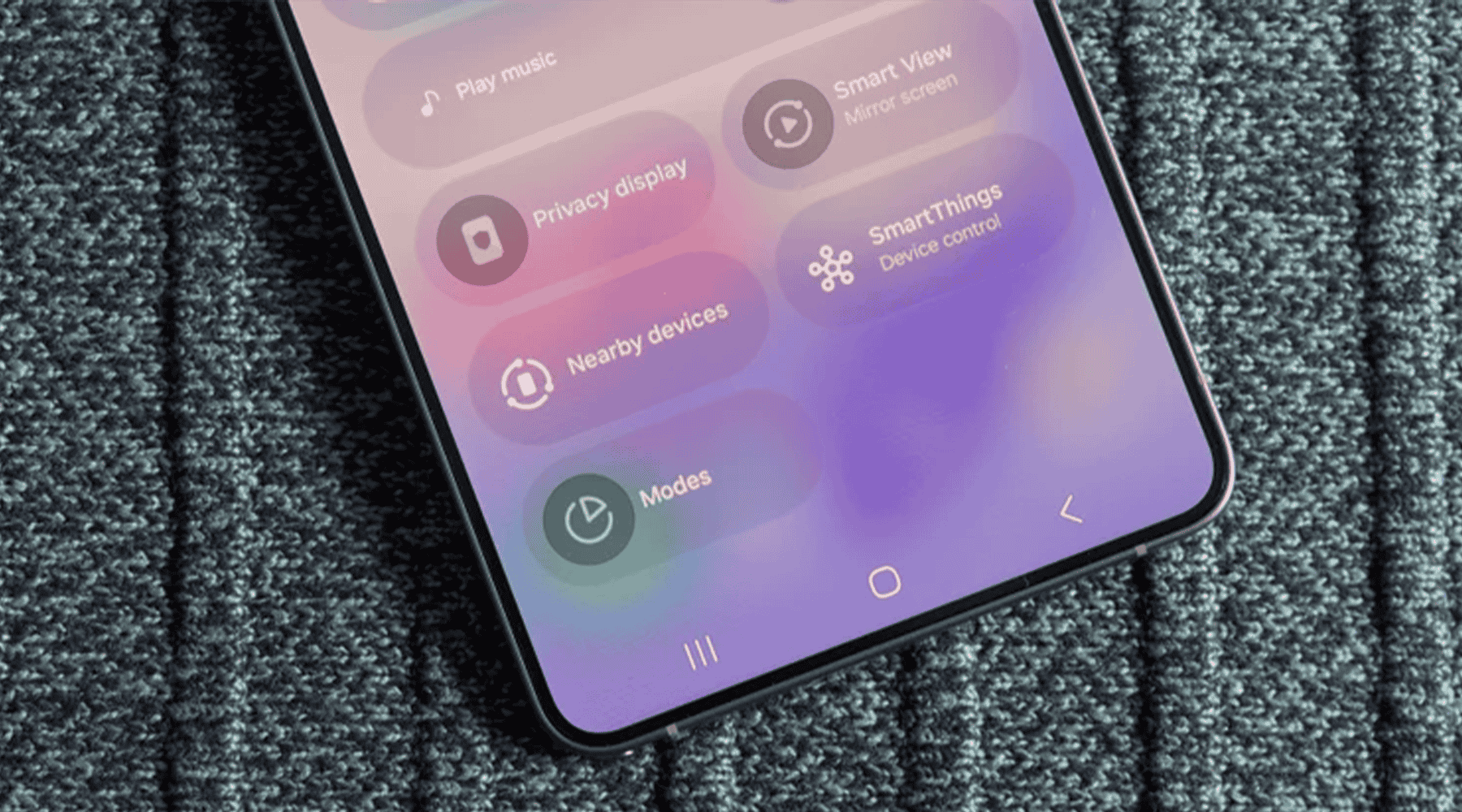
Theft detection, which automatically locks your phone if it's suddenly grabbed and moved, is now showing up across a range of devices. The iPhone 17 Pro Max goes further with something called Memory Integrity Enforcement, which isolates system memory to prevent spyware from gaining a foothold at the hardware level. This isn't the same as rolling out a security patch. It's a fundamentally different approach to how a phone protects itself, and it matters.
People are choosing to do a lot less with their phones
Here's the plot twist nobody expected: one of the most talked-about smartphone trends of 2026 involves using your smartphone less like a smartphone. The so-called dumb phone movement has picked up serious momentum, driven largely by people who've had enough of doomscrolling, notification overload and the general sense that their phone is running them rather than the other way around.

What's worth knowing is that you don't need to buy a £20 brick from a market stall to get that feeling back. Something like the Samsung Galaxy A36 can be stripped back through its own settings to work more like a simple calls-and-messages device. Sometimes the most interesting thing you can do with the latest technology is choose not to use most of it.
Foldables have stopped being the punchline and started being the point
Cast your mind back to the first wave of foldable phones and you'll remember the conversation: cool concept, questionable durability, eye-watering price, not quite ready for real life. That was a fair assessment at the time. It's less fair now.
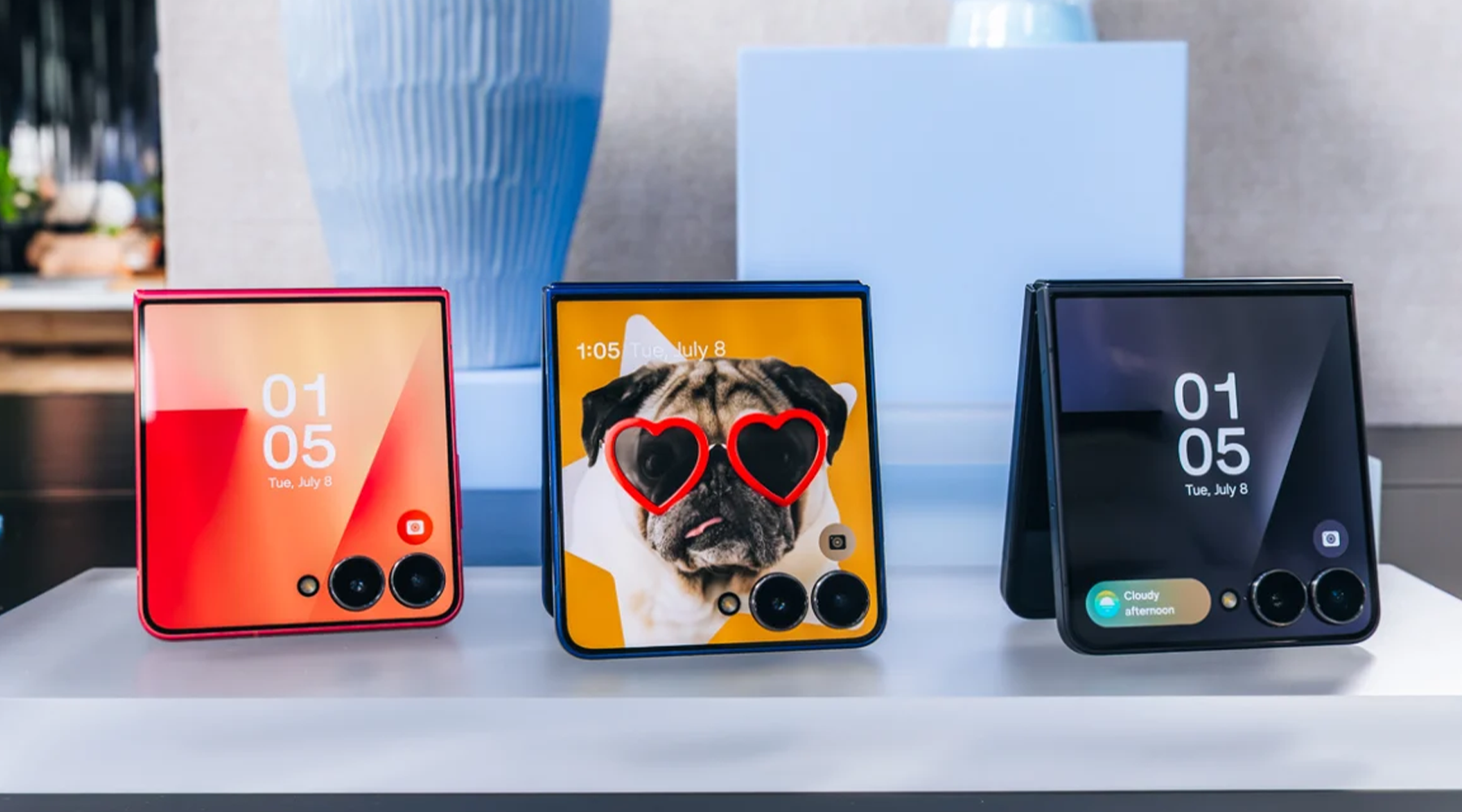
The Samsung Galaxy Z Fold 7 is a proper device, a compact phone that opens into a full tablet-sized screen when you need it, built with hinges that have clearly been through serious engineering refinement. The appeal goes beyond the admittedly enjoyable party trick of unfolding it in front of someone who hasn't seen one before. For reading, working on the go or just not wanting to carry both a phone and a tablet, the practicality case for foldables is genuinely strong in 2026.
Whichever direction appeals, there's a plan for that
The smartphone market in 2026 is pulling in more than one direction simultaneously, which is a good sign, it means there's genuine choice rather than everyone being pushed towards the same device with the same features. Whether AI integration has you excited or the idea of a simpler phone life sounds more appealing, something out there is built with you in mind.
And whatever you're carrying in your pocket, a plan you're not overpaying for makes it that much better. Have a look at what we've got and see what right for you.