15 Sep 2026
All guides 9 min read
Guide

Best camera phones

By Mozillion Team

Ask a photographer what the best camera is and they’ll say it’s the one you’ve got with you. We all carry smartphones everywhere, so it’s great that the latest ones are packing exceptional cameras. Bristling with lenses and enhanced by punchy image processing, today’s best phones deliver incredible photo and video quality, but which should you buy? Find out in our guide to the best camera phones.

A brief guide to camera features

If you’re choosing a phone for its camera, it pays to understand some of the features that make it brilliant. Before we get stuck into the best phones, we’ve pulled out some of the key terms that you’ll see mentioned in reviews and spec tables. What do they mean, and why do they matter?

Front/rear camera

Often called the selfie camera, the front camera is the one facing you from the screen. It’s usually more basic than the rear or main camera, which is the one designed for optimum photography. Some flip phones have a single camera, serving both roles depending whether the phone’s open or closed.

Sensor

The sensor is the chip that detects light focused by the lens. Physically bigger sensors collect more light, which makes them better in dark conditions. Manufacturers sometimes mention pixel size in micrometres (µm). Again, bigger is better, at least in theory.

Resolution

You’ll see phone cameras ranging from about two megapixels (2MP), up to more than 100MP. This is the number of individual points in the image they produce, so a high number can mean more detail. It can also mean more noise, though, so you won’t necessarily get a better picture from a high resolution phone.


Just to complicate things, many phone makers shrink the end image so that it’s a lower resolution than the sensor itself: 12MP is the typical output size for a 48MP camera. This ‘pixel binning’ technique reduces noise, and can improve detail compared to a photo actually taken with a 12MP sensor, but it’s not guaranteed.

Aperture

This number refers to how wide the lens’ iris can open to let light in. A smaller number means a bigger hole, which can be better when taking photos in low light. For example, an ƒ/1.5 lens opens up wider than an ƒ/2.4 lens.

Number of lenses/cameras

Older and budget phones might have a single lens on their front and rear cameras, but most modern phones have at least a dual-camera setup at the rear. Some have up to four, each with its own lens and sensor. The main point of multiple cameras is to provide a choice of lens angle, giving you more creative control over how you fill the frame.

Wide, ultra-wide, telephoto

These terms describe how wide an angle the camera can ‘see’, and how much of the scene fits into the shot. Ultra-wide lenses fit in the most, so they’re great for big group shots and indoor photography. Telephoto lenses fit in the least, so they’re great for capturing more detail from distant objects. Wide angle lenses are the default, offering a compromise between the two.

Zoom

Zoom refers to the difference between the widest wide shot, and the closest telephoto shot. If a camera has a 2X zoom, the telephoto lens makes objects look twice as big as the wide lens. Many phones add digital zoom, which helps you zoom in further at the cost of image quality.

Image stabilisation

This keeps the image steady when the phone isn’t. Many phones use optical image stabilisation, where the lens or sensor moves to counteract shake. Other phones do it digitally, which is effective, but you get a slightly lower resolution image or video when it’s enabled.

8K, 4K, 1,080p and 720p

These refer to the maximum resolution of the video you shoot, with 720p the lowest, and 8K the highest. A 4K (QHD) video has about four times the detail of 1,080p (HD), but you’ll need a 4K display to benefit from it. An 8K video contains about four times as much detail again, but few phones can shoot it, and none can display it at full resolution.

Frames per second (fps)

This is simply how many images per second a video contains. The higher the number, the more fluid the action will look when you watch it back. Movies are usually shot at 24fps, and in the UK, TV programmes are shown at 25fps. Smartphones often shoot 30fps by default, but many support 60fps. If there’s a slow-motion (slo-mo) mode, the phone may shoot up to 480fps. If this is played back at 30fps, the effect is to make the action 16 times slower.

While all these features are important, smartphones increasingly lean on image processing power to improve photos, and provide extra features like night mode. This trend towards digital enhancement is known as computational photography. The best camera phones have well-specified cameras, and great image processing.


So what’s the best camera phone for you? Check out our top picks below, or browse the best camera phone deals on Mozillion.

Apple iPhone 18 Pro Max

Apple iPhone 18 Pro Max

5 / 5

What’s great about the camera? The most capable all-round camera on any phone.

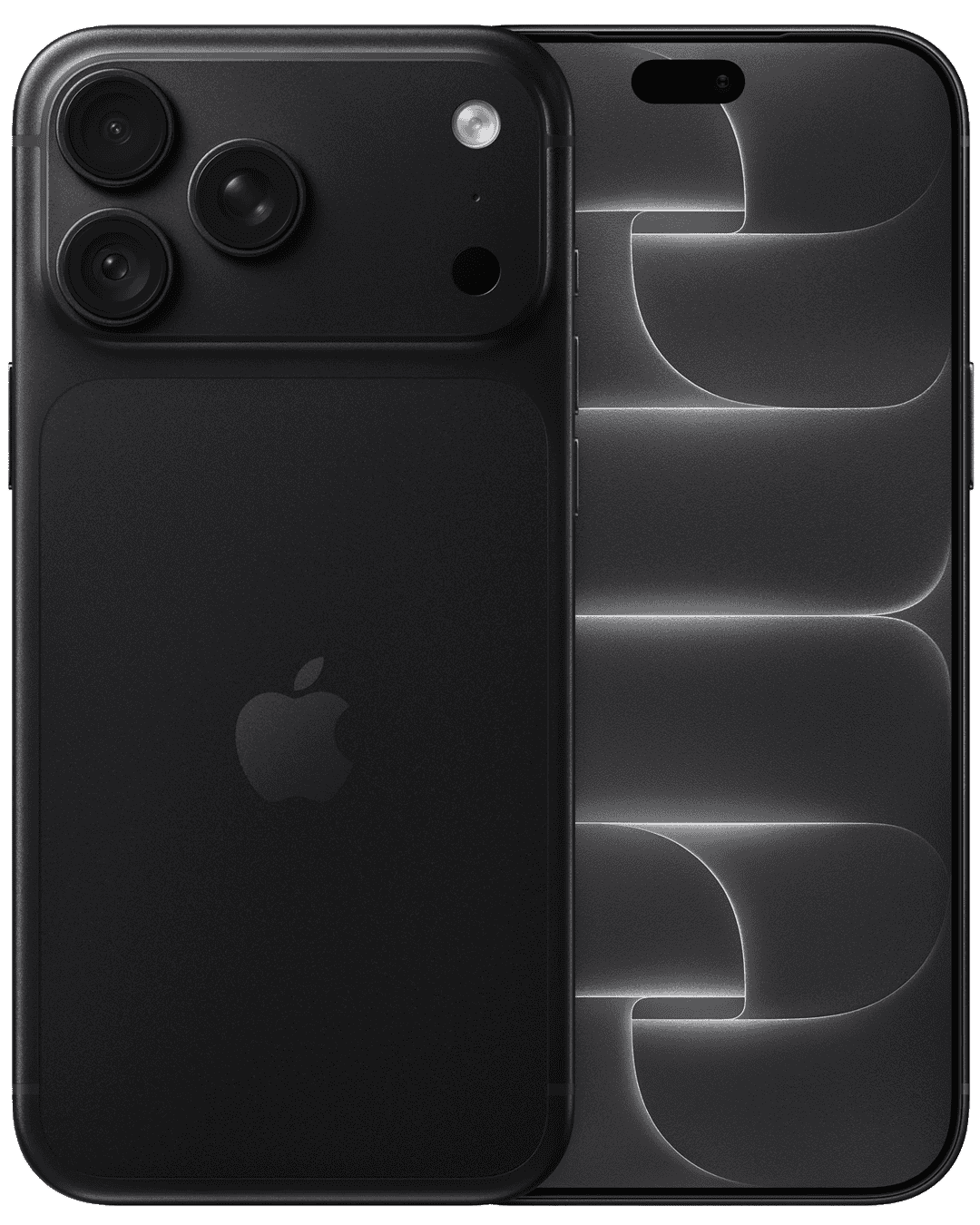
Apple’s biggest Pro is the phone to beat for sheer all-round camera quality. The triple rear system pairs large, fast sensors with Apple’s latest image processing, so it delivers superb results in almost any light, and the move to higher-resolution sensors across the system means real detail whether you shoot wide, ultra-wide or zoomed in.


Video is where it pulls further ahead. It shoots across all its lenses in 4K, supports pro formats like ProRes and Log, and the stabilisation is good enough that handheld footage looks like it was shot on a gimbal. For anyone who films as much as they photograph, nothing else is quite as complete.


It is the heaviest and priciest phone here, but if you want the best camera you can put in a pocket, this is it.

Get the iPhone 18 Pro Max on Mozillion
Samsung Galaxy S26 Ultra

Samsung Galaxy S26 Ultra

5 / 5

What’s great about the camera? A 200MP main sensor and the best zoom in the business.

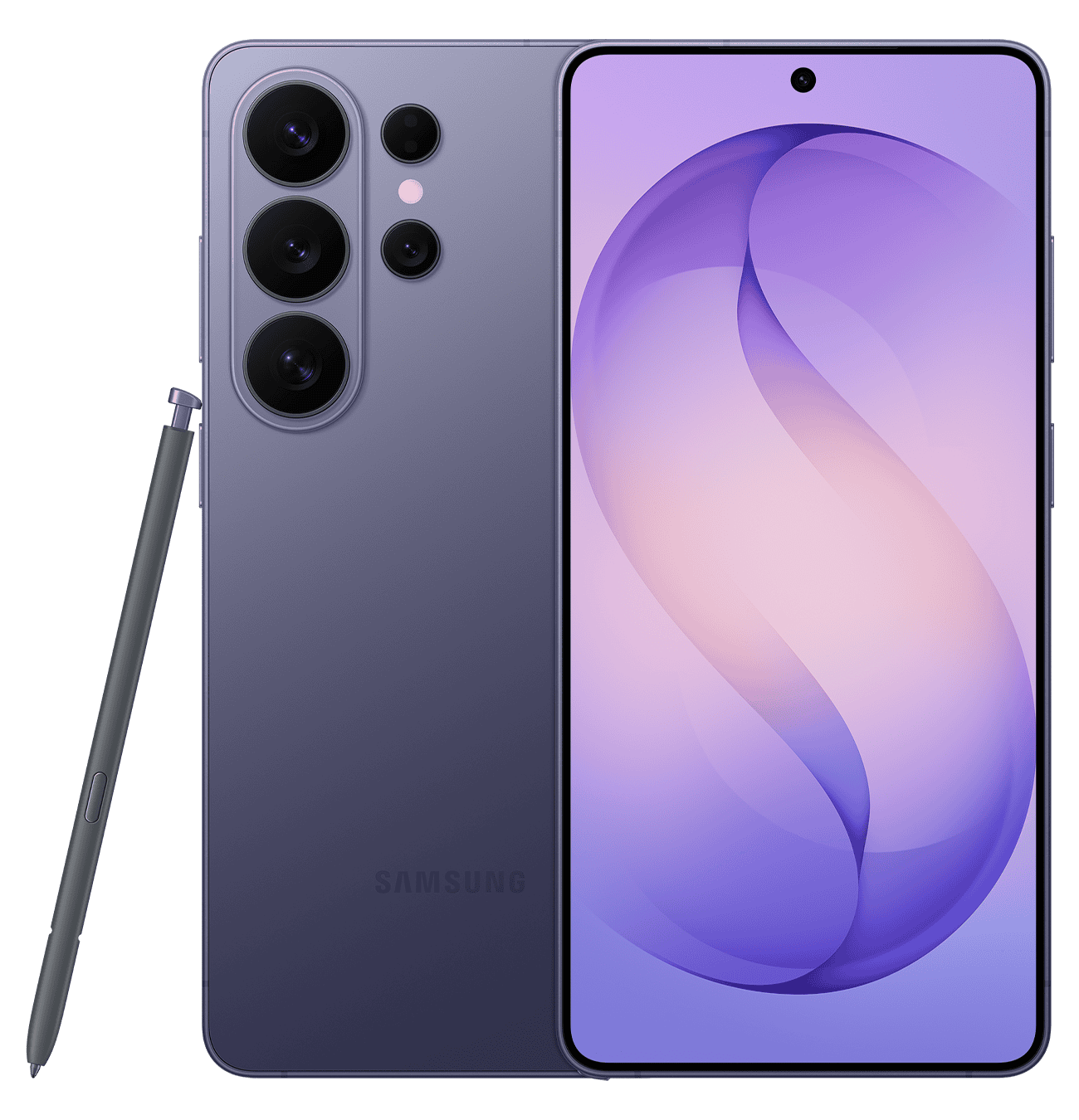
If reach matters, the Galaxy S26 Ultra is unrivalled. Its quad-camera system is led by a 200MP main sensor and backed by a long periscope telephoto, so you can zoom a very long way into a scene and still pull back usable detail, day or night.


By default it bins that huge sensor down to cleaner, lower-resolution shots with excellent dynamic range, but you can shoot at full resolution when you want every pixel. It also shoots 8K video, and the sheer flexibility of the lens line-up makes it the most versatile camera phone on Android.


It can’t quite match the iPhone for consistency in tricky mixed lighting, but for zoom and outright spec, nothing touches it.

Get the Galaxy S26 Ultra on Mozillion
Google Pixel 11 Pro XL

Google Pixel 11 Pro XL

4.5 / 5

What’s great about the camera? Google’s class-leading image processing.

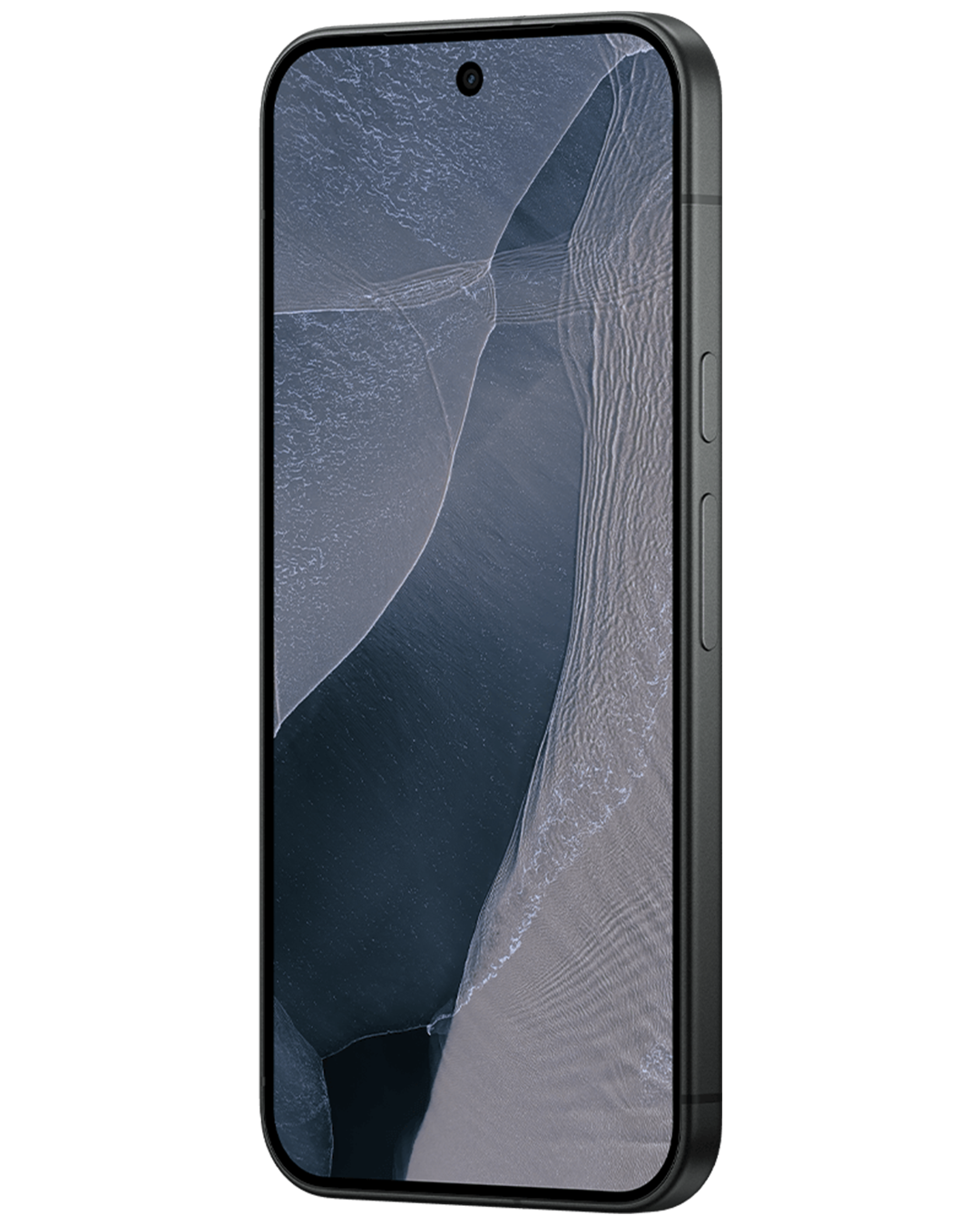
Google has always let software do the heavy lifting, and the Pixel 11 Pro XL is the best example yet. Its Tensor G6 chip powers the kind of computational photography that still sets the standard: point and shoot, and it quietly produces a beautifully balanced image, with natural colour and genuinely class-leading skin tones.


The hardware has caught up too, with a strong 50MP main sensor, a sharp ultra-wide and a proper periscope zoom. Night photography is superb, and the AI editing tools, from Magic Editor to tidying unwanted objects out of a shot, are the most useful in the business.


It won’t win every spec comparison, but for consistently brilliant photos with the least effort, the Pixel 11 Pro XL is hard to beat.

Get the Pixel 11 Pro XL on Mozillion
Apple iPhone 18 Pro

Apple iPhone 18 Pro

4.5 / 5

What’s great about the camera? The Pro Max camera in a smaller body.

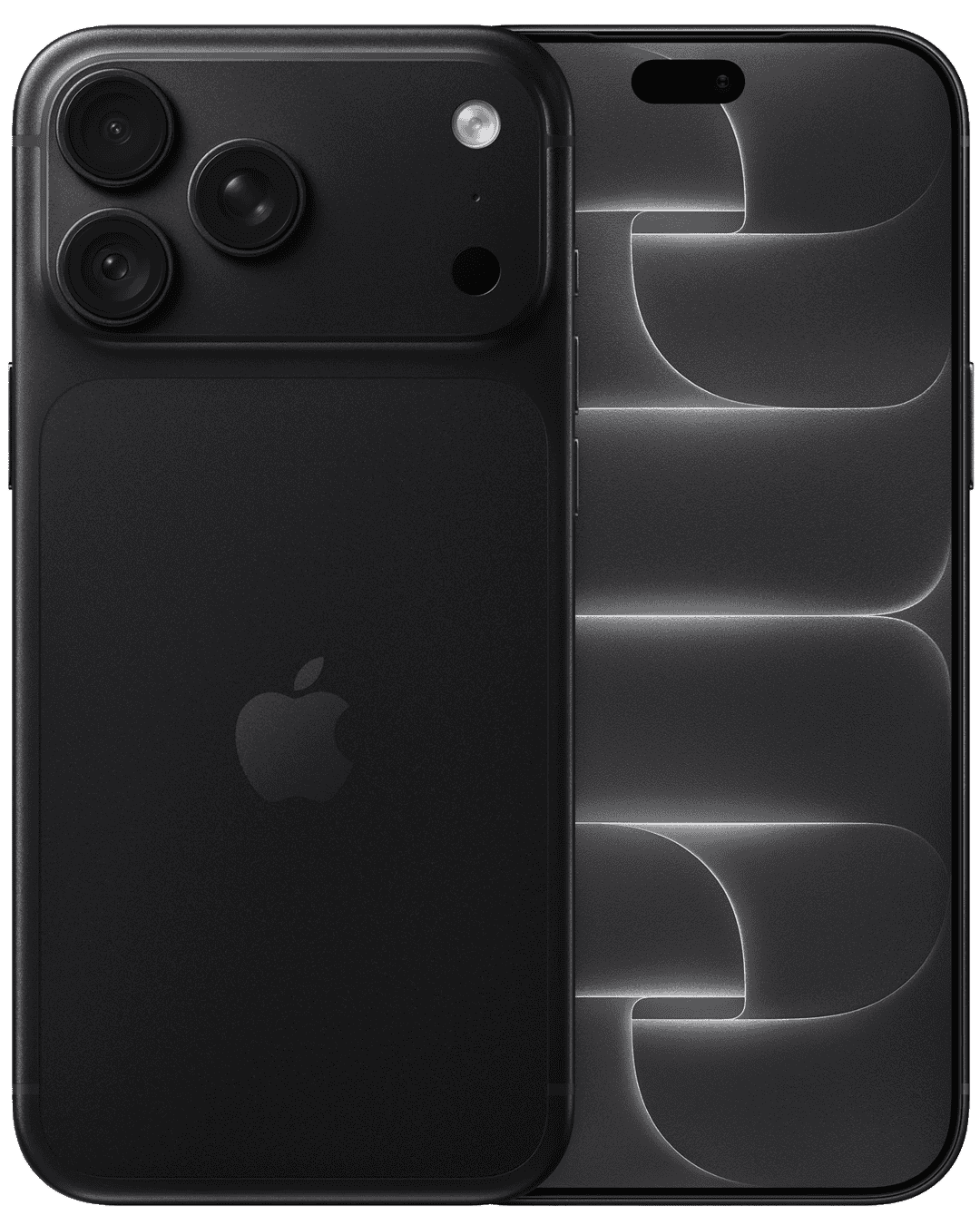
The iPhone 18 Pro gives you almost exactly the same camera system as the Pro Max in a phone that is far easier to hold and shoot one-handed. The same sensors, the same processing and the same pro video formats are all here.


The only real difference is that the bigger phone’s extra space can allow for a slightly longer zoom reach and a little more battery for long shooting days. For most people the gap is academic, and the smaller body is easier to keep steady.


If you want a top-tier iPhone camera without the Max’s size and weight, this is the one to get.

Get the iPhone 18 Pro on Mozillion
Google Pixel 11

Google Pixel 11

4.5 / 5

What’s great about the camera? Flagship Pixel photos at a mid-range price.

The standard Pixel 11 is the value champion of camera phones. It runs the same Tensor G6 chip and the same clever processing as the pricier Pro, so point-and-shoot results are excellent, and unusually for its price it includes a dedicated telephoto lens for proper zoom shots.


You miss out on the very highest-resolution sensors and some of the Pro’s zoom reach, but in good light it is hard to tell the photos apart. The same AI editing tools are here too.


If you want Pixel camera quality without paying flagship money, the Pixel 11 is the obvious pick.

Get the Pixel 11 on Mozillion
Samsung Galaxy S25 FE

Samsung Galaxy S25 FE

4 / 5

What’s great about the camera? A capable flagship-style camera for less.

Rounding things off, the Galaxy S25 FE brings a lot of Samsung’s camera know-how down to a mid-range price. Its 50MP-led system takes bright, punchy photos in the classic Samsung style, with a useful ultra-wide and solid everyday video.


It can’t match the Ultra’s zoom or the Pixel’s processing, but for the money it is a genuinely capable shooter, and the big, bright screen makes a lovely viewfinder.


If you want a dependable camera phone without spending flagship money, especially refurbished, the S25 FE is great value.

Get the Galaxy S25 FE on Mozillion

Picture perfect

Find your best camera phone at Mozillion

Shop the top camera phones, refurbished and brand new, and pay less.

Shop camera phones
Mozillion Apple Samsung Google Guides

Related Posts

Apple iPhone X review

Apple iPhone X review

The iPhone X ushered in a new era of iPhone design, making everything that came before it look dated. Its huge screen and updated features made it a sensation - but that was four years ago. Is it still worth buying today? Read our review.

Team 07 Aug 2026
Apple iPhone 8 Plus review

Apple iPhone 8 Plus review

The iPhone 8 Plus was the last big iPhone with bezels above and below the screen. It’s better than an iPhone 8 or an iPhone 7 Plus, but it is getting on a bit. Today it’s comparatively cheap, but does that mean you should buy one? Read our iPhone 8 Plus review.

Team 07 Aug 2026
Apple iPhone XS Max review

Apple iPhone XS Max review

The iPhone XS Max was Apple’s first plus-sized flagship phone since the design changes introduced with the iPhone X. It’s a big, beautiful slab of a phone - but is it worth buying now it’s three generations old? Read our iPhone XS Max review.

Team 07 Aug 2026