
Price: £541.00 (128GB) | £790.00 (256GB) | £999.00 (512GB)
Buy for less on Mozillion
Mozillion rating:
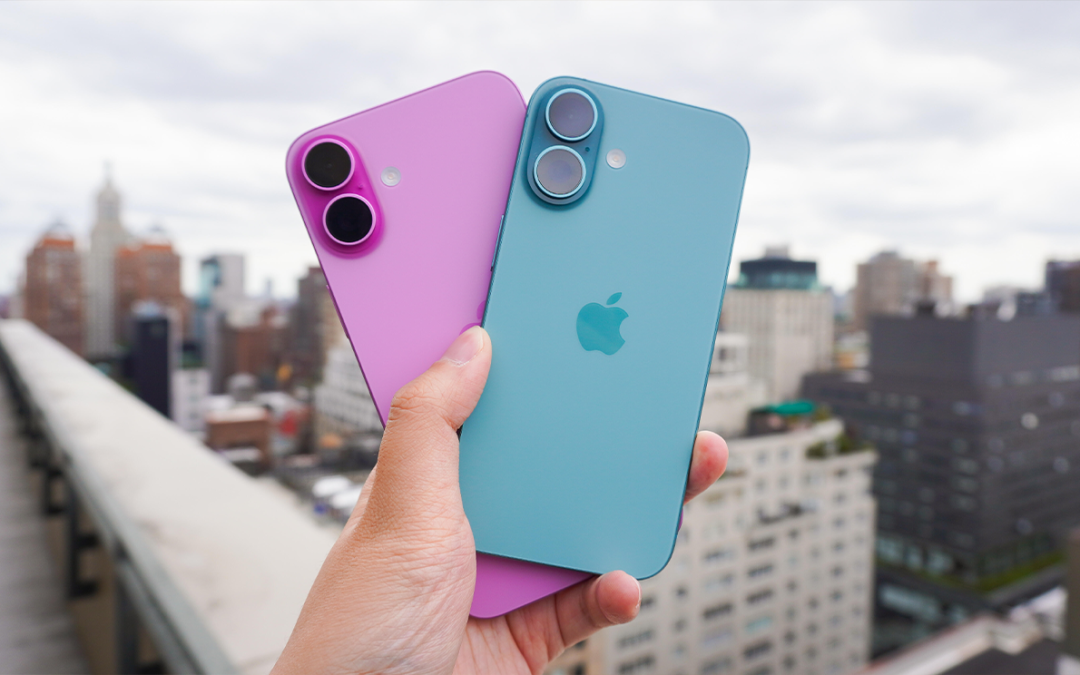
Apple rarely strays from a formula that works, and the iPhone 16 continues that tradition. Building on the iPhone 15’s strengths, it offers thoughtful upgrades in camera performance, processing power, and battery life. With the gap between the standard and Pro models wider than ever, the question is whether the iPhone 16 is enough for most users, or if it’s worth stepping up to the Pro or Pro Max. In this review, we’ll break down every detail to help you decide.
Pros
- Sleek and durable design
- Improved camera and video features
- A18 Bionic chip delivers excellent performance
- Longer battery life than iPhone 15
Cons
- Standard iPhone 16 lacks Pro-level features
- More expensive than the iPhone 15
iPhone 16 – Overview
Apple doesn’t like to reinvent the wheel, and the iPhone 16 continues that philosophy. Compared to the iPhone 15, it’s an evolutionary update rather than a revolutionary one. On the surface, the design looks familiar, the display is similar, and the notch for the front-facing camera remains, albeit slightly smaller.
Dig deeper, however, and you’ll find meaningful upgrades. The iPhone 16 comes with Apple’s A18 Bionic chip, offering faster CPU and GPU performance and greater efficiency. The camera system has been refined with bigger sensors and improved low-light capabilities. Battery life has also been extended, and the Pro models now offer a 120Hz ProMotion display for buttery-smooth scrolling and animation.
While the gap between the standard iPhone 16 and the Pro models has widened, the iPhone 16 remains a very capable device. For most users, it’s more than sufficient for day-to-day tasks, gaming, and photography, but those wanting maximum performance and camera versatility may prefer the Pro or Pro Max.
iPhone 16 – Design
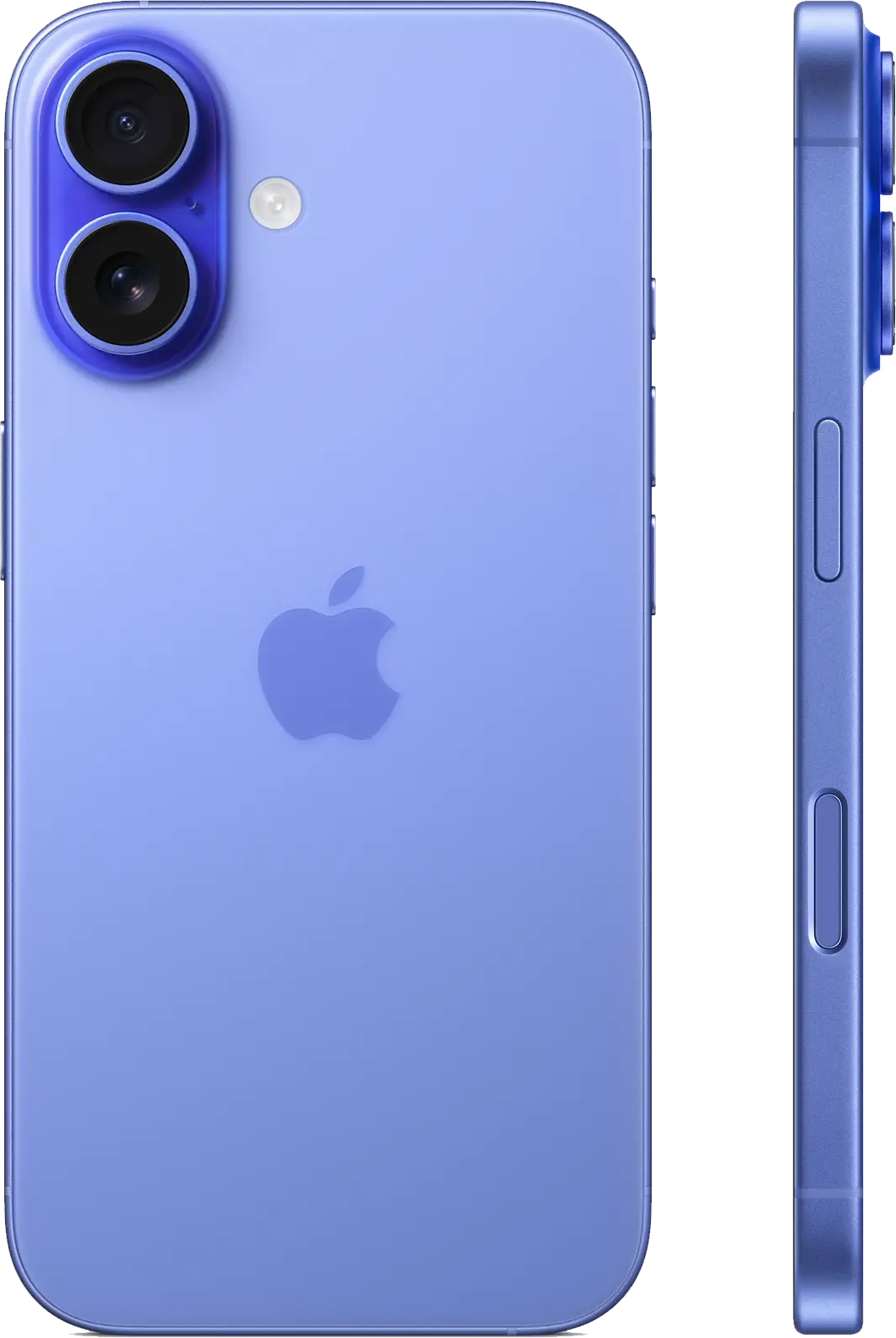
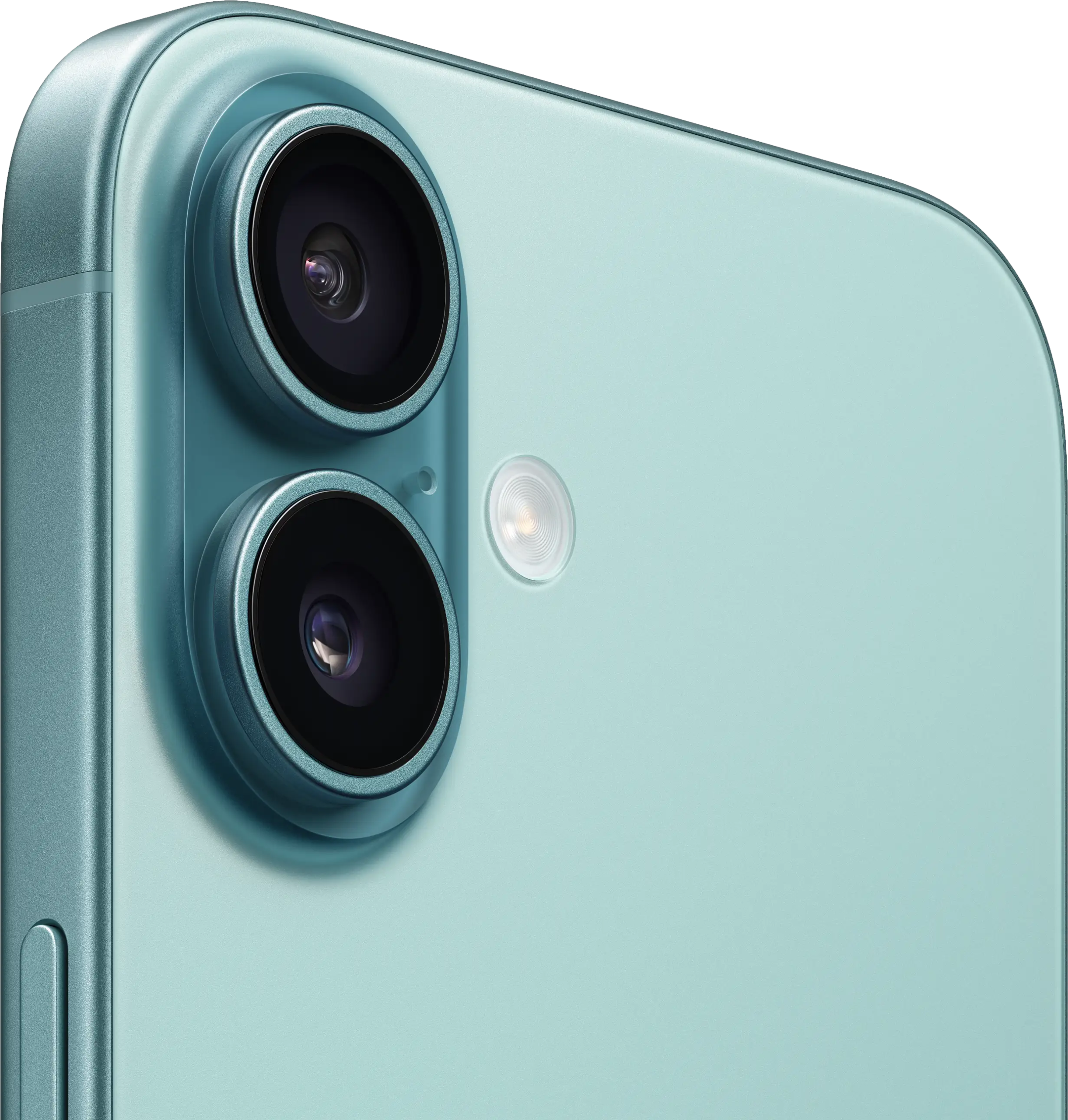
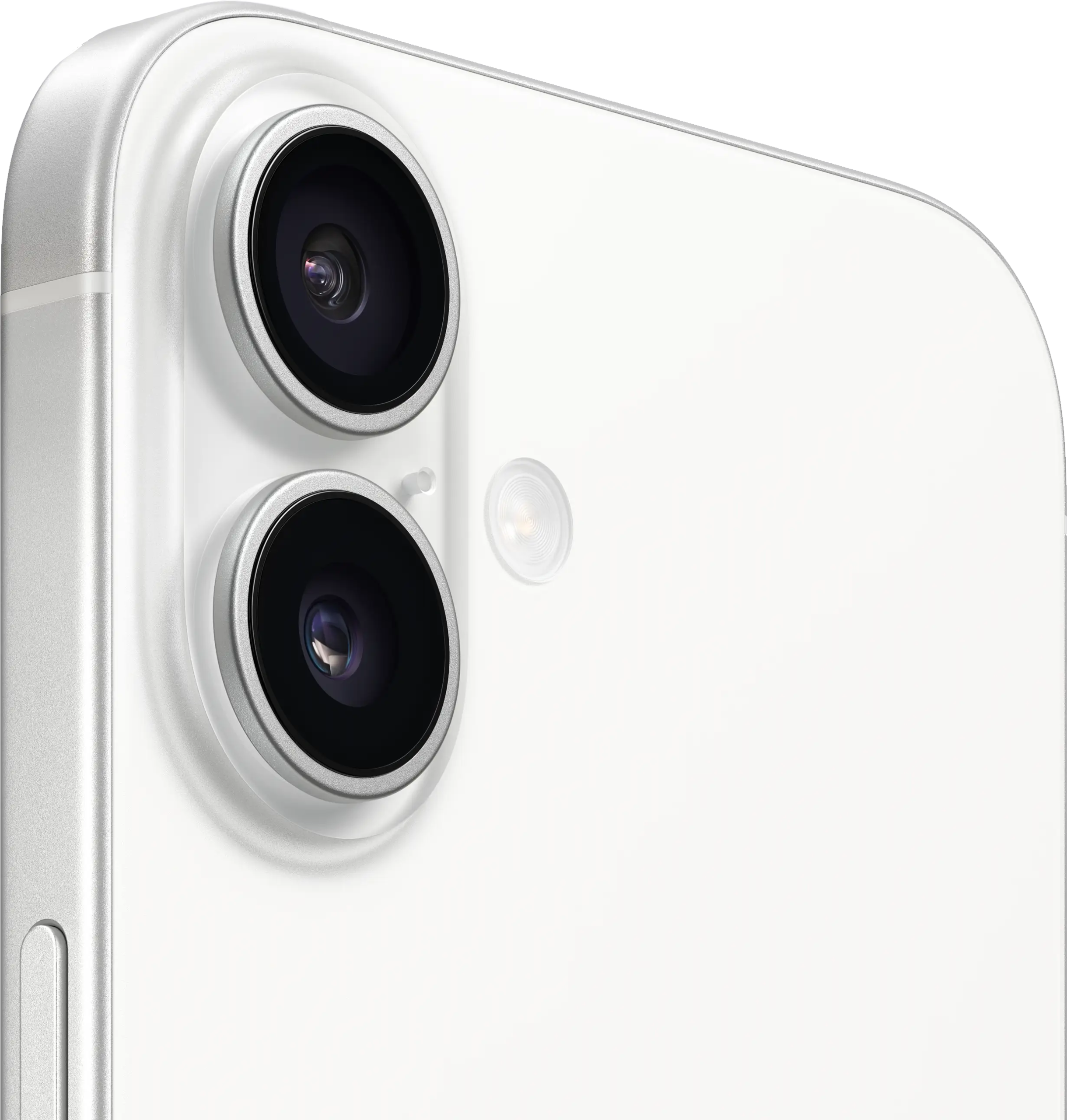
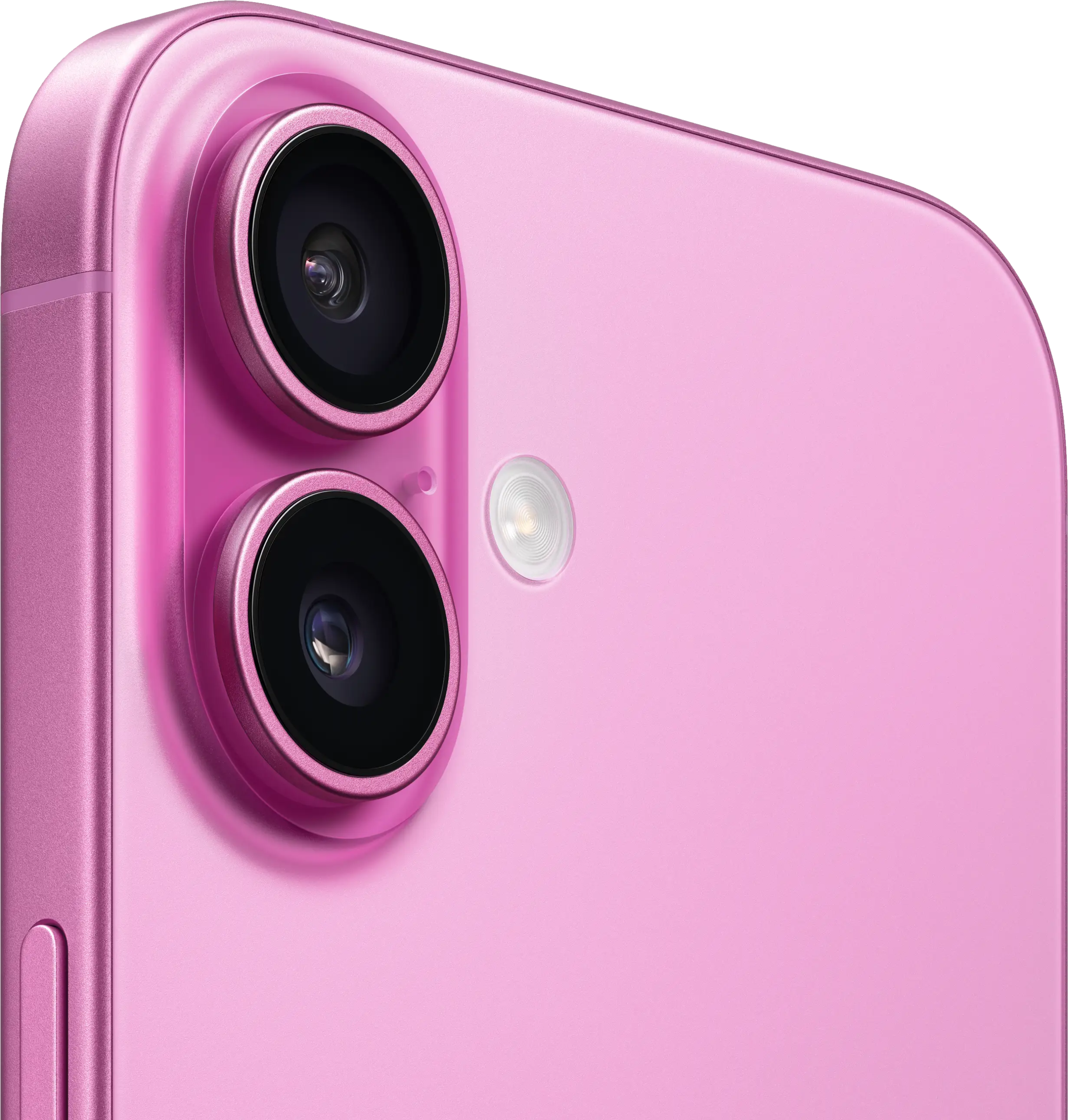
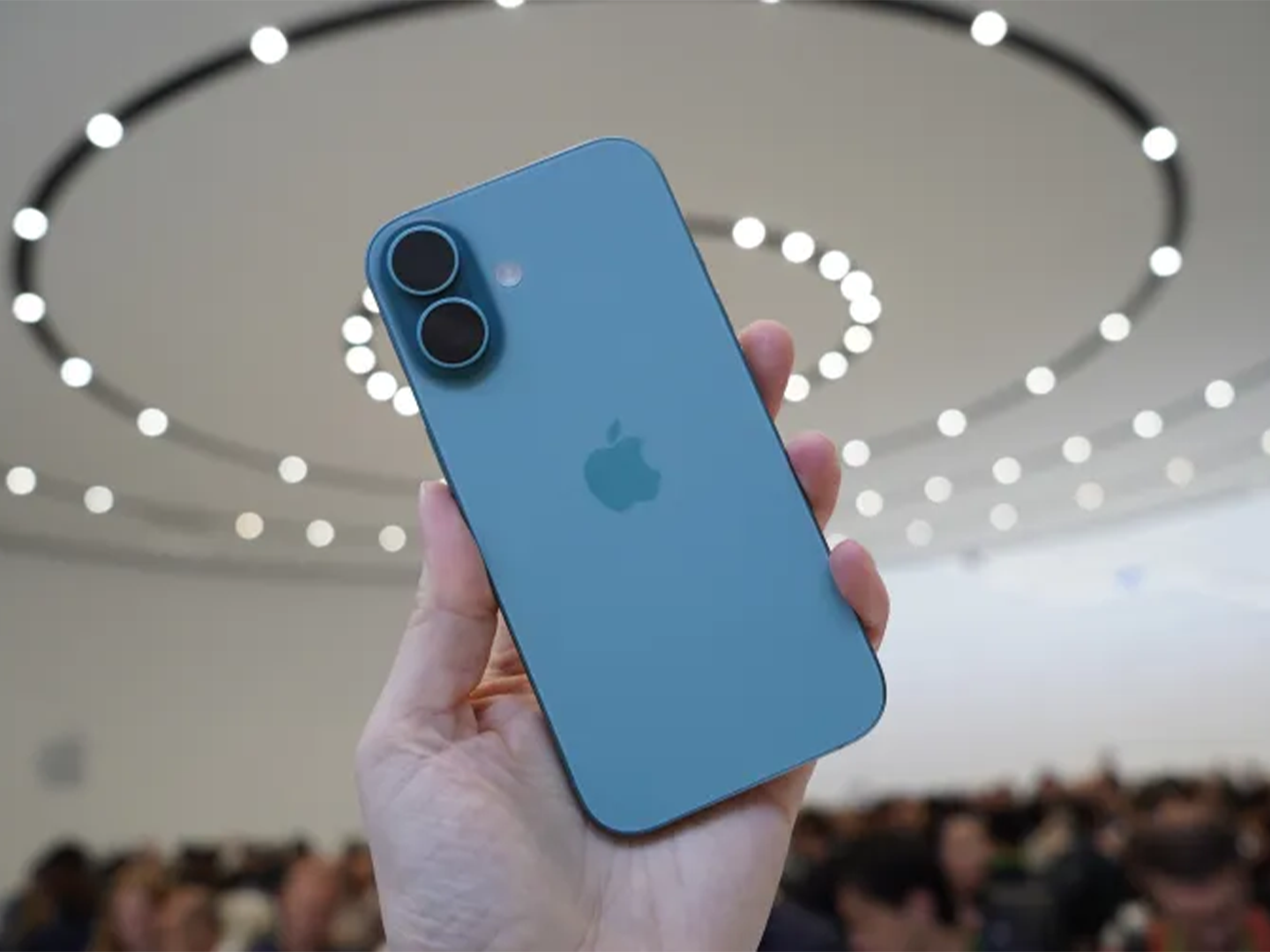
The iPhone 16 looks almost identical to the iPhone 15 at first glance. It maintains the same 6.1-inch dimensions (for the standard model) and shares flat aluminum edges with a polished glass back. The front is protected by Ceramic Shield, which Apple claims is tougher than any smartphone glass.
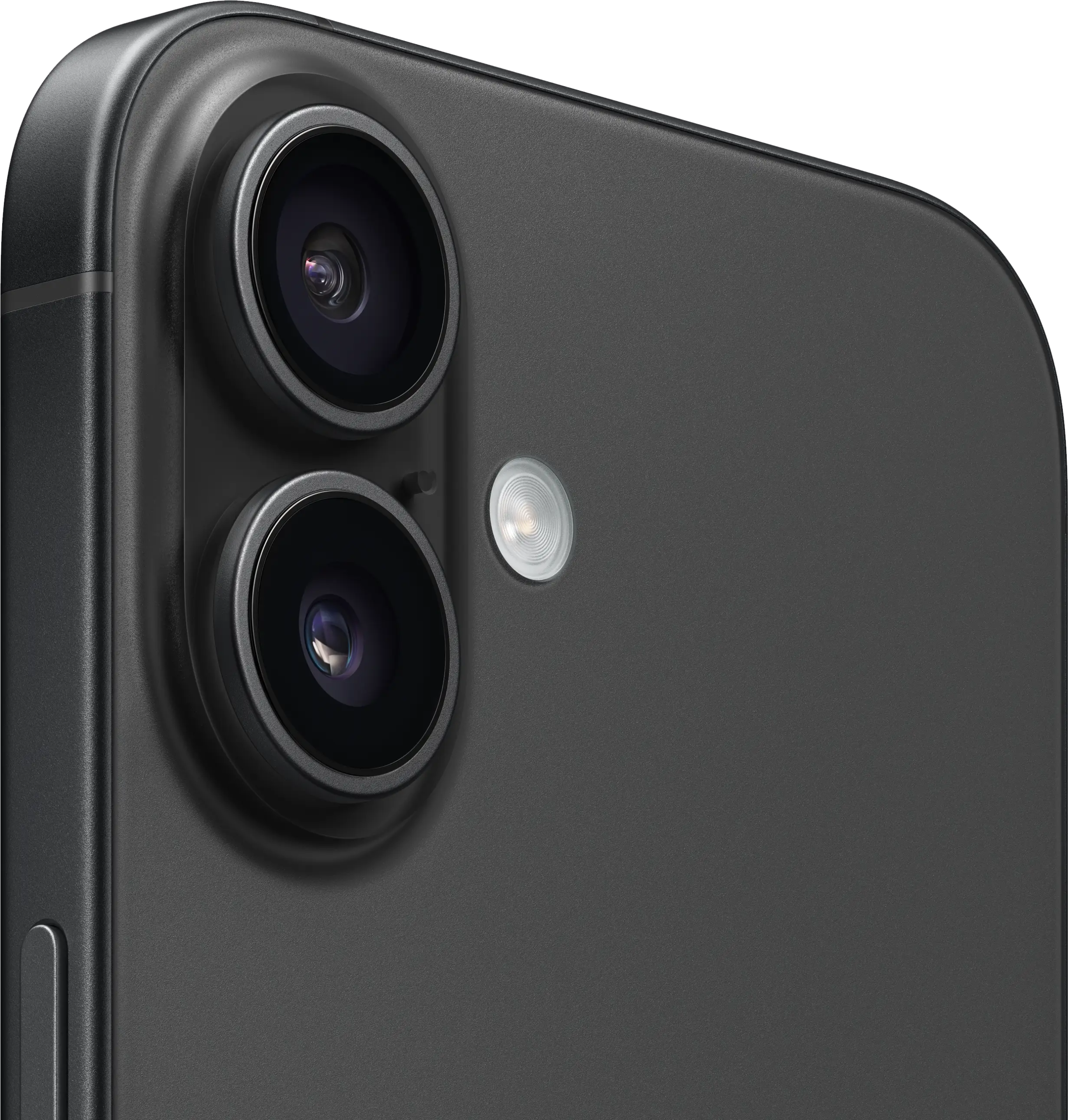
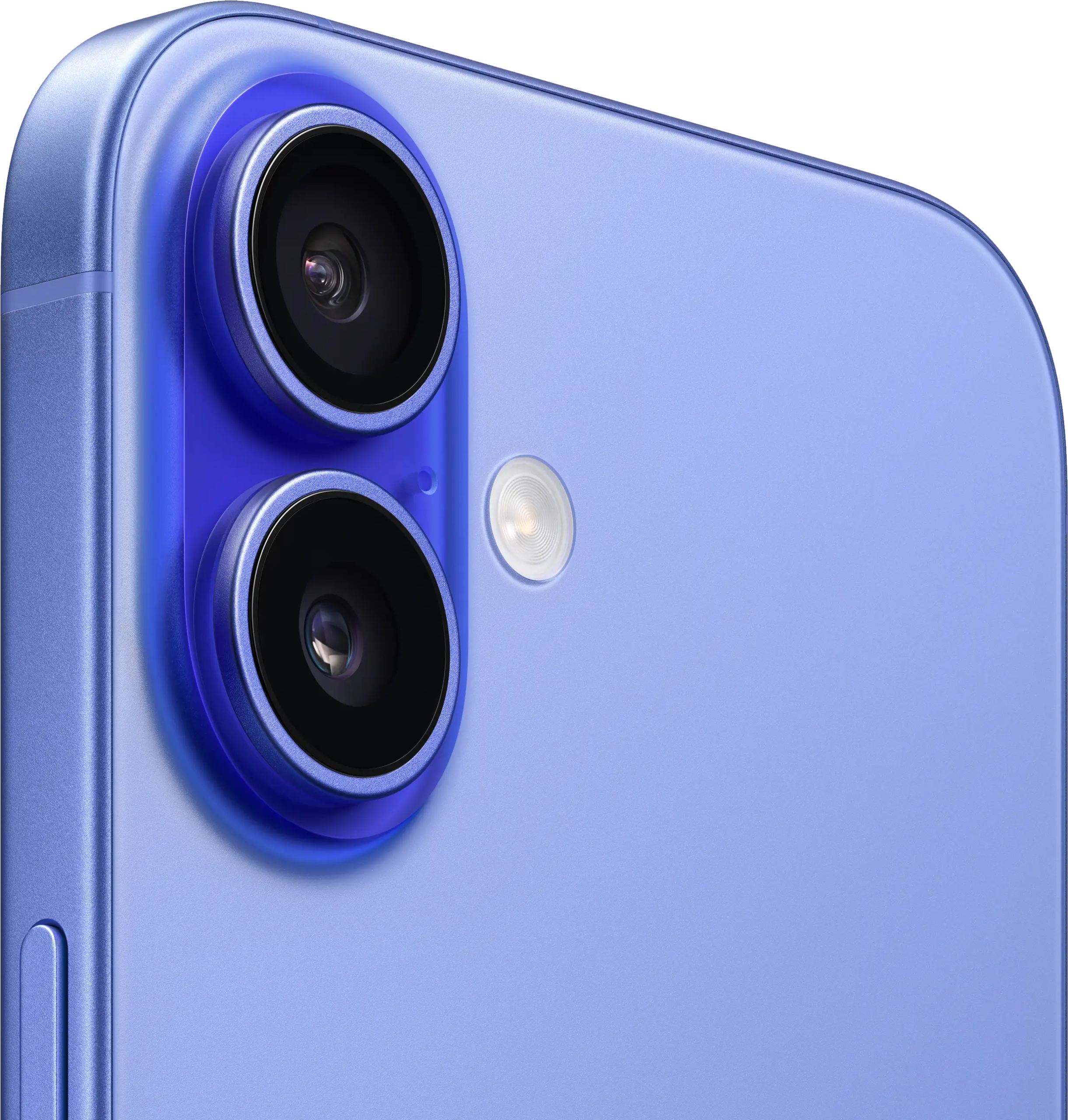
The camera bump is slightly larger than before to accommodate upgraded sensors. This means cases from the iPhone 15 may not fit perfectly. The Pro models use stainless steel edges and exclusive finishes such as Deep Space Black and Silver, giving a more premium feel.
Color options for the standard iPhone 16 include Midnight, Starlight, and a bold Crimson, while the Pro models offer darker, polished finishes. The flat edges provide a modern aesthetic, though they are slightly less comfortable than the curved designs of older iPhones.
Water and dust resistance remains at IP68, meaning the iPhone 16 can survive submersion in water up to 6 meters for 30 minutes.
iPhone 16 – Display
The standard iPhone 16 comes with a 6.1-inch Super Retina XDR OLED display, now capable of up to 900 nits brightness. The notch has been slightly reduced, giving a touch more usable screen space. While it remains a 60Hz display, it is bright, sharp, and color-accurate.
Pro models now feature ProMotion 120Hz refresh rates, making them feel much faster when scrolling or playing games. HDR support and contrast remain excellent across all models, and the screen covers nearly the entire front of the phone with minimal bezels.
For media consumption, gaming, or productivity, the iPhone 16’s display is a strong performer, though the Pro models feel noticeably more responsive due to the higher refresh rate.
iPhone 16 – Camera & Video
The iPhone 16 retains a dual camera system on the standard model, with 12MP wide and ultra-wide lenses. The wide camera has a larger sensor than the iPhone 15, capturing up to 50% more light. Sensor shift optical image stabilisation, previously limited to Pro Max models, is now standard across the lineup.
Low light photography sees significant improvements, and Night mode is sharper and faster. Apple’s Photographic Styles lets you tune color and tone, while Cinematic Mode 2.0 enables professional looking video with automatic focus transitions between subjects.
Pro models take things further with an additional telephoto lens, LiDAR scanner for depth mapping, and ProRAW/ProRes support, making them ideal for content creators or photography enthusiasts. Video stabilization is excellent across all models, and even casual users will notice crisp, detailed results.
iPhone 16 – Spec Options
Storage: 128GB, 256GB, 512GB
RAM: 8GB
Connectivity: 5G, Wi-Fi 6E, USB-C
Sensors: Face ID, accelerometer, gyroscope, proximity sensor, barometer
iPhone 16 – Build Quality
The iPhone 16 feels solid and durable thanks to its aluminum frame and glass back. It is IP68-rated for water and dust resistance and resists fingerprints reasonably well. The smaller form factor makes it easier to carry and handle compared with the Pro and Pro Max models.
iPhone 16 – Performance
Powered by the A18 chip, the iPhone 16 delivers smooth and reliable day-to-day performance. Apps launch quickly, multitasking is fluid, and most demanding tasks such as video editing or moderate gaming run smoothly. Thermal and power management improvements help maintain consistent performance even during extended use, ensuring a stable and responsive experience.
iPhone 16 – Life and Charge Time
iPhone 16 Pro
- Battery Life – 27 hours (video playback)
- Charge Time – 50% in 30 minutes (wired), full in ~1h 34m
iPhone 16
- Battery Life – 22 hours (video playback)
- Charge Time – 50% in 30 minutes (wired), full in ~1h 40m
iPhone 15
- Battery Life – 20 hours (video playback)
- Charge Time – 50% in 30 minutes (wired), full in ~1h 45m
The iPhone 16 sits comfortably between the lighter standard models and the more premium Pro options, offering dependable all-day battery life with efficient fast-charging that keeps it ready for daily use.
While the 16 Pro delivers slightly better endurance and quicker full-charge times, and the older iPhone 15 trails behind both, the iPhone 16 holds its own as a reliable balance of performance, efficiency, and practicality for most users.
iPhone 16 – Operating System
Geekbench results
CPU single-core scores:
- iPhone 16 Pro - Score = 3,473
- iPhone 16 - Score = 2,744
- iPhone 15 - Score = 2,545
CPU multi-core scores:
- iPhone 16 Pro - Score = 8,512
- iPhone 16 - Score = 6,179
- iPhone 15 - Score = 6,323
Benchmarks confirm that the iPhone 16 delivers noticeable performance gains over the iPhone 15. According to Geekbench listings, the iPhone 16 posts an average single core score around 3,300 to 3,400 and multi core results in the 8,000 to 8,500 range. By comparison, the iPhone 15 typically averages about 2,544 single core and 6,321 multi core on the same benchmark.
This improvement of roughly 30% in single core and close to 25 - 30% in multi core means apps launch faster, transitions feel smoother, and heavier workflows such as video editing or multitasking see real gains. Improved thermal management in the iPhone 16 also helps performance stay consistent under load, reducing throttling and delivering a more stable experience over time.
iPhone 16 – Additional Features
MagSafe / Qi2 wireless charging
Dual eSIM and Physical SIM support
Satellite SOS and messaging
Thread smart home integration
Wi-Fi 6E and USB-C connectivity
Apple Intelligence for enhanced AI features
iPhone 16 – Problems with Older Phones / Issues to Look Out For
If you’re upgrading from previous iPhone models, you might notice that the smaller screen compared to the Pro models can feel somewhat limited for media consumption. The iPhone 16 also lacks the advanced telephoto zoom and some of the enhanced camera features found on the Pro variants. While charging speed is reliable, it is not as fast as some of the latest flagship phones on the market.
iPhone 16 – Verdict
The iPhone 16 is a solid, evolutionary update over the iPhone 15. Improvements to camera, battery, and performance make it a worthwhile upgrade for most users. The standard model offers everything the average user needs, while Pro and Pro Max models provide enhanced display, camera, and processing power for power users.
If budget allows, the iPhone 16 Pro or Pro Max are excellent choices for photography, gaming, and professional applications. Otherwise, the standard iPhone 16 remains a compelling and future-proof device.