Google Pixel 11: the talking points, two weeks after launch
The Pixel 11 range went on sale on 20 August. With the reviews now in, here's a look at the four models, what's changed this generation, and the points people are still weighing up.
What the first two weeks have shown
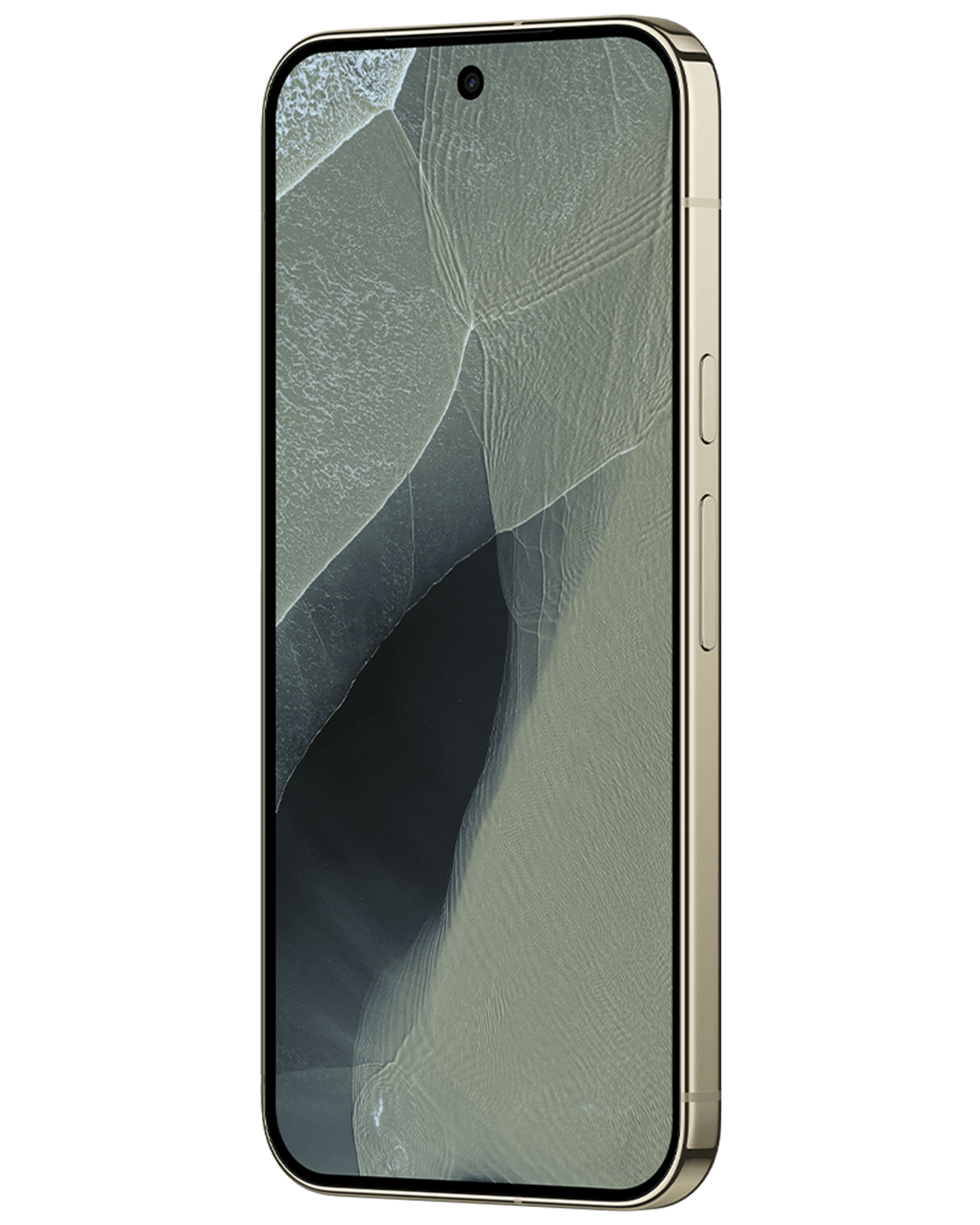
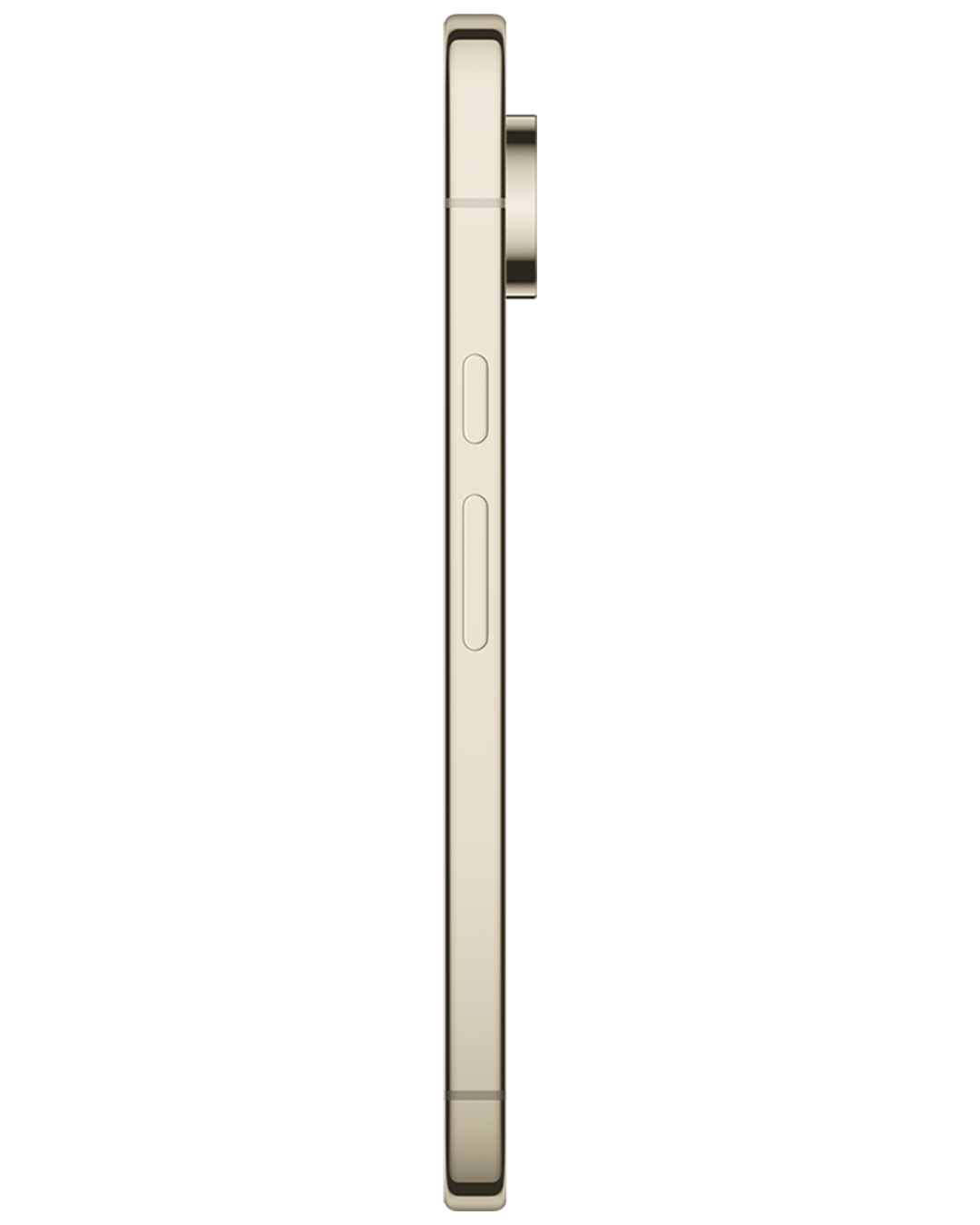
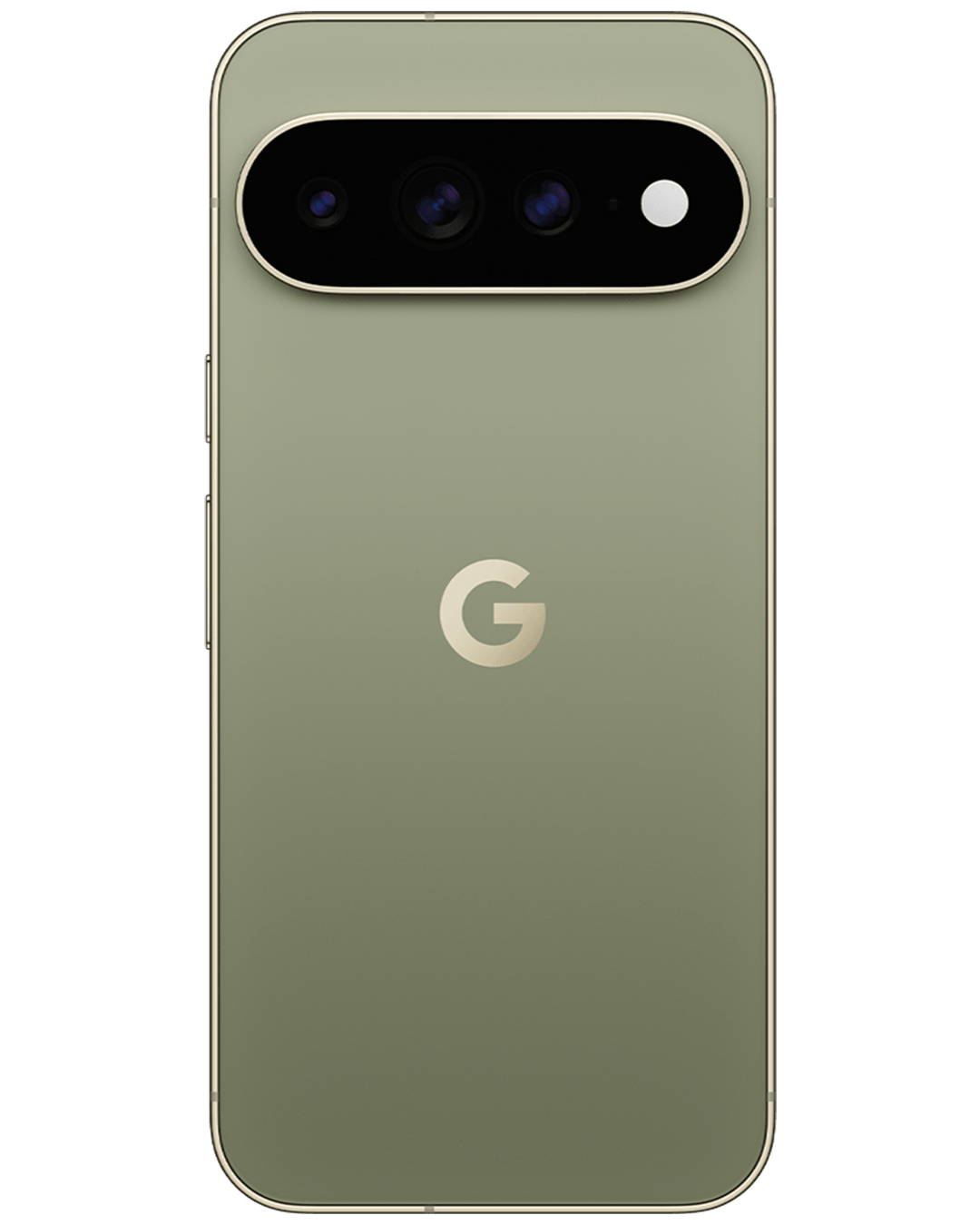
Google announced the Pixel 11 family on 12 August and it reached buyers on 20 August. Two weeks is a useful point to take stock: the full reviews are published, and people who bought one on day one have had long enough to form a view.
The picture that emerges is a positive one. This is a refinement year rather than a redesign, and the refinements have landed in the places that shape how a phone feels to live with — battery life, running temperature, and a camera that now does more of the thinking for you.
Here's what people are talking about two weeks in, across all four models, and what it means if you're considering one.
- Four models — Pixel 11, 11 Pro, 11 Pro XL and 11 Pro Fold — all on the new Tensor G6
- Battery life is the standout — one review measured 23h 20m, up from 19h 43m last year
- The phone runs noticeably cooler too, around 6°C down on the Pixel 10 Pro under load
- Magic Capture turns a short clip into five finished photos, and it's on every model
- Displays reach 3,600 nits on the Pro models, with 120x zoom and a 42MP selfie camera
- Every model now starts at 256GB, so there's no storage upgrade to buy straight away
Four phones, and what they cost
Google has kept the same four-model shape as last year, with one genuinely useful change: every Pixel 11 now starts at 256GB. The 128GB tier is gone, so the storage you'd probably have paid to upgrade to is included from the start.
| Model | Display | RAM | Battery | Google RRP | At Mozillion |
|---|---|---|---|---|---|
| Pixel 11 | 6.3" 120Hz OLED, 3,000 nits | 12GB | 4,985mAh | £879 | £850 |
| Pixel 11 Pro | 6.3" LTPO, 3,600 nits | 12 or 16GB | 4,850mAh | £1,079 | £990 |
| Pixel 11 Pro XL | 6.8" LTPO, 3,600 nits | 12 or 16GB | 5,115mAh | £1,279 | £1,200 |
| Pixel 11 Pro Fold | 6.5" outer / 8.0" inner, 3,600 nits | 16GB | 24hr+ claimed | £1,799 | £1,600 |
All models run the Tensor G6 and start at 256GB. Mozillion prices are SIM free and brand new, for the 256GB model.
Battery life and heat: the biggest step forward
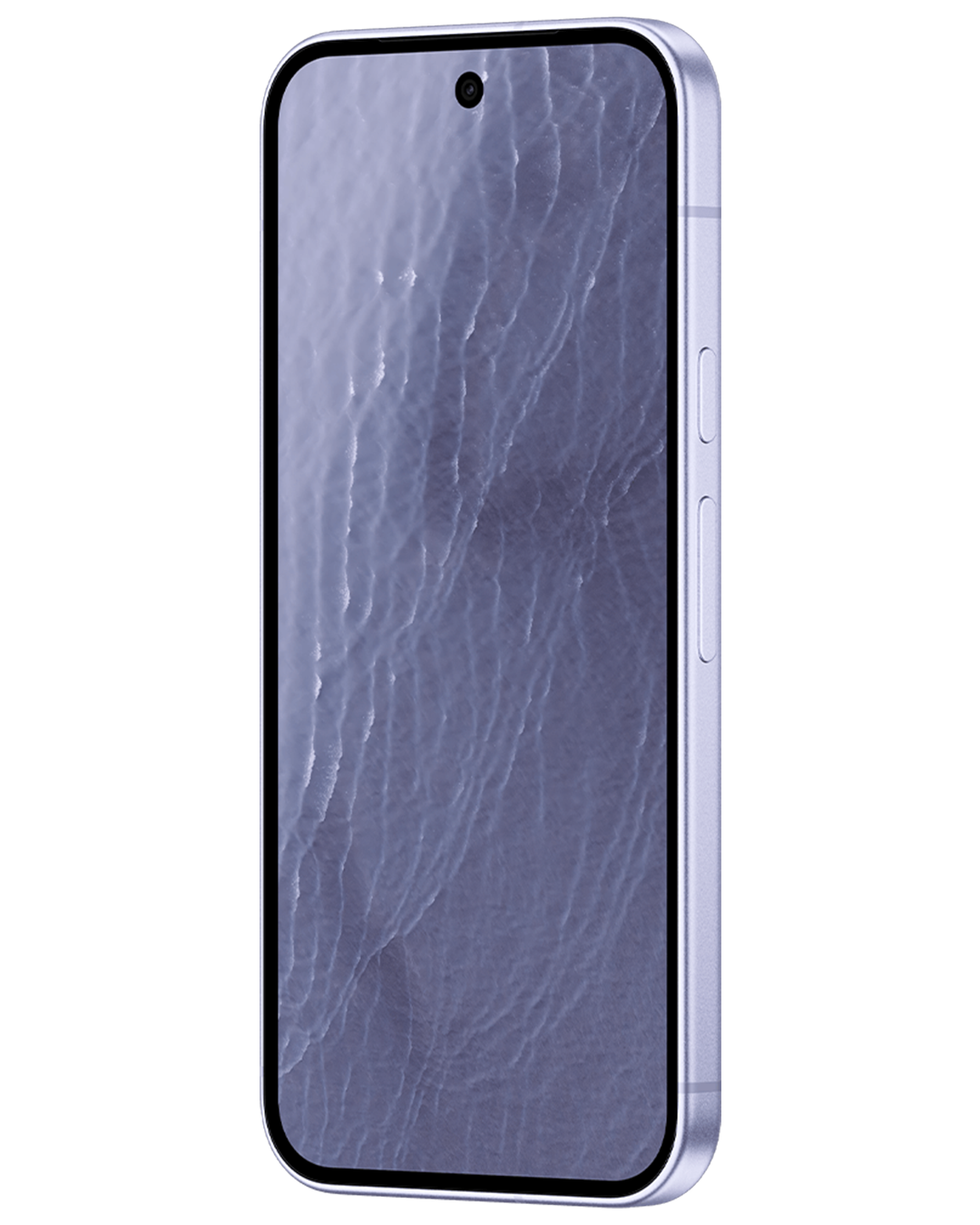
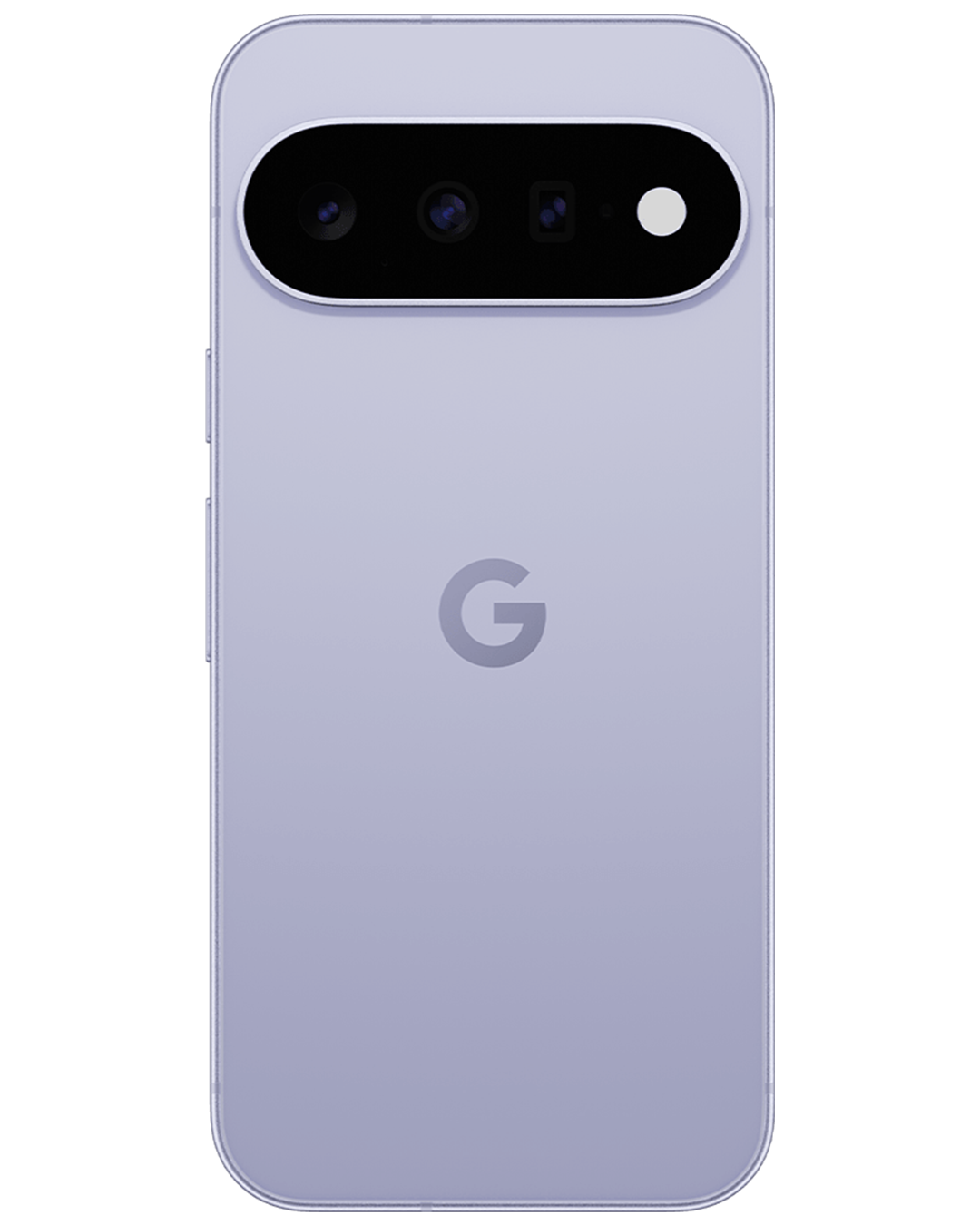
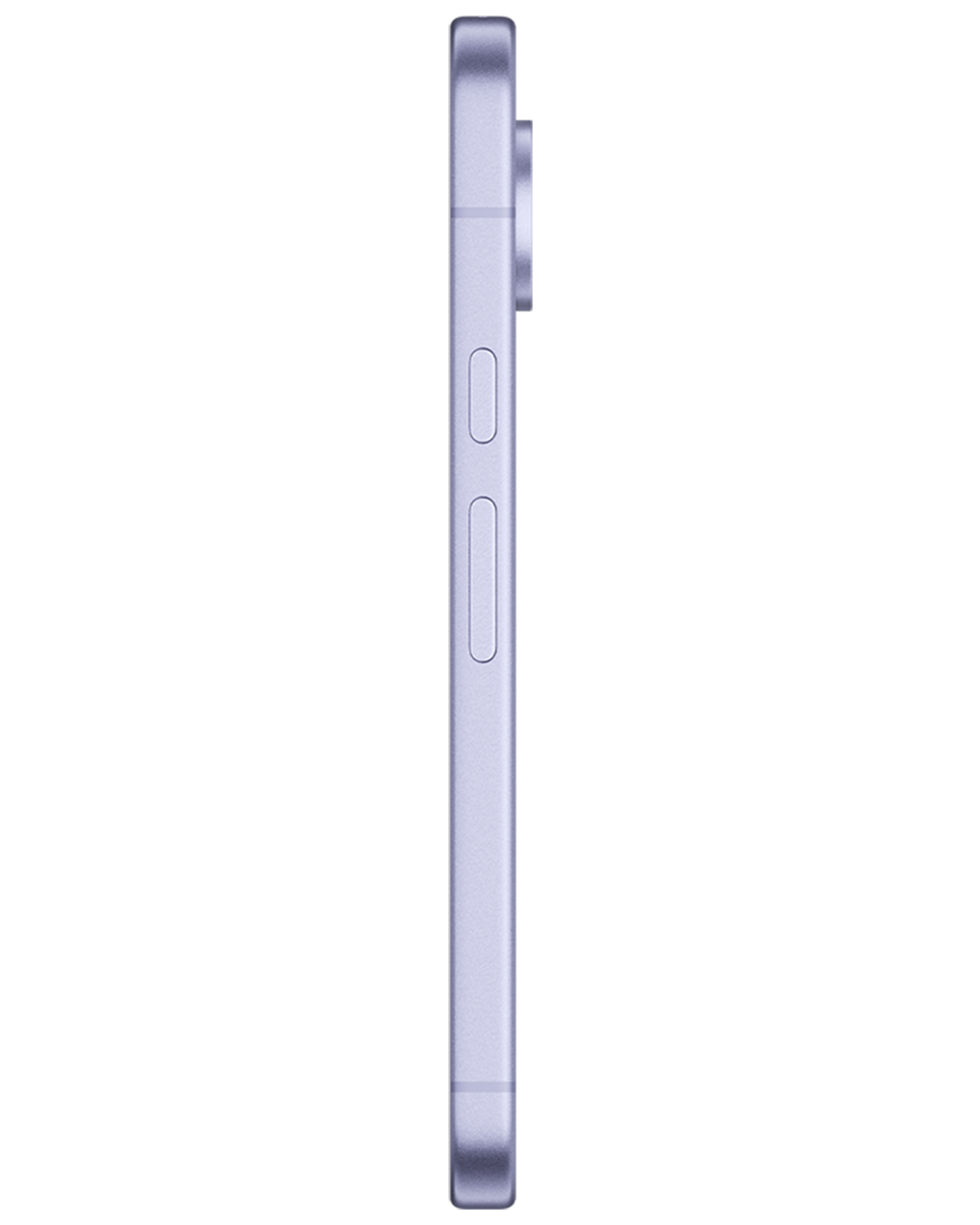
Battery life is where the Pixel 11 has impressed reviewers most, and it's the improvement most likely to be felt day to day.
In one review's standardised testing the Pixel 11 Pro reached 23 hours 20 minutes, up from the Pixel 10 Pro's 19 hours 43 minutes — and it managed that with a slightly smaller cell. Reviewers living with the Pro XL describe ending typical days with around 40% still in reserve. The same testing found the phone running roughly 6°C cooler under sustained load, down from about 45°C to 39°C, which puts it ahead of Samsung's Galaxy S26 Ultra.
"Google made a huge improvement this year."
A good deal of the credit goes to a new MediaTek modem, reported to be around 10% faster while drawing less power — modems are one of the quieter drains on any phone, so gains there show up directly in screen-on time. Charging has moved on as well: Qi2.2 wireless at 25W is now standard across the Pro models rather than an XL exclusive, and 30W wired takes you to roughly half in half an hour.
These battery figures come from reviewers' own standardised tests, which makes them a fair way to compare phones with each other. Your own results will still depend on signal, screen brightness and how much video you watch on the commute.
Magic Capture, plus a closer look at the cameras
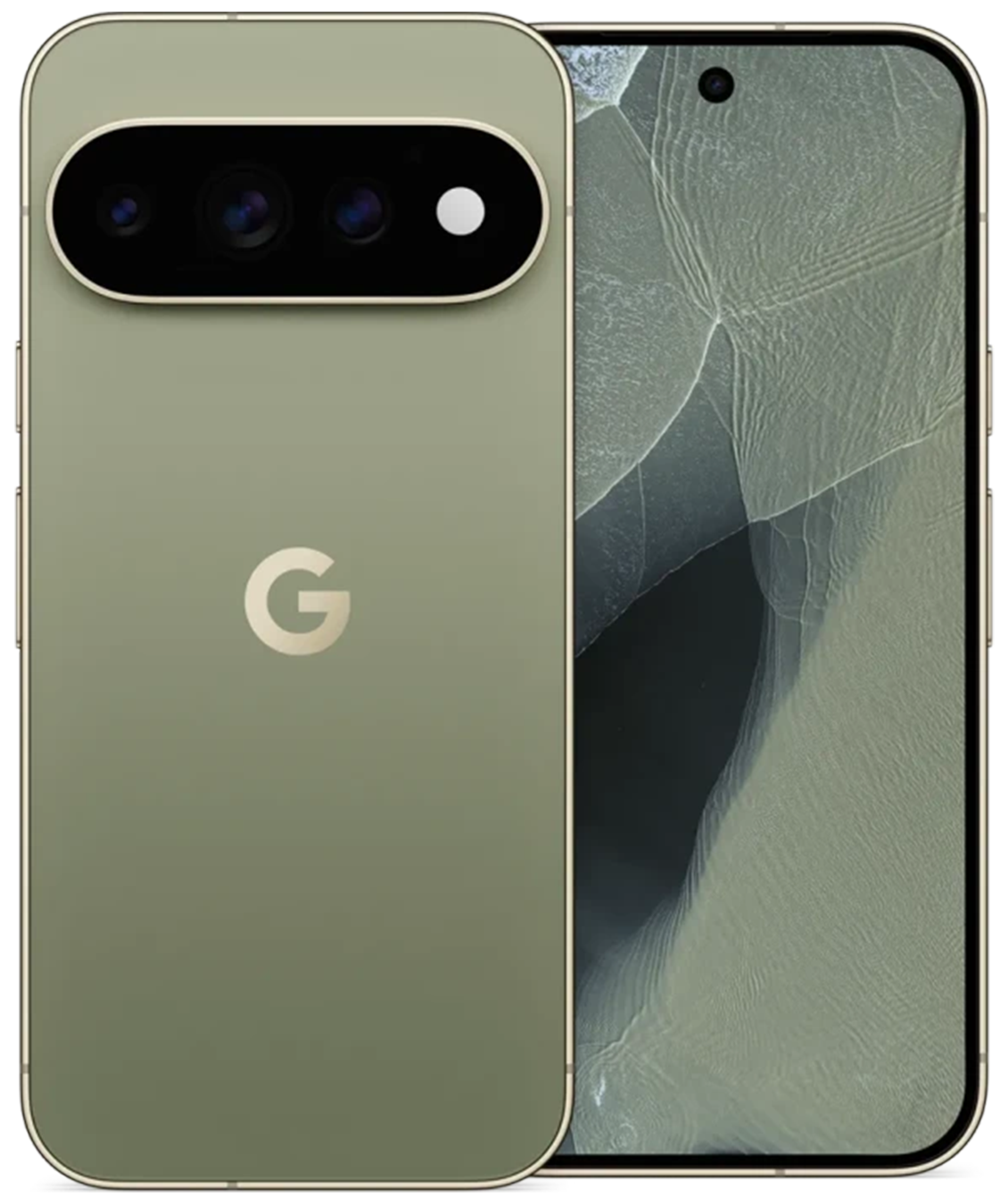
If one feature has defined this generation, it's Magic Capture. It records around 30 seconds of 1080p video, looks through it for the strongest moments — faces, expressions, movement, composition — and gives you back five finished 12MP HDR+ photos alongside the original clip. If you'd have chosen differently, you can scrub through and pull your own frame out. The shutter still works manually while it's recording.
It's aimed squarely at a familiar problem: the group photo where someone blinks, the toddler who won't sit still, the dog mid-jump. One reviewer went as far as calling it among the best camera features ever put on a phone. It's available on all four models, and the Pro models add optional cloud-based Video Boost processing for 4K.
The rest of the camera has moved forward too, and it's the area where Pixels have long been strongest.
Gemini Intelligence, and what it adds to your day
Google has brought its AI features together under one name this year, Gemini Intelligence, which makes the whole set easier to get your head around than the scattering of separate names it replaces.
The most useful of them is Proactive Assistance, a development of Magic Cue that now shows you a preview before it does anything. Spot a date in a message and it offers a calendar card; mention a place and it offers the map. That preview matters — you see what it's about to do before you commit, which makes it something you can comfortably leave switched on.
Gboard Rambler is a voice-first transcription mode built for the way people actually speak: you talk, it tidies. Reviewers rate the transcription highly. Alongside those you get live translation for video, a Creator Suite for video editing, and sign-to-text translation for ASL on the Fold.
Not everything has arrived fully formed. HiLight, the light that pulses when Gemini is listening or when a favourite contact calls with the phone face down, does only those two things at launch — it's a feature with room to grow, and one that should get more interesting as Google adds to it.
The Made by Google '26 keynote, where the Pixel 11 range, Pixel Watch 5 and the rest of the line-up were announced.
How the Tensor G6 performs in practice
The chip has generated plenty of discussion, so it's worth setting out both halves of the picture.
On benchmarks, the Tensor G6 is around 18% faster single-core and 21% faster multi-core than the G5 — a solid generational step — while Qualcomm's Snapdragon 8 Elite Gen 5 scores higher still. Where the G6 does something more interesting is under sustained load: it holds roughly 79% of its peak GPU performance during stress testing, against 50–75% for its rivals. A chip that stays steady behaves rather differently in your pocket than one that spikes and then throttles, and it's a big part of why the battery and temperature figures improved as much as they did.
Reviewers consistently describe the phone as snappy, with no lag across scrolling, cameras, apps and multitasking. The on-device AI work the Pixel leans on is exactly what Tensor is tuned for, and it handles it comfortably.
The most demanding 3D titles are where you'd notice the gap, and a small number of games rely on newer graphics APIs the GPU doesn't support. Worth factoring in if your phone doubles as your main games machine.
What the range costs, and where to get it for less
Prices are up by roughly £100 a model this year, in line with a wider industry shift driven by rising memory costs. The 256GB starting point takes some of the sting out of that, since it's storage you'd likely have paid for anyway.
It's also worth shopping around rather than going straight to Google. The whole range is available SIM free and brand new at Mozillion, and every model lands under Google's RRP — the Pixel 11 at £850, the Pixel 11 Pro at £990, the Pixel 11 Pro XL at £1,200 and the Pixel 11 Pro Fold at £1,600.
The savings grow as you move up the range: £29 on the Pixel 11, £89 on the Pro, £79 on the Pro XL and £199 on the Pro Fold.
The Pixel 11 Pro now starts with 12GB of RAM, with 16GB on a higher tier. Reviewers haven't reported the 12GB model struggling, but it's worth knowing which you're buying if you tend to keep a phone for four or five years.
The Pro Fold: Google's most durable foldable yet
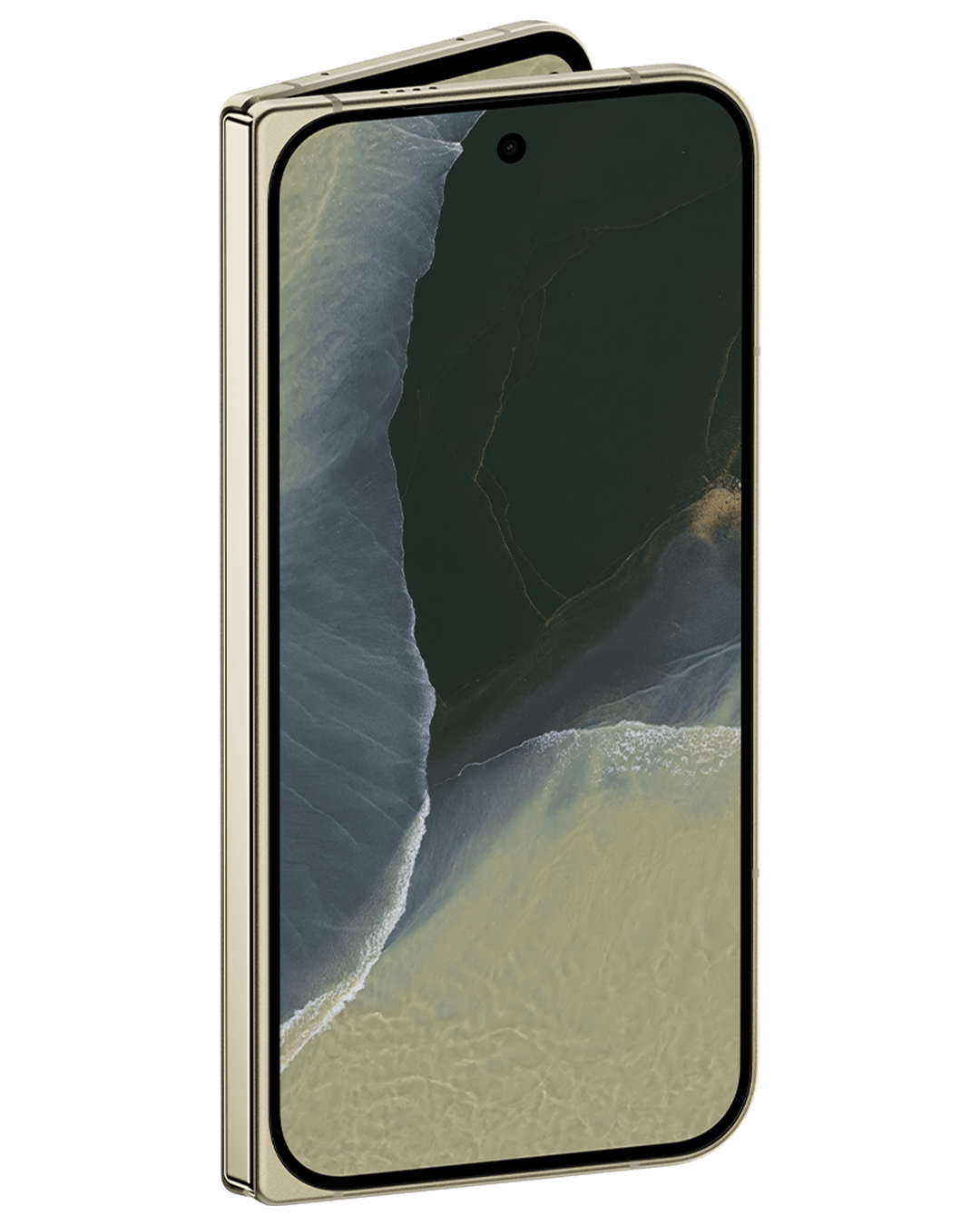
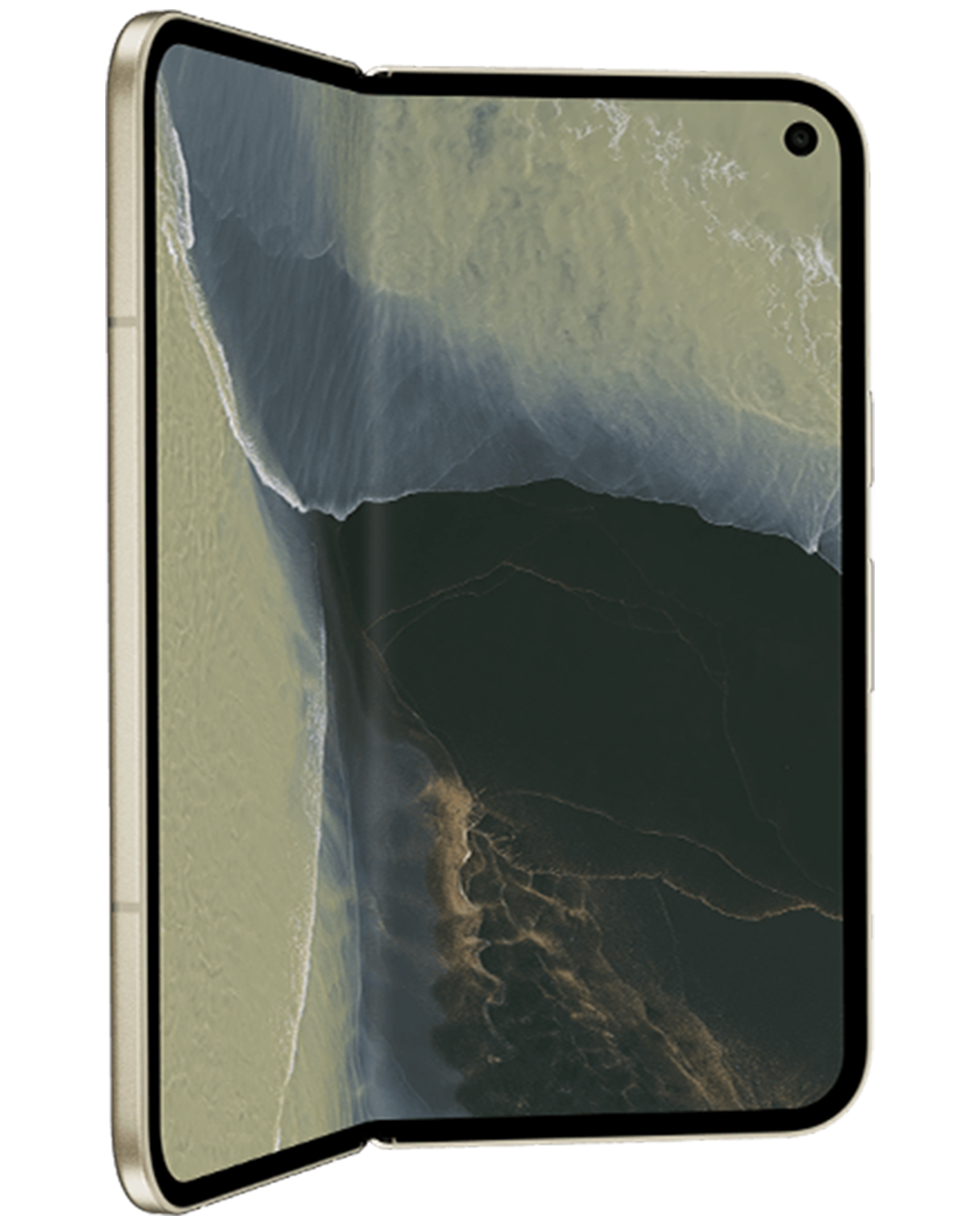
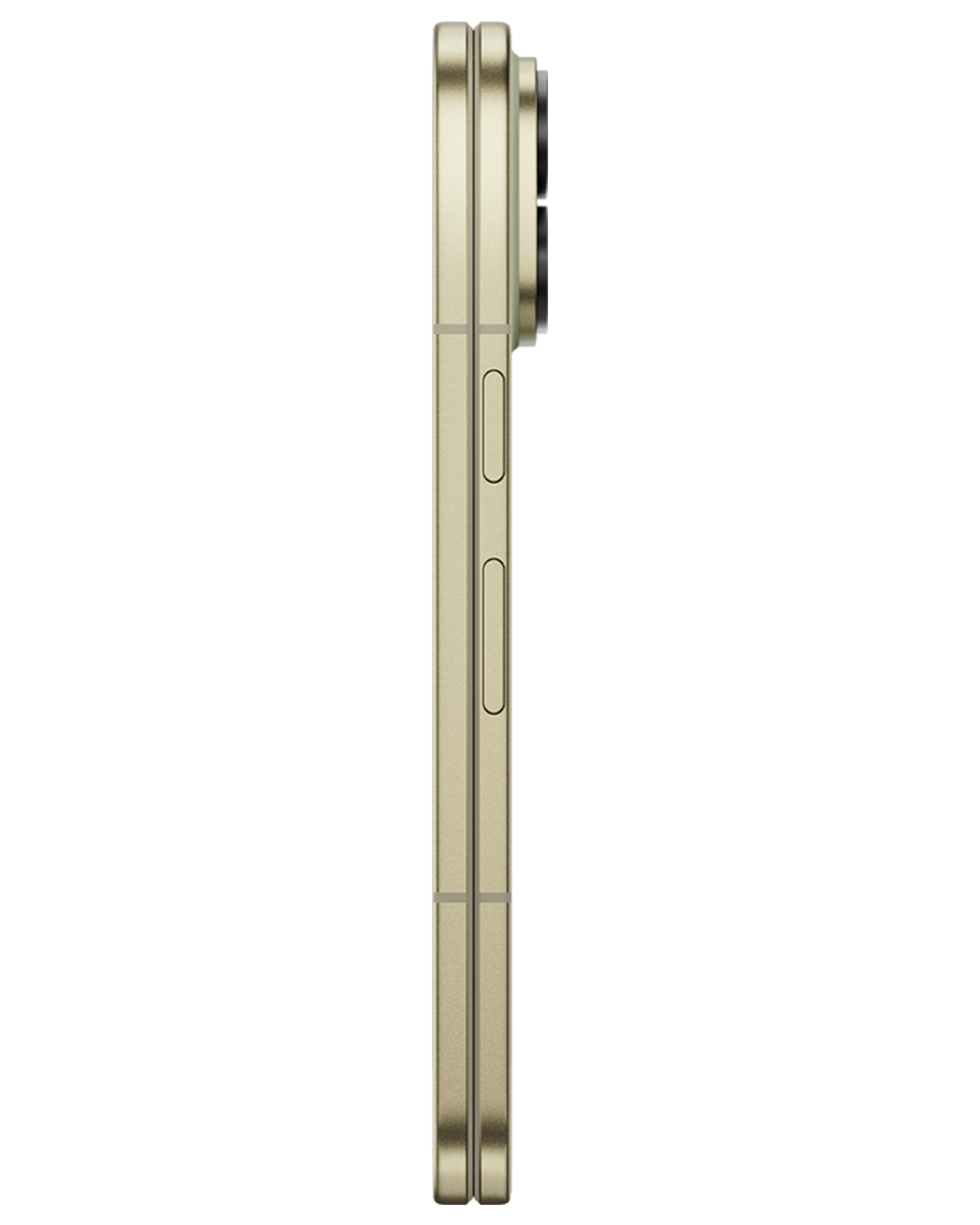
At 10.1mm closed the Pixel 11 Pro Fold is Google's thinnest foldable, and durability is the headline. Google puts it at three times more durable than last year's model, with a ceramic outer display and a glass-fibre composite back, and it holds a full IP68 dust and water rating — still uncommon on a folding phone, and reassuring on a device with a hinge.
The screens measure 6.5 inches outside and 8.0 inches in, both rated at 3,600 nits and around 20% brighter than last year. Google quotes over 24 hours of battery, with 30W wired charging reaching 50% in about half an hour. A new 48MP main sensor pairs with a 10.8MP 5x telephoto, giving it a longer reach than Samsung's base Fold.
Reviewers who've spent time with it note the crease is still visible, where Samsung has largely engineered theirs away. It lands as a very well-rounded foldable, and the IP68 rating and improved durability make it one of the more practical choices in the category.
Which Pixel 11 is right for you?
Pixel 11 — £850. The value pick, and the one that will suit most people. You get Magic Capture, the same Tensor G6, a 4,985mAh battery and 256GB as standard. You go without the LTPO display, the telephoto lens and the very brightest screen.
Pixel 11 Pro — £990. The model this year's improvements land on hardest: the battery and thermal gains, the 3,600-nit display, 120x zoom and the 42MP selfie camera, in a 6.3-inch body that still sits comfortably in a pocket.
Pixel 11 Pro XL — £1,200. The same Pro strengths on a 6.8-inch screen with the biggest battery in the range. The one to pick if you watch a lot on your phone, or want the longest gap between charges.
Pixel 11 Pro Fold — £1,600. A tablet-sized screen that folds into a pocket, now with the IP68 rating and the durability to make that practical day to day.
And if you're coming from a Pixel 10, there's no urgency. This year's gains are real, but last year's phone is still a very capable one, and prices across this range will settle over the coming months.
The whole Pixel 11 range, for less than Google charges.
All four models are here, SIM Free and Brand New, each priced below Google’s listed price, from £850 for the Pixel 11 up to £1,600 for the Pro Fold. Pair any of them with a Pay Monthly SIM to help keep your monthly costs down.
Shop the Pixel 11 range Shop the Pixel 11 Pro FoldThe verdict: an improvements year, done well
Two weeks in, the Pixel 11 reads as a phone that put its engineering effort into the things owners actually notice. It lasts longer, runs cooler, takes better photos with less effort, and holds its composure when you ask it to work hard.
That's a quieter story than a redesign, and a more useful one for anyone who has to rely on the thing all day. If you've been waiting for the Pixel that finally sorts out battery life, this is it.