
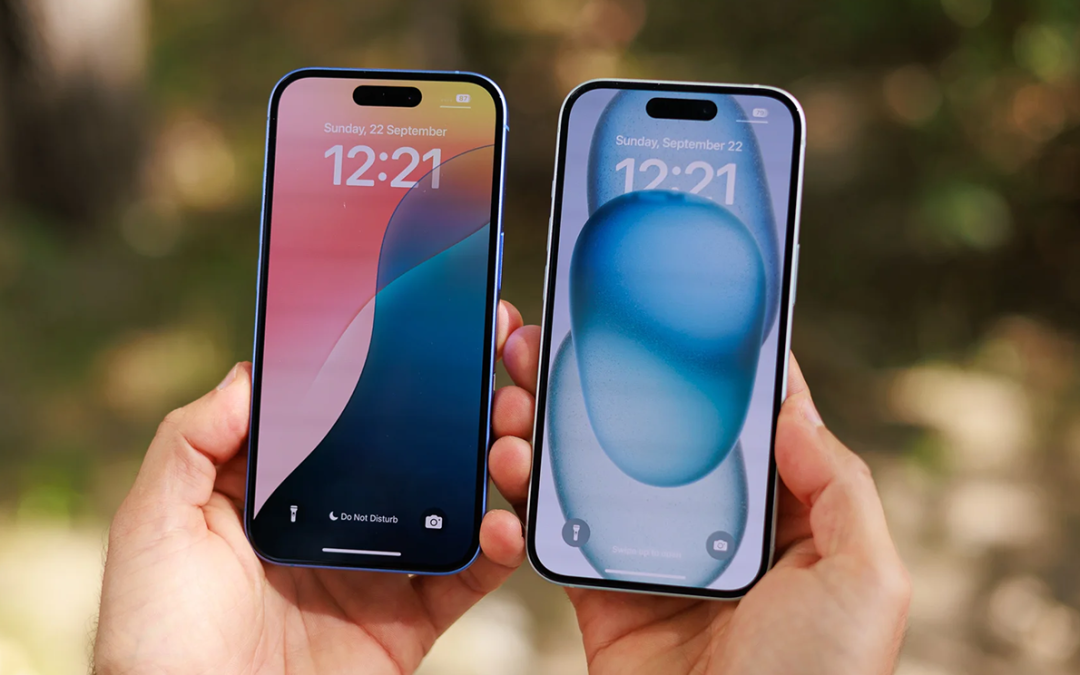
Apple rarely reinvents the wheel and the iPhone 16 continues that philosophy. Building on the iPhone 15, it offers incremental but meaningful improvements in performance, camera, and efficiency. For many users the iPhone 15 remains a highly capable device, but the iPhone 16 brings refinements that make it a better long term choice, particularly for those who want the latest chip, improved battery efficiency, and subtle camera upgrades.
iPhone 15 vs iPhone 16 - Build & Design
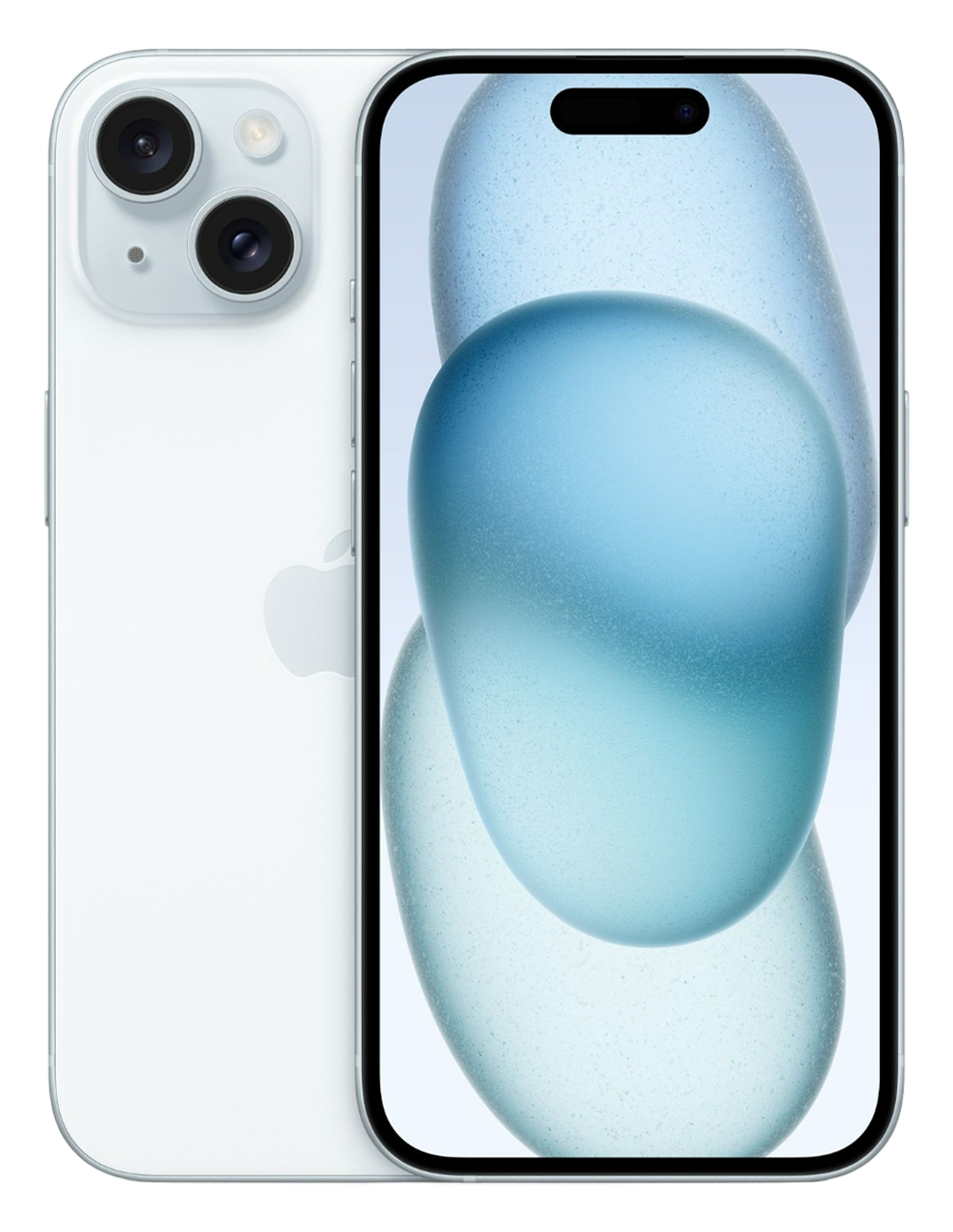
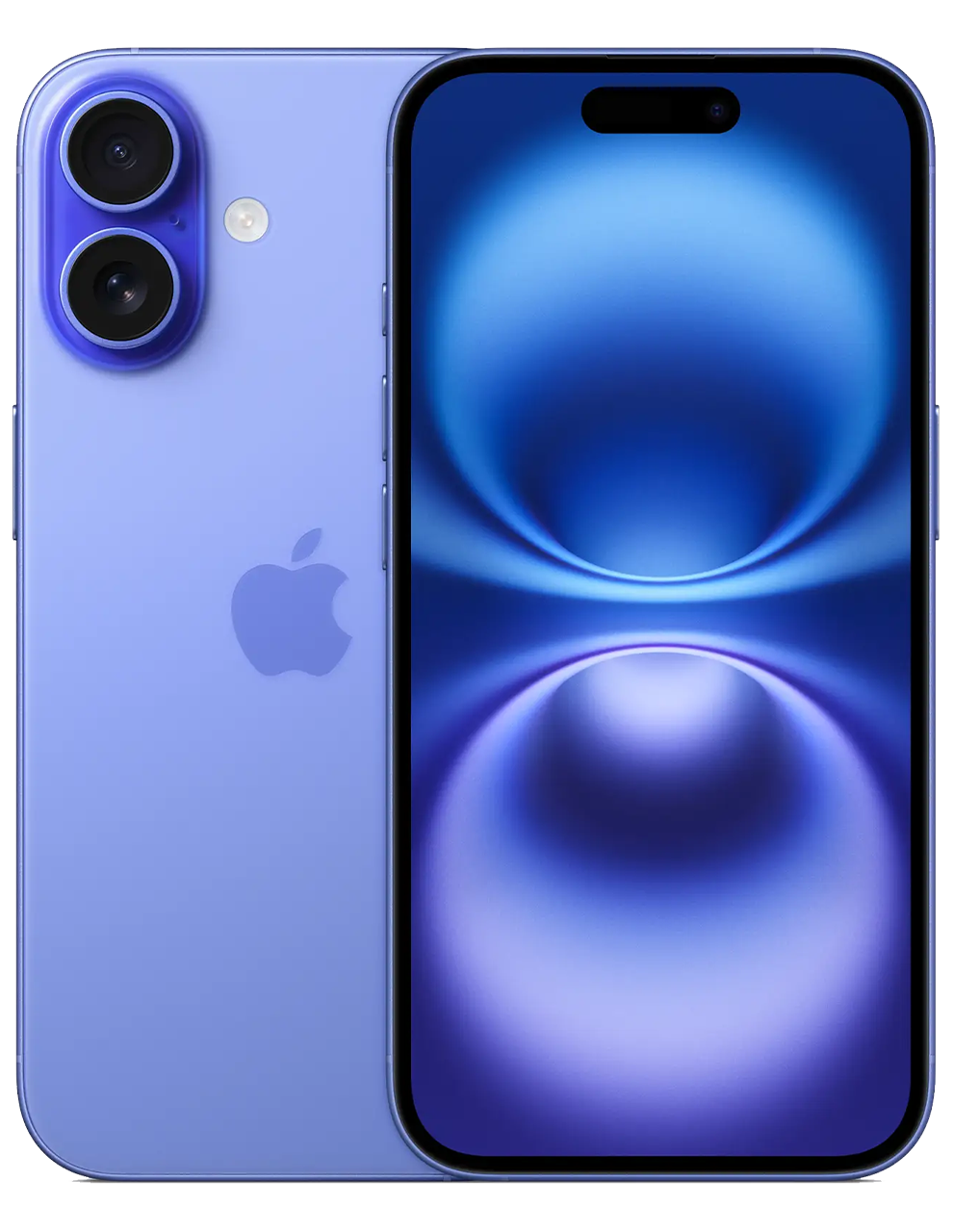
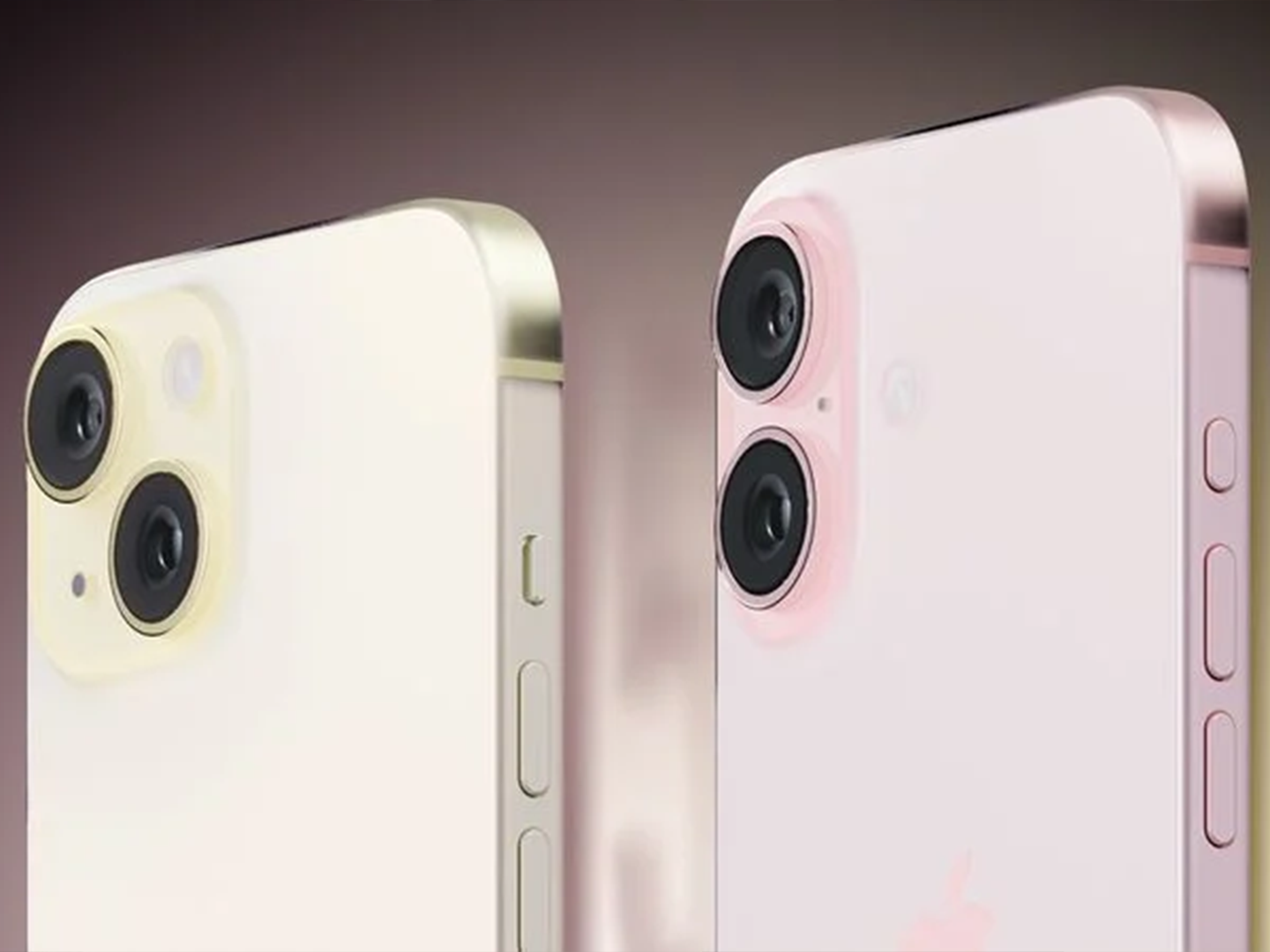
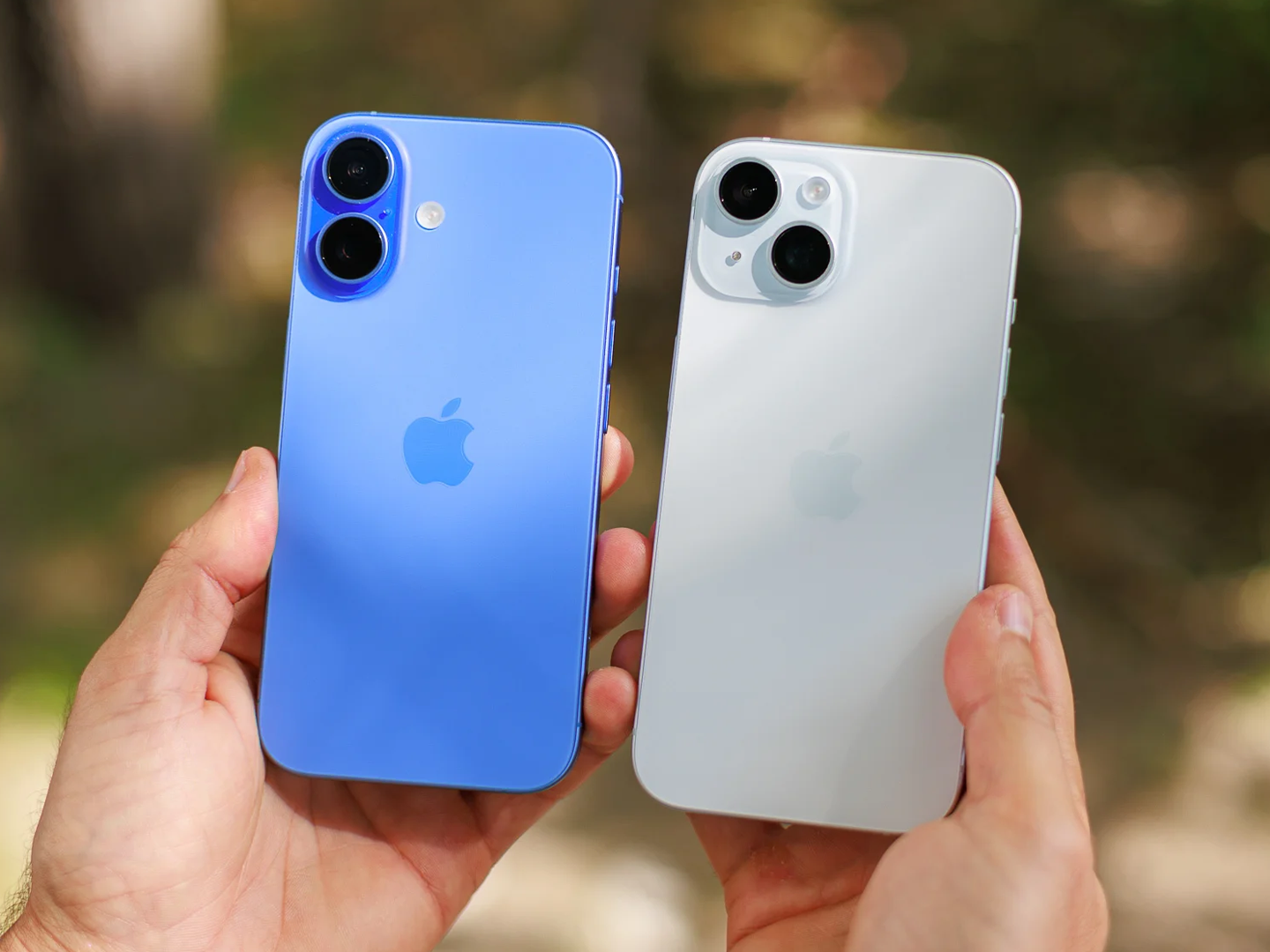
The iPhone 15 and iPhone 16 share the same dimensions and materials, with squared edge aluminium frames and Ceramic Shield glass. The main differences appear on the back and sides: the iPhone 16 features a vertical camera layout, a customisable Action Button, and a Camera Control button, while the iPhone 15 keeps the diagonal camera and traditional mute switch. Overall, the 16 feels slightly lighter and more refined, but both maintain Apple’s signature premium design.
iPhone 15 vs iPhone 16 - Display
Both phones feature a 6.1-inch Super Retina XDR OLED display with HDR10 support, wide color gamut, and excellent contrast. Brightness is slightly higher on the iPhone 16, peaking at around 900 nits compared to the iPhone 15's 800 nits, which improves outdoor visibility.
The iPhone 15 and iPhone 16 base models remain 60Hertz, but the iPhone 16's A18 chip allows smoother touch response and system animations. The notch housing the TrueDepth camera is slightly smaller on the iPhone 16, giving a more immersive viewing experience. Both displays are excellent for media consumption, streaming, and casual gaming, but the iPhone 16 feels subtly more polished in daily use.
iPhone 15 vs iPhone 16 - Camera & Video
Face on, the iPhone 15 and iPhone 16 share a very similar aesthetic. Both feature slim bezels, flat edges, and glass front and back framed with durable aluminium. Both phones support IP68 water and dust resistance, Ceramic Shield front glass, and polished finishes.
The iPhone 16 adds subtle refinements. It has slightly improved build tolerance, enhanced rear glass durability, and finishes that feel a touch more premium. The camera module is largely similar in size, although minor repositioning of lenses ensures improved low light performance and optical stabilization. The base iPhone 16 is slightly lighter than the iPhone 15 and both phones remain comfortable in hand with a small footprint despite their 6.1-inch screens.
Colour options are nearly identical for the standard models with Midnight, Starlight, and a bold new Crimson on the iPhone 16, compared to the iPhone 15's similar palette. Overall, both phones feel solid, but the iPhone 16 has a slight edge with its design and durability refinements.
iPhone 15 vs iPhone 16 - Processor
The chipset on a smartphone is like the engine of a sportscar, and the iPhone 16’s A18 Bionic chip is packing some serious horsepower.
The A18 delivers a premium smartphone experience with incredible speed, efficiency, and intelligent processing. Improvements in artificial intelligence and system optimisations make every interaction smooth and responsive, even when running the most demanding apps or creative workflows.
Do not be mistaken though, the iPhone 15 with its A16 Bionic chip is still an extremely powerful device. For most users it handles everyday tasks, streaming, and gaming effortlessly. However, if you regularly run intensive apps, edit video, or multitask heavily, the iPhone 16’s A18 chip will give you a noticeable performance boost and keep things running cooler under load.
iPhone 15 vs iPhone 16 - Battery Performance
Both the iPhone 15 and iPhone 16 offer strong all day battery life, comfortably lasting a full day under moderate to heavy use. Apple has made small efficiency improvements with the A18 chip in the iPhone 16, which can translate into slightly better endurance during intensive tasks or longer periods of multitasking.
Charging speeds remain similar across both devices, with fast wired and MagSafe wireless options. While neither phone breaks records for rapid charging, they both provide reliable daily use. The iPhone 16 may feel marginally more resilient for users who regularly push their phones with gaming, streaming, or creative work, while the iPhone 15 continues to offer dependable performance for most everyday scenarios.
iPhone 15 vs iPhone 16 - Storage
The other notable upgrade with the iPhone 16 is in storage and future proofing. The base iPhone 16 comes with 128GB, the same as the iPhone 15, but thanks to improved efficiency and faster memory, apps launch quicker and file transfers feel snappier. Both models offer options up to 512GB, while Pro and Pro Max variants go up to 1TB.
Whether you are storing high resolution photos, 4K videos, or large app libraries, both the iPhone 15 and iPhone 16 give you plenty of space. The iPhone 16’s faster storage and improved system architecture make managing large files smoother, particularly when working with creative apps or extensive media collections.
iPhone 15 vs iPhone 16 - Verdict
The iPhone 15 remains a highly capable device, offering strong performance, a great display, excellent cameras, and long term software support. The iPhone 16 builds on this foundation with incremental but meaningful improvements. It has a faster A18 chip, better low light camera performance, slight battery efficiency gains, and refined design touches.
If you already own an iPhone 15, the upgrade may feel less urgent. For those who want the latest processor, slightly better camera features, and longer future proofing, the iPhone 16 is the better long term choice. For new buyers, the iPhone 16 provides a more polished, future proof experience.