Foldable Phone Wars 2026: iPhone Duo vs Samsung vs Google
Folding phones spent years as an expensive curiosity. In 2026 they've gone mainstream, and with Apple finally launching its first foldable, the iPhone Duo, the market is more crowded than ever. Here's an honest look at every fold worth knowing, from Samsung and Google to Motorola and Apple, and how to work out which one could be the right fit for your pocket.
2026: the year the fold went mainstream
For a long time, a foldable phone was the sort of thing you admired in a shop window rather than something you actually bought. They were fragile, wildly expensive, and the software rarely made the most of the hinge builds. That's no longer the story. Creases have shrunk, hinges have become more durable, batteries capacities have increased, and crucially, prices have started to settle into the range serious buyers would consider.
Samsung still leads on maturity, Google has quietly built one of the most capable folds around, Motorola keeps the flip fun and affordable, and now Apple has thrown its hat in the ring with the iPhone Duo. No single phone runs away with it, which is exactly why it's worth comparing them properly before you spend four figures.
Samsung Galaxy Z Fold 8 (Wide & Ultra)
The most mature big fold, now in two shapes


Samsung has been making book folds longer than anyone, and it shows. For 2026 the range splits in two: the Z Fold 8 Wide opens into a squarer, tablet-like screen that's superb for reading and side-by-side apps, while the Z Fold 8 Ultra keeps a taller, narrower shape and adds a serious camera. Both run the Snapdragon 8 Elite Gen 5 and Samsung's multitasking software.
The trade-off is money and cameras. The Wide starts at £1,699 but drops the telephoto lens, while the Ultra's 200MP main camera and 3x zoom push it to £1,899. If you want the most polished, most app-ready fold on the market and don't mind paying for it, this is the safe pick.
| Chip | Snapdragon 8 Elite Gen 5 |
| Cameras | Wide 50MP + 50MP + Ultra 200MP + 50MP + 10MP (3x) |
| Battery | 4,800–5,000mAh | 45W |
| From | £1,380 (Wide) | £1,750 (Ultra) |
- Best-in-class multitasking
- Widest fold app support
- Choice of two shapes
- Standout Ultra camera
- Priciest are at the top end
- The cheaper Wide loses the telephoto
Google Pixel 11 Pro Fold
The camera-and-AI fold with the huge inner screen
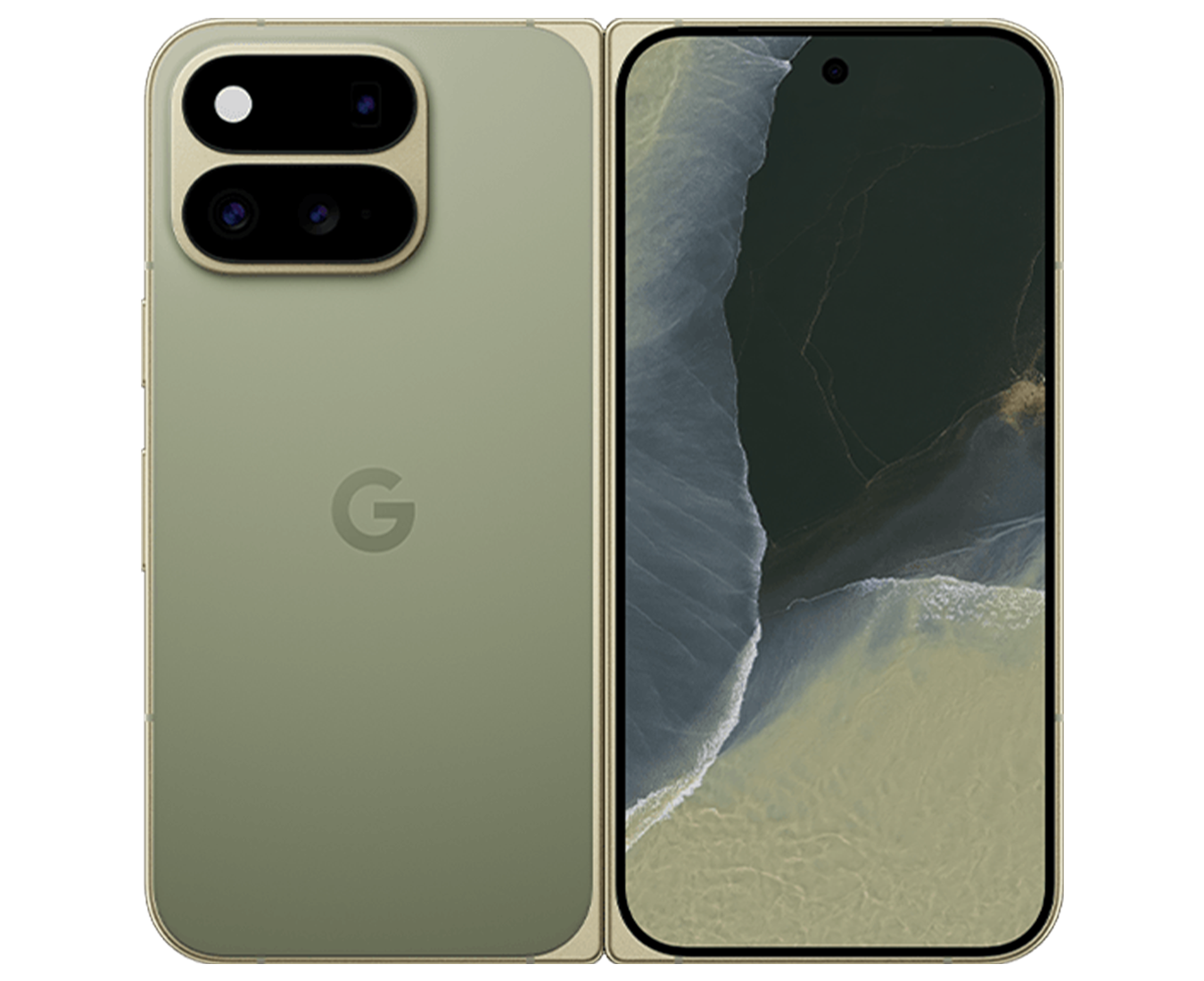
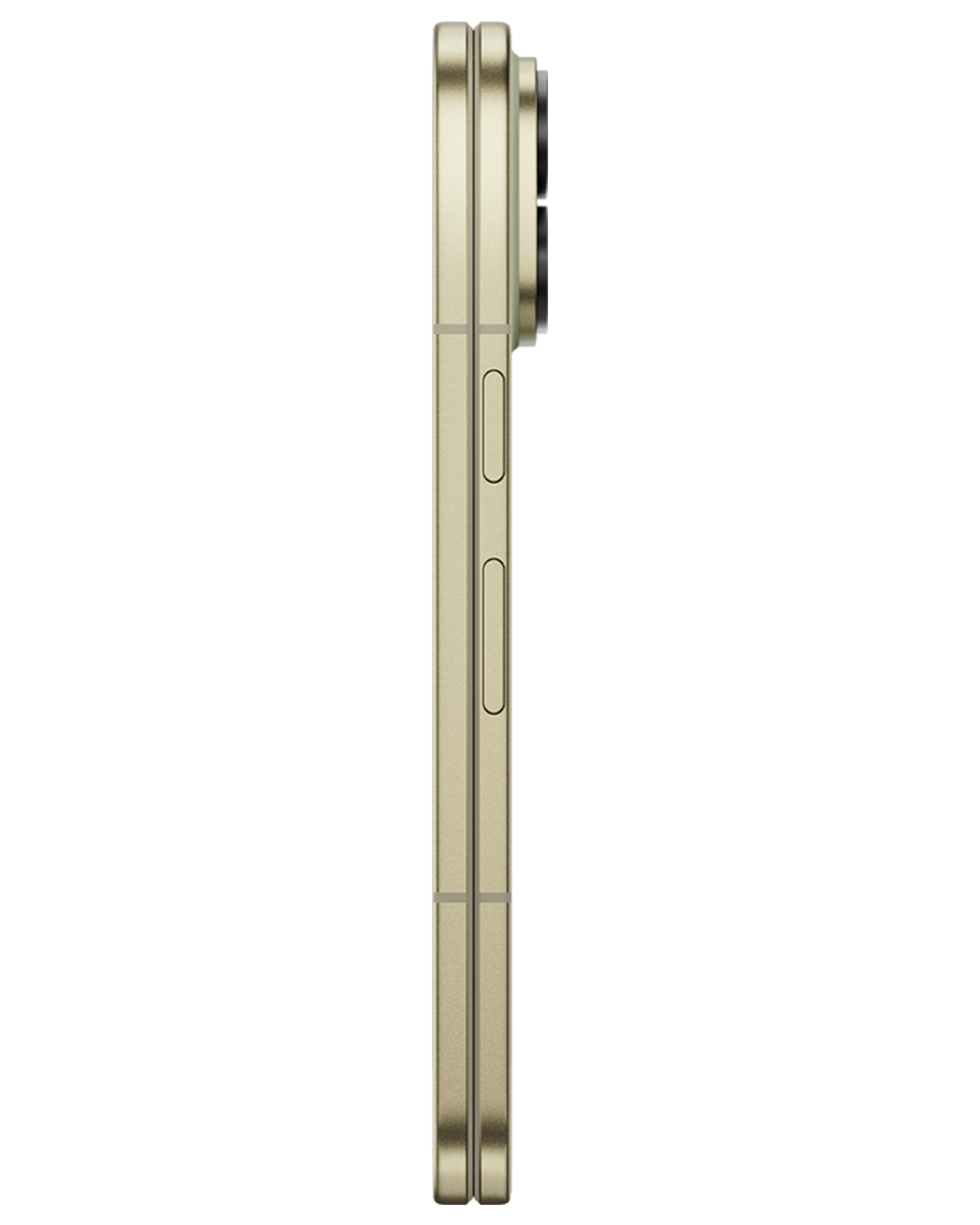
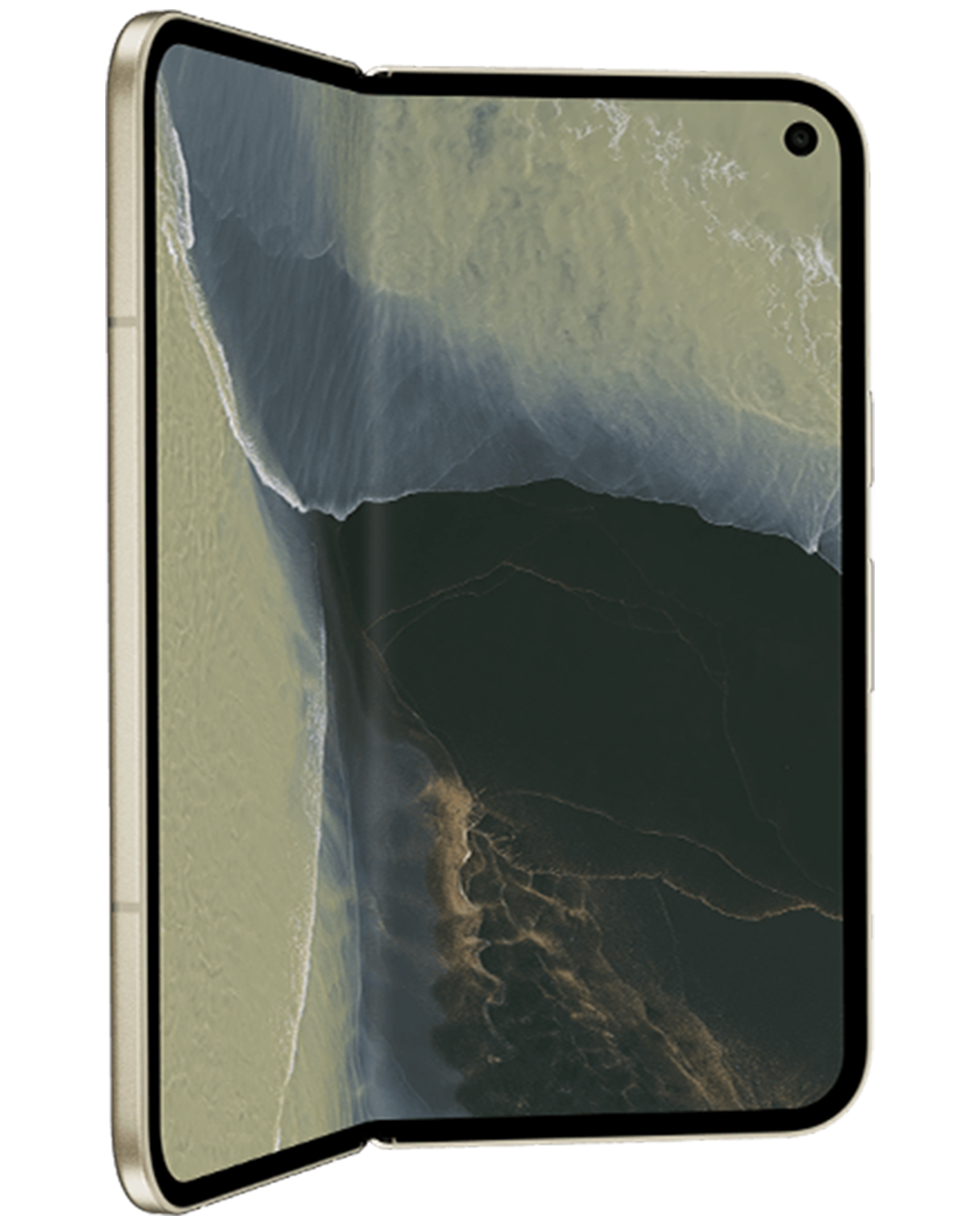
Google's 11 Pro Fold is the quiet overachiever. Its 8.0-inch inner display is one of the largest here, the cameras, a 48MP main with a 5x optical telephoto, are genuinely excellent, and the Tensor G6 chip powers the deepest set of on-device AI tricks of any phone today, from live translation to photo editing that borders on wizardry.
Where it gives ground is raw performance and charging: Tensor prioritises AI smarts over benchmark-topping speed, and wired charging is slower than Samsung's. But if photography, software and screen size top your list, the Pixel is the fold to beat.
| Displays | 8.0" inner | 6.5" outer |
| Chip | Google Tensor G6 |
| Cameras | 48MP + 10.8MP (5x) + 10.5MP ultrawide |
| Battery | 4806mAh | 30W wired |
| From | £1,600 (256GB) |
- Large inner display
- Brilliant cameras with true 5x zoom
- Class-leading AI
- Tensor trails Snapdragon on raw power
- Slower charging
Apple iPhone Duo
The newcomer, and the only fold that runs iOS
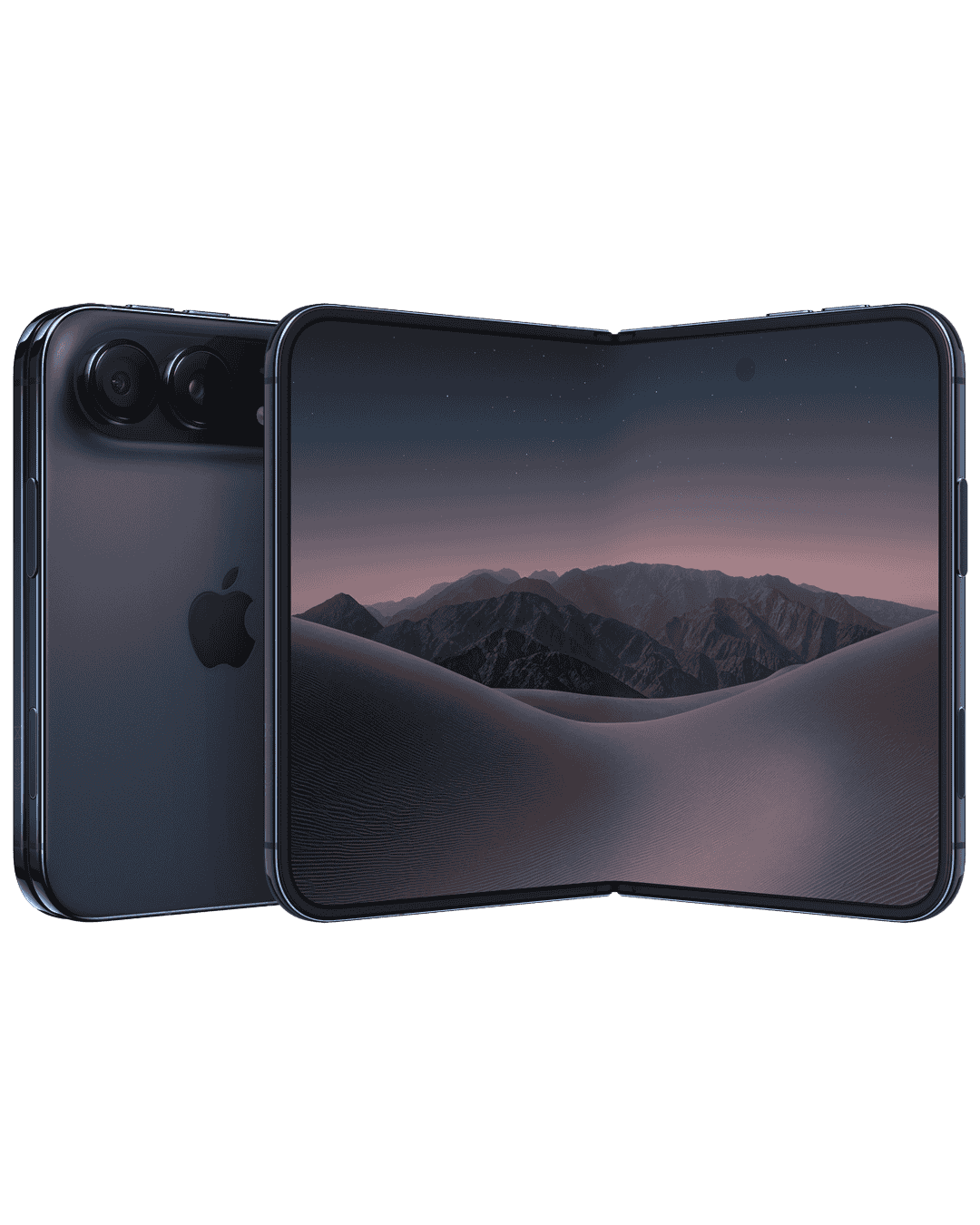


The headline act. After years of rumours, Apple's first foldable the Duo pairs a 7.6-inch inner display with a 5.4-inch outer screen that behaves almost exactly like a normal iPhone when the phone is shut. It's built from Grade 5 titanium with Ceramic Shield 2, runs the same A20 Pro chip as the iPhone 18 Pro Max, and ships with a version of iOS 27 reworked for the bigger canvas, including Split View multitasking. Pre-orders open on 16 October, with the phone landing on 23 October, from £1,999 in the UK for the 256GB model.
Its trump card is obvious: if you already live in Apple's world, this is the only fold that keeps your apps, messages, watch and AirPods exactly where they are. The honest caveat is that it's a first-generation product, folding hardware and fold-aware apps take time to mature, and Android's folds have a multi-year head start. It also sits at the very top of the price ladder and sticks to only two rear cameras.
| Displays | 7.6" inner | 5.4" outer |
| Chip | A20 Pro | iOS 27 |
| Cameras | 48MP main (2x telephoto) + 48MP ultrawide |
| From | £1,999 (256GB) | out 23 October |
- The only iOS fold
- Flagship A20 Pro power
- Premium titanium build
- Outer screen that works like a normal iPhone
- Gen-one product
- Highest starting price here
- Fewer fold-optimised apps at launch
- Only two rear cameras
The flip folds: a normal phone that shrinks to fit
Clamshell folds take a full-size phone and fold it in half, so it slips into the smallest pocket. They're the more affordable, more fashion-led side of the market, and, for now, one Apple has left entirely to Android.
Samsung Galaxy Z Flip 8
The clamshell, pocketable with flagship power
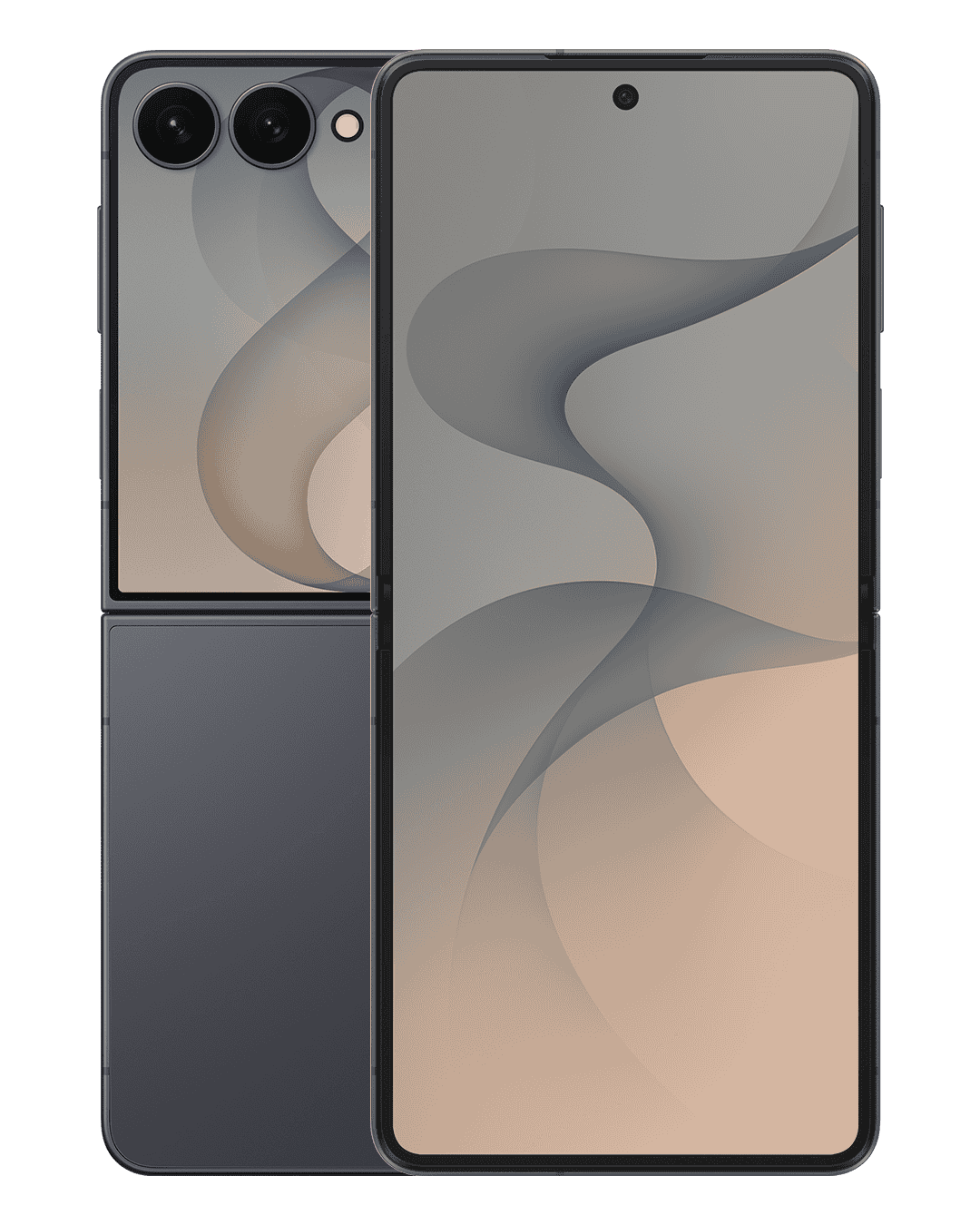
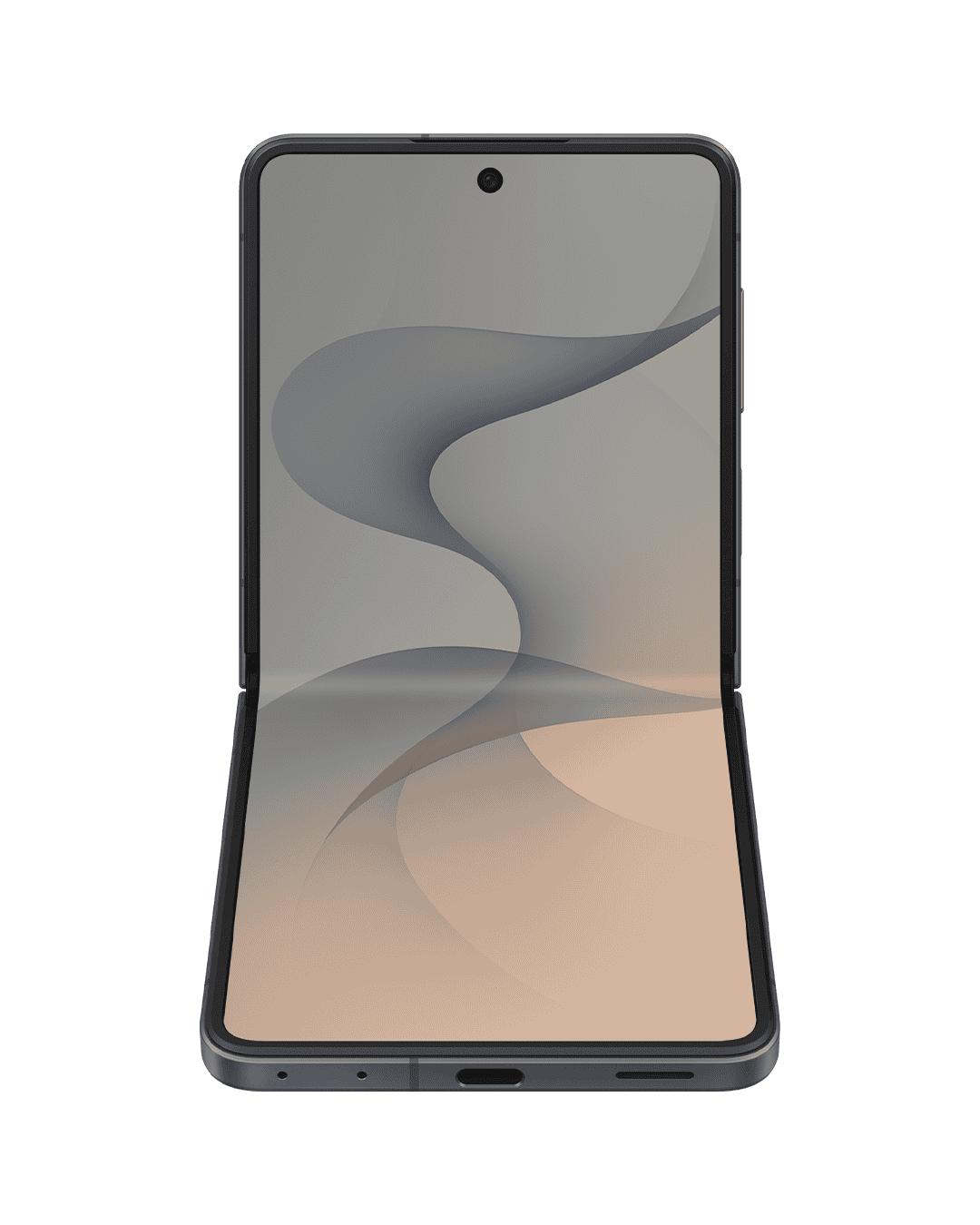
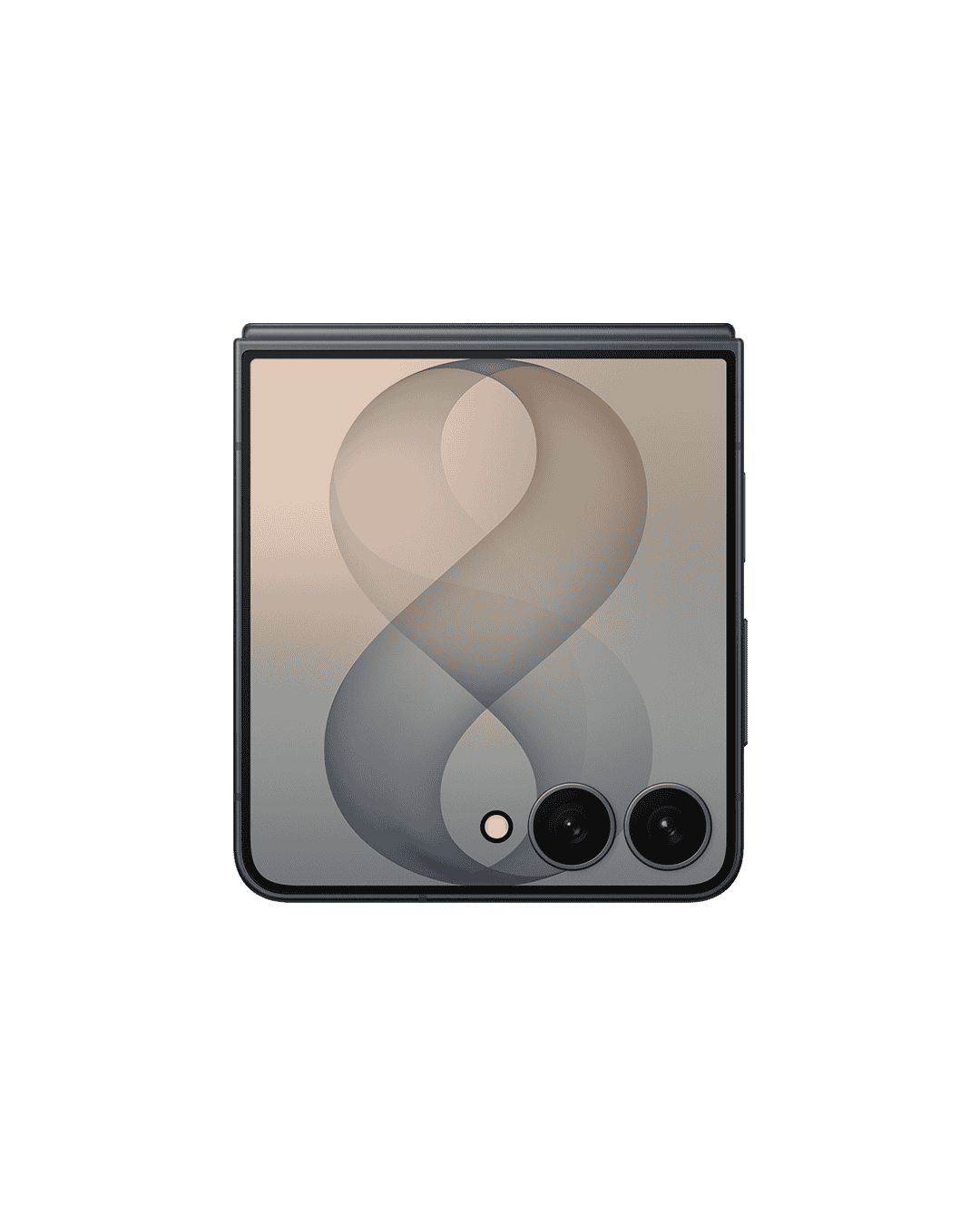
The Flip 8 is the safe clamshell choice. A 6.9-inch inner screen flips down to something you can palm, the 4.1-inch cover display now does enough that you can reply to messages and check maps without even opening the phone, and the Snapdragon 8 Elite Gen 5 gives it genuine flagship speed.
Compromises come with the shape: the 4,300mAh battery is smaller than any book fold's, there are only two cameras, and it's still a flagship-priced phone at around £880.00. But as an everyday phone that vanishes into a pocket, it's hard to fault.
| Displays | 6.9" inner | 4.1" cover |
| Chip | Snapdragon 8 Elite Gen 5 |
| Cameras | 50MP + 12MP ultrawide |
| From | £880.00 |
- Genuinely pocketable
- Useful big cover screen
- Flagship performance
- Mature software
- Smaller battery than any book fold
- Only two cameras
- Still priced like a flagship
Motorola Razr
The style-led, value flip alternative


Motorola's Razr is the flip that leans into fun. Its large edge-to-edge cover display is one of the best in the business for using the phone shut, the retro-tinged design and bold colours stand out next to Samsung's more sober look, and, importantly, it's usually the most affordable way into a flip. There's a step-up Ultra model for those who want flagship internals.
Where it trails is the fine detail: cameras and long-term software updates don't quite match Samsung, and the entry-level model's performance sits a notch below the flagships. For most people chasing a stylish, wallet-friendly flip, though, it's the obvious rival to the Z Flip.
| Displays | Razr 6.9" inner | 3.6" cover; Ultra 7.0" inner | 4.0" cover |
| Chip | Razr: MediaTek Dimensity 7450X | Ultra: Snapdragon 8 Elite |
| Cameras | 50MP + 50MP ultrawide (both models) |
| Battery | Razr 4,800mAh (30W) | Ultra 5,000mAh (68W) |
| From | £750 (Razr) | £1,200 (Ultra) |
- Best value in flips
- Standout design and colours
- Superb usable cover screen
- Flagship internals on the Ultra
- Cameras and software support trail Samsung
- The base model's chip is a step behind flagships
So, the question is, book or flip?
Before you pick a brand, pick a shape. Choose a book fold if you want a phone that doubles as a small tablet, for reading, working across two apps at once, editing documents or watching a lot of videos. You'll carry more bulk and pay more, but you get a screen no ordinary phone can match.
Choose a flip if your priority is a phone that's easy to carry and a little bit of fun, one that shrinks to fit a small bag or jeans pocket, with a cover screen for quick glances. You give up the tablet-sized display and some battery, but flips are lighter on both your pocket and your wallet.
So which foldable should you buy?
There's no outright winner here, and that's the point. The right fold or flip depends entirely on what you value. If you want the most polished, most app-ready big fold and don't want to gamble, the Samsung Galaxy Z Fold 8 is the safe all-rounder. If cameras, screen size and AI matter most, the Google Pixel 11 Pro Fold quietly does more than almost anything else. For a pocketable everyday phone, the Galaxy Z Flip 8 and the Motorola Razr cover the premium and value ends of the flip market respectively.
And the iPhone Duo? It's the most important launch of the year simply because it exists, millions of iPhone owners now have a fold that keeps them in iOS. It's the natural choice if leaving Apple's ecosystem was the only thing holding you back. Just go in clear-eyed: it's a first-generation phone at a first-generation price, and the Android folds it's up against have had years to iron out the creases. Exciting, yes; automatically the best, no.
Shop the latest phones at Mozillion
Whichever way you fold it, Mozillion has the phones to match, refurbished and brand new, across every major brand. Apple's newly launched iPhone 18 line, including the iPhone 18 Pro, Pro Max and the Duo, is joining our range alongside the latest from Samsung and Google, so you can compare them side by side rather than take our word for it.
Shop all phones