
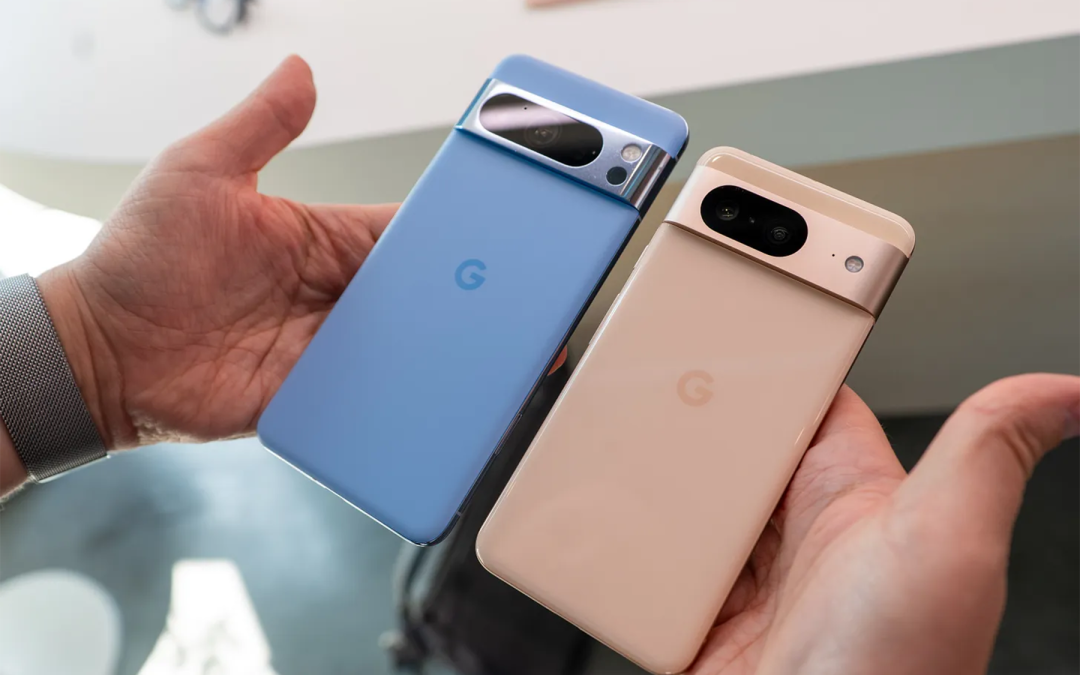
The Google Pixel 8 and Pixel 8 Pro continue Google’s focus on AI-powered photography and clean, intuitive software. The Pixel 8 offers a compact, capable option for most users, while the Pixel 8 Pro adds subtle improvements in display, cameras and software, appealing to those who want extra flexibility and higher end features. But which model is the better choice for you? Is the standard Pixel 8 sufficient, or do the Pro’s enhancements justify the extra cost? This comparison will help you decide.
Pixel 8 vs Pixel 8 Pro - Build & Design
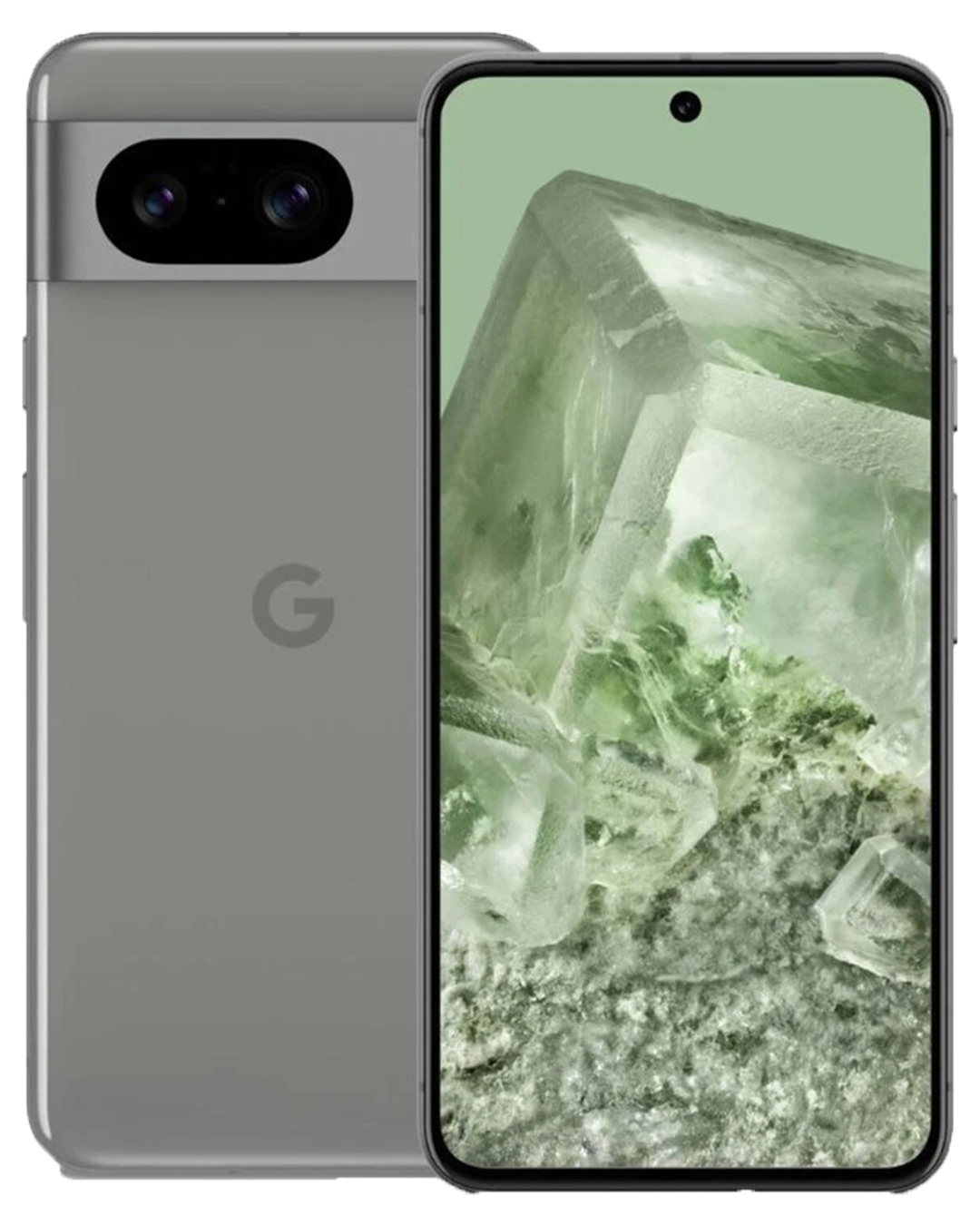
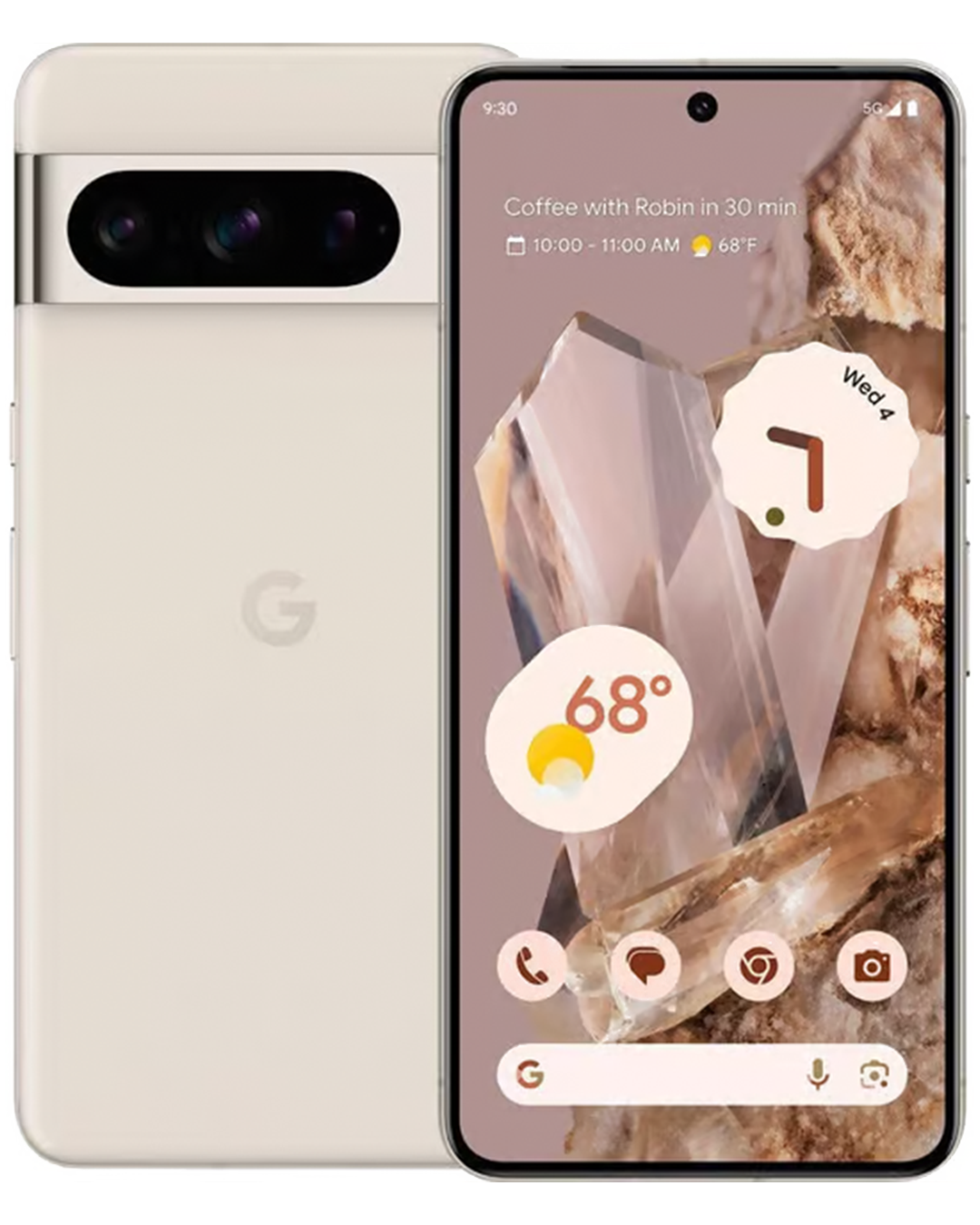
The Pixel 8 features a matte aluminium frame with Gorilla Glass Victus 2 on the front and back, providing a solid yet lightweight feel. The Pixel 8 Pro uses similar materials but feels slightly more premium thanks to its polished finish, gently curved edges and slightly larger footprint. Both devices are IP68-rated for dust and water resistance. Despite its larger size, the 8 Pro’s design is subtly more refined and comfortable to use with one hand.
Pixel 8 vs Pixel 8 Pro - Display
The Pixel 8 features a 6.2-inch OLED display with a smooth 120 Hz refresh rate, sharp colours and good brightness indoors. The Pixel 8 Pro takes this further with a 6.7-inch LTPO OLED display, offering adaptive refresh rates from 1–120 Hz, higher peak brightness and improved outdoor visibility. Both screens are vibrant and responsive, but the Pro’s larger, brighter panel provides a more immersive viewing experience, particularly for media and gaming.
Pixel 8 vs Pixel 8 Pro - Camera & Video
Both phones showcase Google’s strengths in computational photography. The Pixel 8 has a dual-camera setup with a 50 MP main sensor and an ultra-wide lens, capturing sharp, well-balanced images with excellent AI-assisted processing for night and low-light shots. The Pixel 8 Pro adds a telephoto lens and slightly improved main sensor processing, offering better zoom performance and enhanced detail in challenging lighting. Both models record 4K video at 60fps smoothly, though the Pro benefits from slightly better stabilisation and more consistent colours.
Pixel 8 vs Pixel 8 Pro - Processor
The Pixel 8 and Pixel 8 Pro are both powered by Google’s Tensor G3 chip. Geekbench 6 scores for the Pixel 8 are around 1601 single-core and 3951 multi-core, while the Pro achieves similar performance thanks to the same chipset, but benefits from improved thermal management and software optimisations. Both phones handle AI features, multitasking and daily apps smoothly. The Pro feels slightly more consistent under prolonged heavy use, though the difference is subtle in everyday scenarios.
Pixel 8 vs Pixel 8 Pro - Battery Performance
The Pixel 8 has a slightly smaller battery than the 8 Pro, but both devices easily last a full day under moderate to heavy use. The 8 Pro benefits from a slightly larger cell and more efficient adaptive refresh rate management, allowing it to stretch a little further under mixed use scenarios. Both phones support fast wired and wireless charging, making daily top ups convenient.
Pixel 8 vs Pixel 8 Pro - Storage
he Pixel 8 is available with 128GB or 256GB of storage and 8GB of RAM. The Pixel 8 Pro starts at 256GB, with options up to 1TB, paired with 12GB of RAM. This extra storage and memory make the Pro better suited to users who manage large media libraries, multitask heavily, or run AI-intensive apps. Both phones include Google’s security features and cloud integration.
Pixel 8 vs Pixel 8 Pro - Verdict
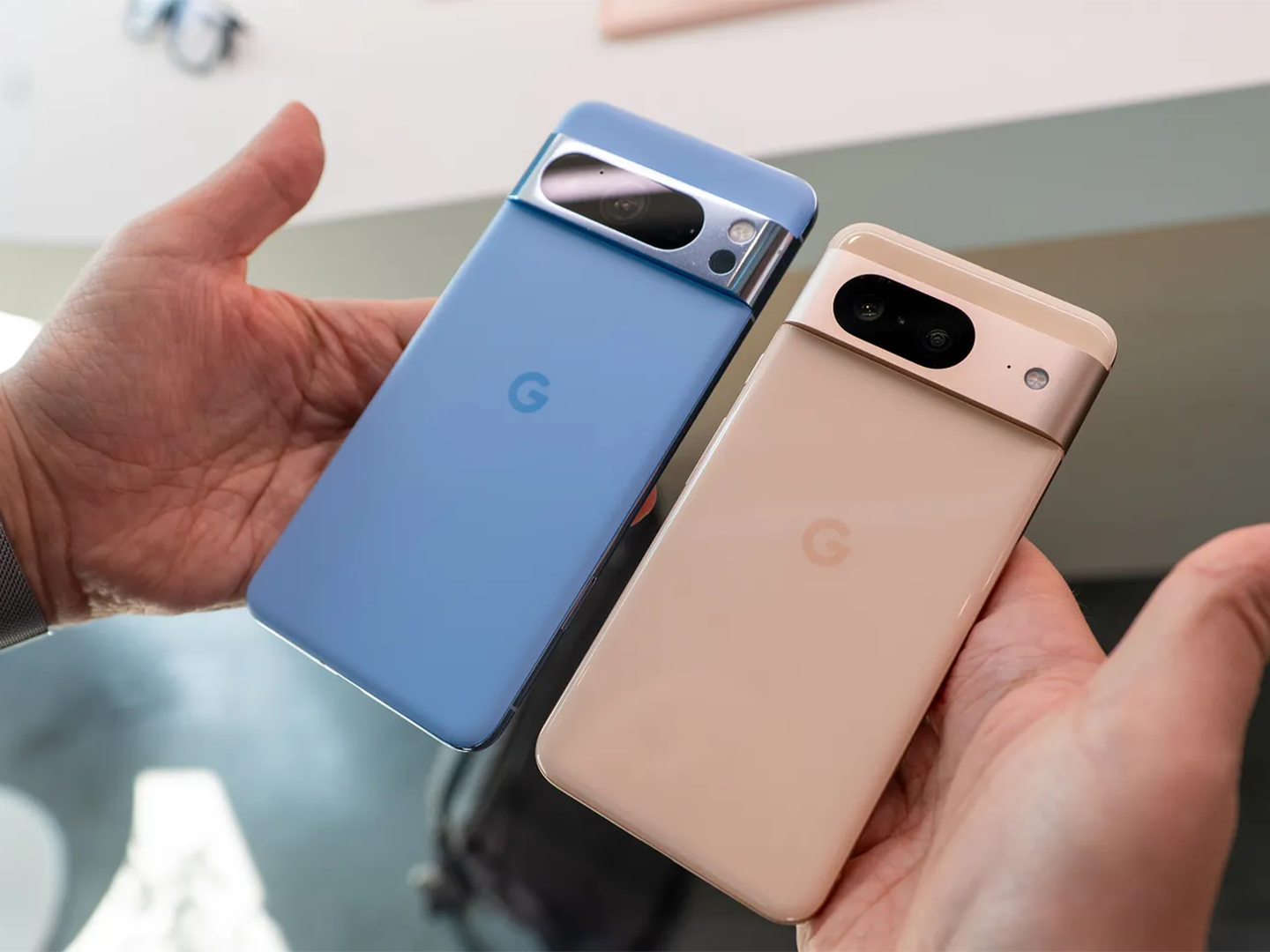
The Pixel 8 is an excellent choice for most users seeking a compact, capable phone with strong cameras and long-term reliability. The Pixel 8 Pro is better suited to those who want a slightly larger, brighter display, improved zoom capabilities, and higher-end specifications for multitasking and media. While the Pro feels more premium, the Pixel 8 remains highly capable for everyday use and is easier to handle.