Why Are Foldable Phones Suddenly So Popular?
Something shifted this year. Walk through any city centre and you'll spot them, someone unfolding a phone into a small tablet to read on the tube, someone snapping a Flip shut like it's 2004.
2026 is the year of the fold: the engineering got there, the prices started moving, and the one big holdout finally joined in.

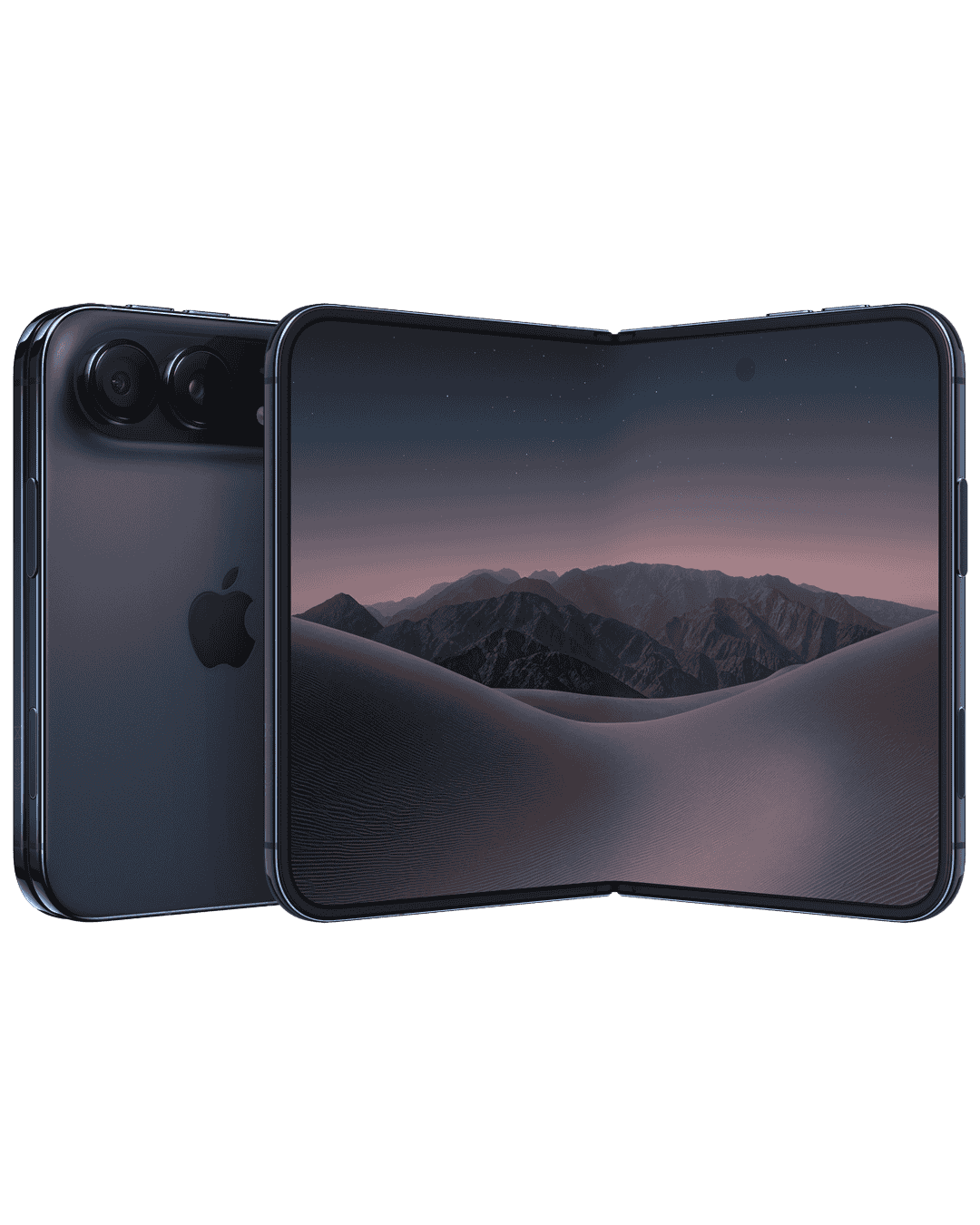
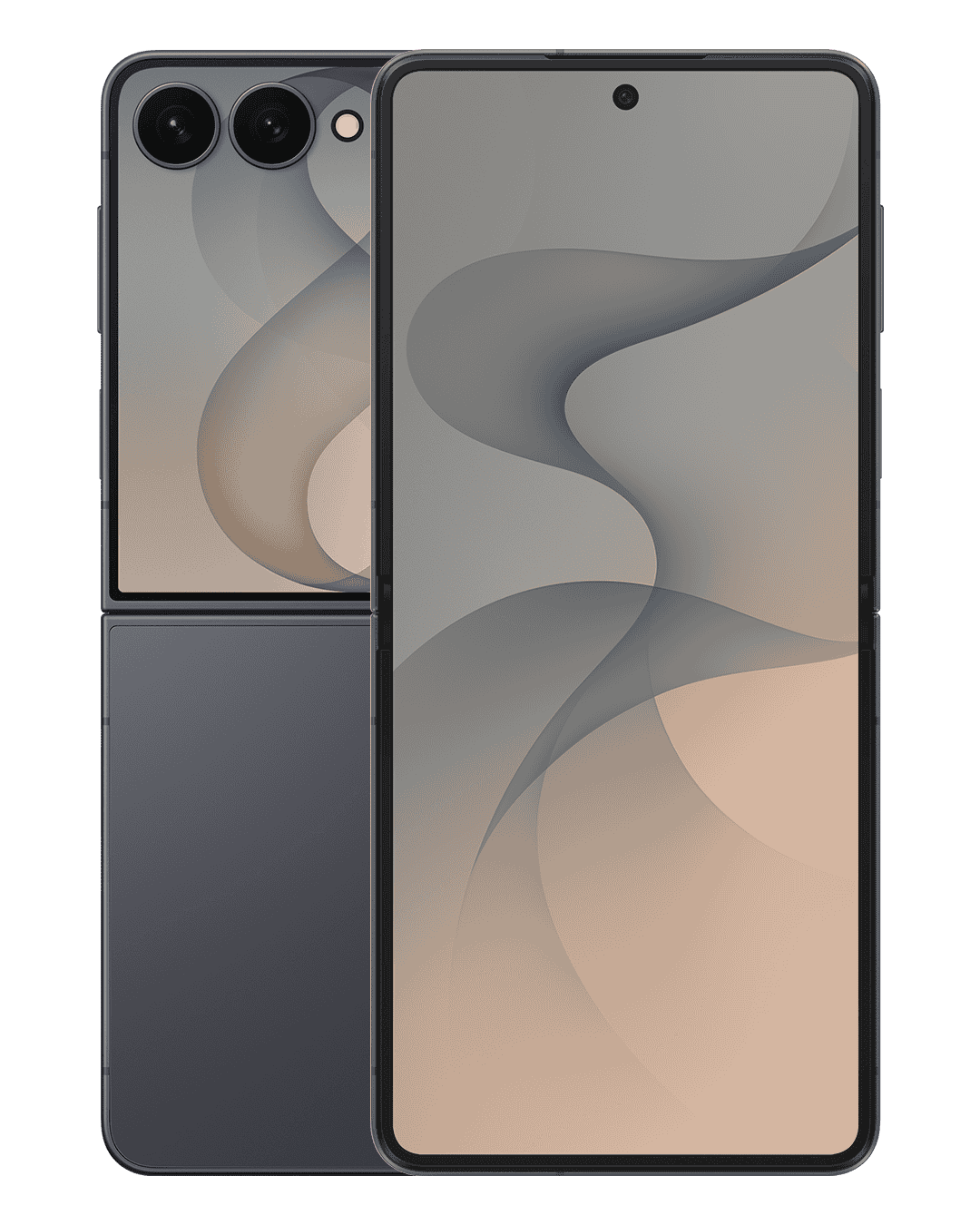
Foldable phones have come a long way
The first foldables asked a lot of you. Plastic screens you had to baby. Hinges that let dust in. A crease down the middle you could feel under your thumb. They were remarkable and slightly nerve-wracking, often in the same minute.
Now look at what's on sale. The Galaxy Z Fold 8, thinner than two £1 coins stacked on top of each other. Samsung slipped a titanium film beneath the panel, branded Flex Titanium, and reviewers are describing the crease as near enough invisible rather than "better than last year".
Apple went even further. The iPhone Duo measures, which makes it the thinnest device Apple has ever built. That's the leap. 6 years ago a foldable was a brilliant prototype you paid to test. Today it's simply a very good phone that happens to open.
Bigger screens without a bigger phone
This was always the promise. In 2026 it's finally delivered without an asterisk.
Closed, a Galaxy Z Fold 8 is a normal phone with a 5.5-inch cover screen, enough for a reply, a boarding pass, a contactless payment. Open it and you've got 7.6 inches. The iPhone Duo works the same way: passport-sized folded, then a display Apple calls the largest ever on an iPhone.
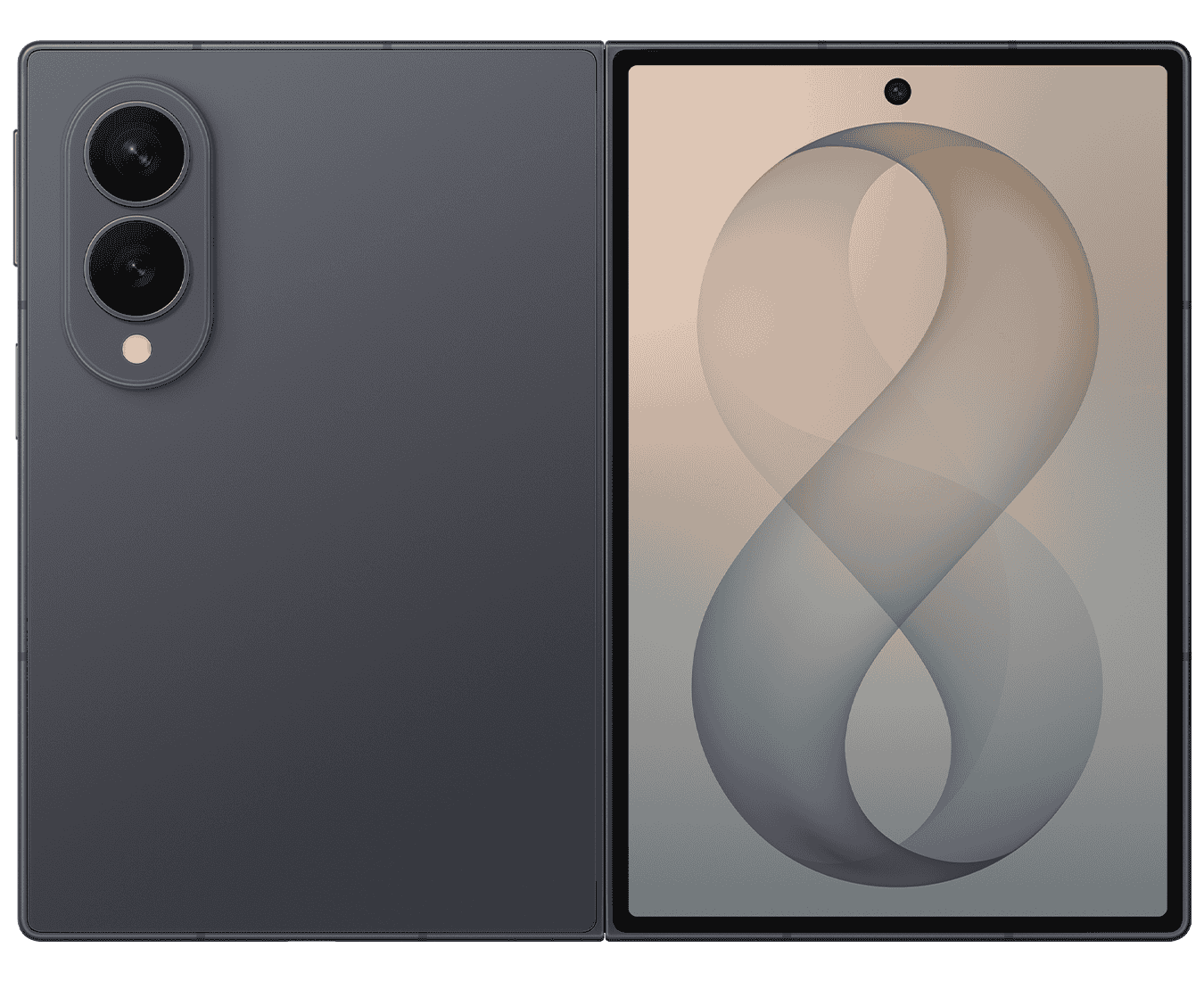
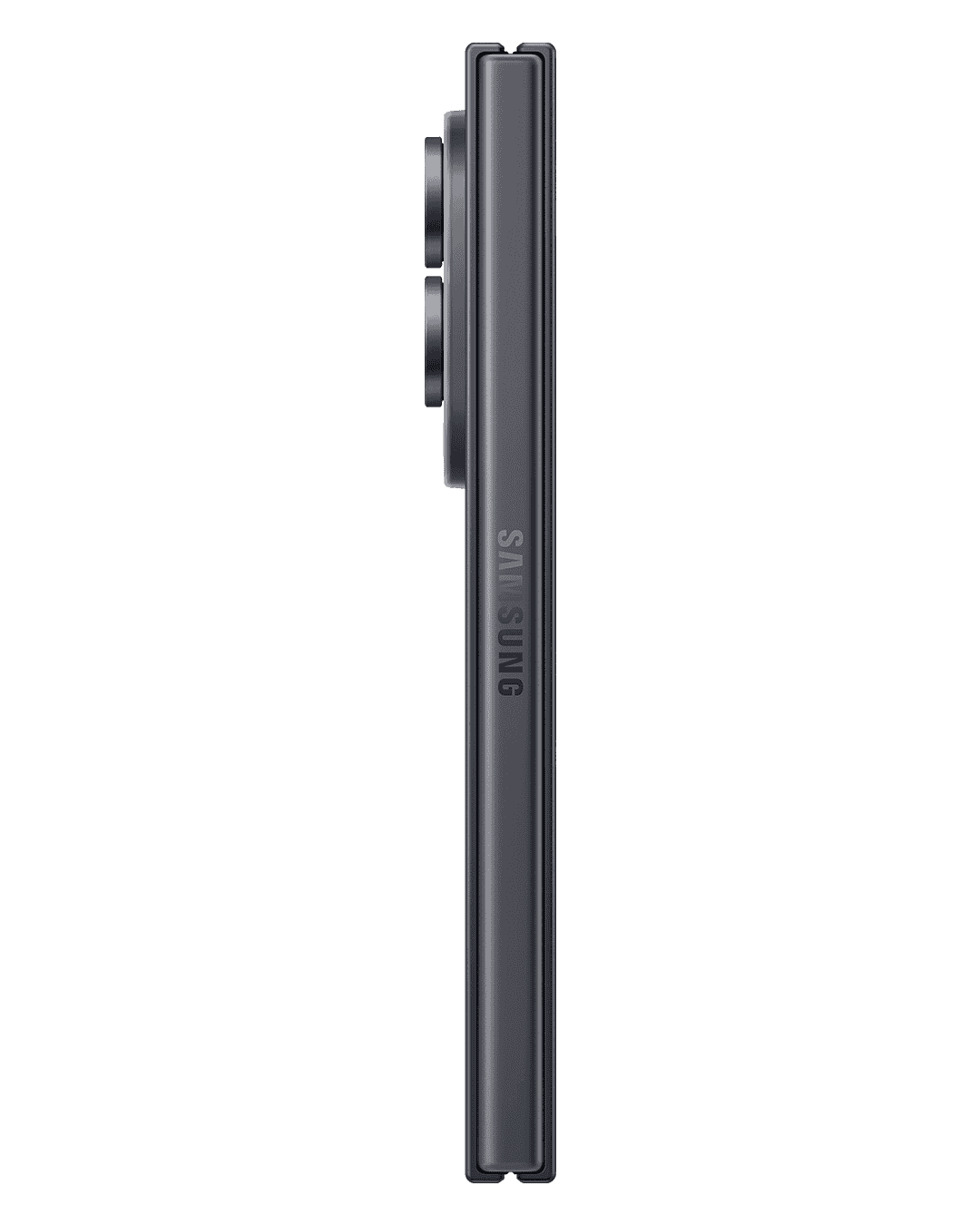

The clever bit is the shape. Samsung moved the inner screen to a 4:3 ratio, so open it reads like a paperback rather than a stretched phone. Web pages, PDFs, comics, recipes, match stats, they fill the screen instead of floating between black bars. It's the difference between a big screen and a useful big screen.
And Samsung's Galaxy Z TriFold shows where this goes next: a 6.5-inch phone that unfolds to a full 10 inches, at 3.9mm thick at its slimmest. That's a proper tablet, in a pocket.
Phones are becoming more versatile
Give people a screen this size and they find uses for it fast.
Two apps, side by side, full size: notes beside a browser, email beside a spreadsheet, WhatsApp beside a map. Football on half the screen and the group chat on the other. A recipe open while the timer runs. The iPhone Duo supports proper side-by-side multitasking, and, for the first time on any iPhone, the Apple Pencil, which tells you precisely what Apple thinks this device is for.


There's a neat bit of timing here too. Phone software has become far more assistant-driven, summaries, drafts, translations, suggestions, and all of that is better when there's room to show the answer next to the thing you were already doing. Foldables arrived at exactly the right moment.
The practical upshot: for a lot of people a foldable quietly replaces the tablet that's been flat under the sofa since Christmas.
More manufacturers are getting involved
For most of a decade, "foldable" meant "Samsung". That era is over, and the market is far more exciting for it.
Apple launched the iPhone Duo in September, with UK pre-orders from 16 October and phones in hands on 23 October, from £1,999. Google has the Pixel 11 Pro Fold. Motorola came in at $1,899.99 with the Razr Fold, deliberately undercutting Samsung. Oppo's Find N6 has been called the best foldable on the market outright. Honor and Huawei are iterating at a ferocious pace.
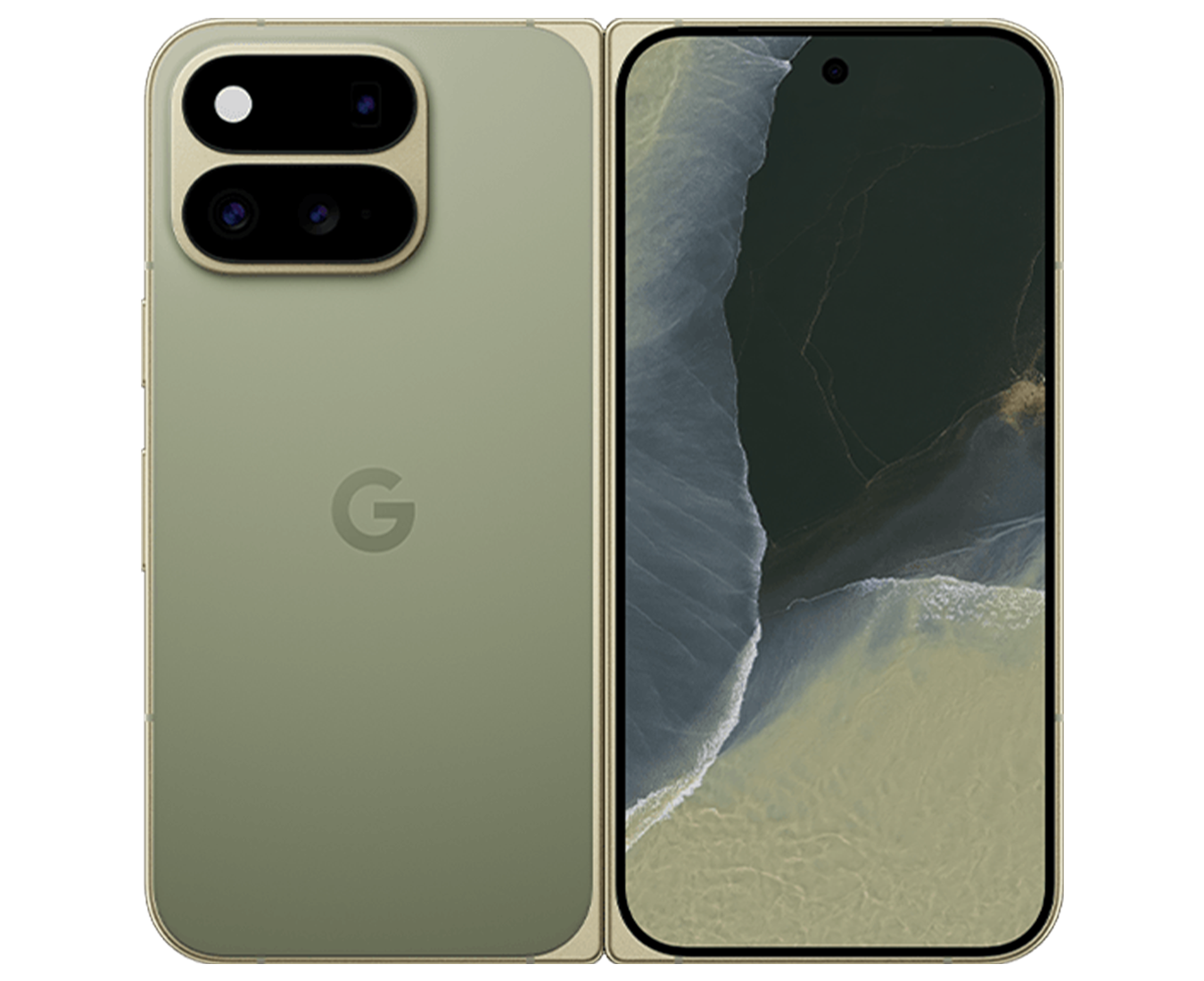
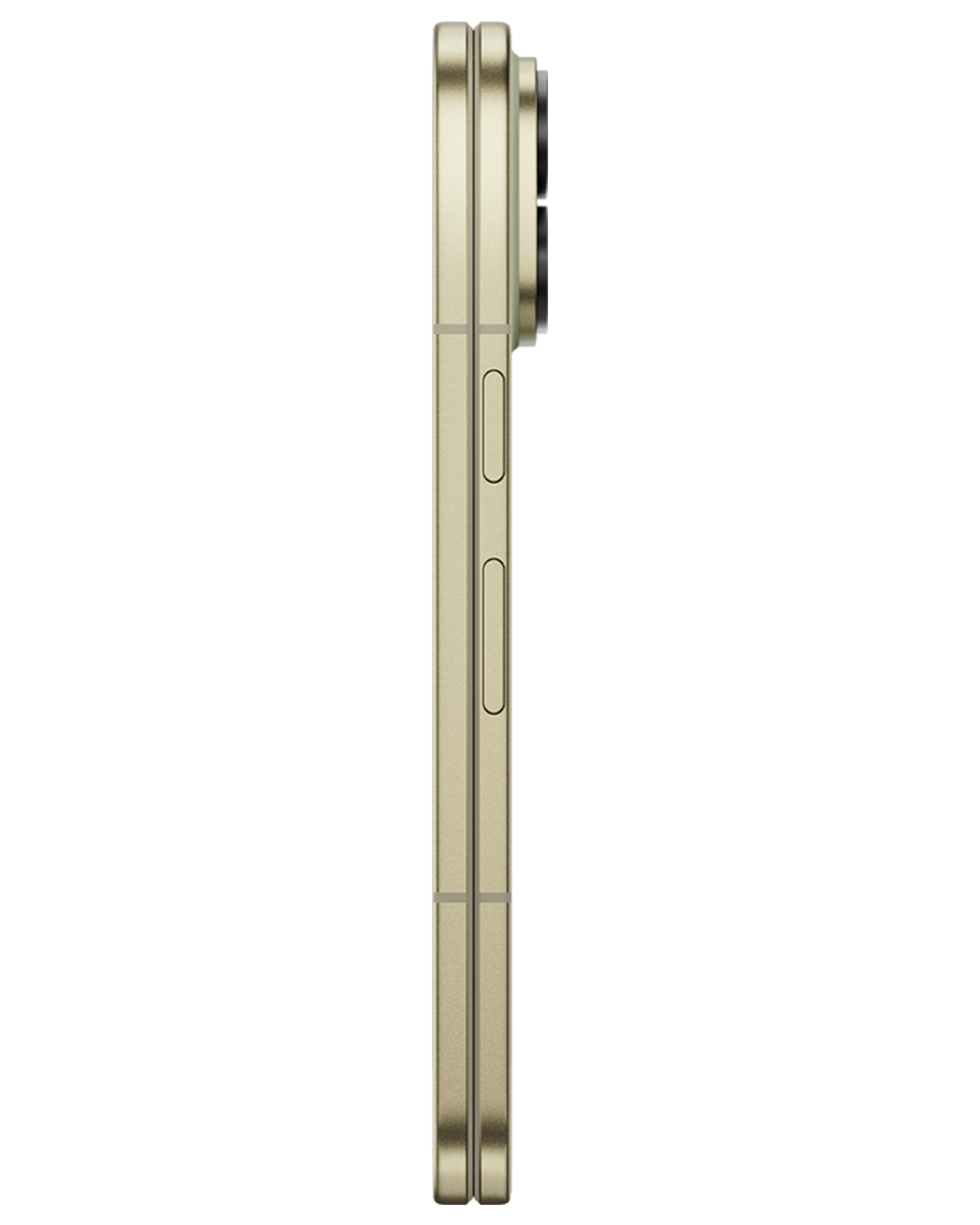
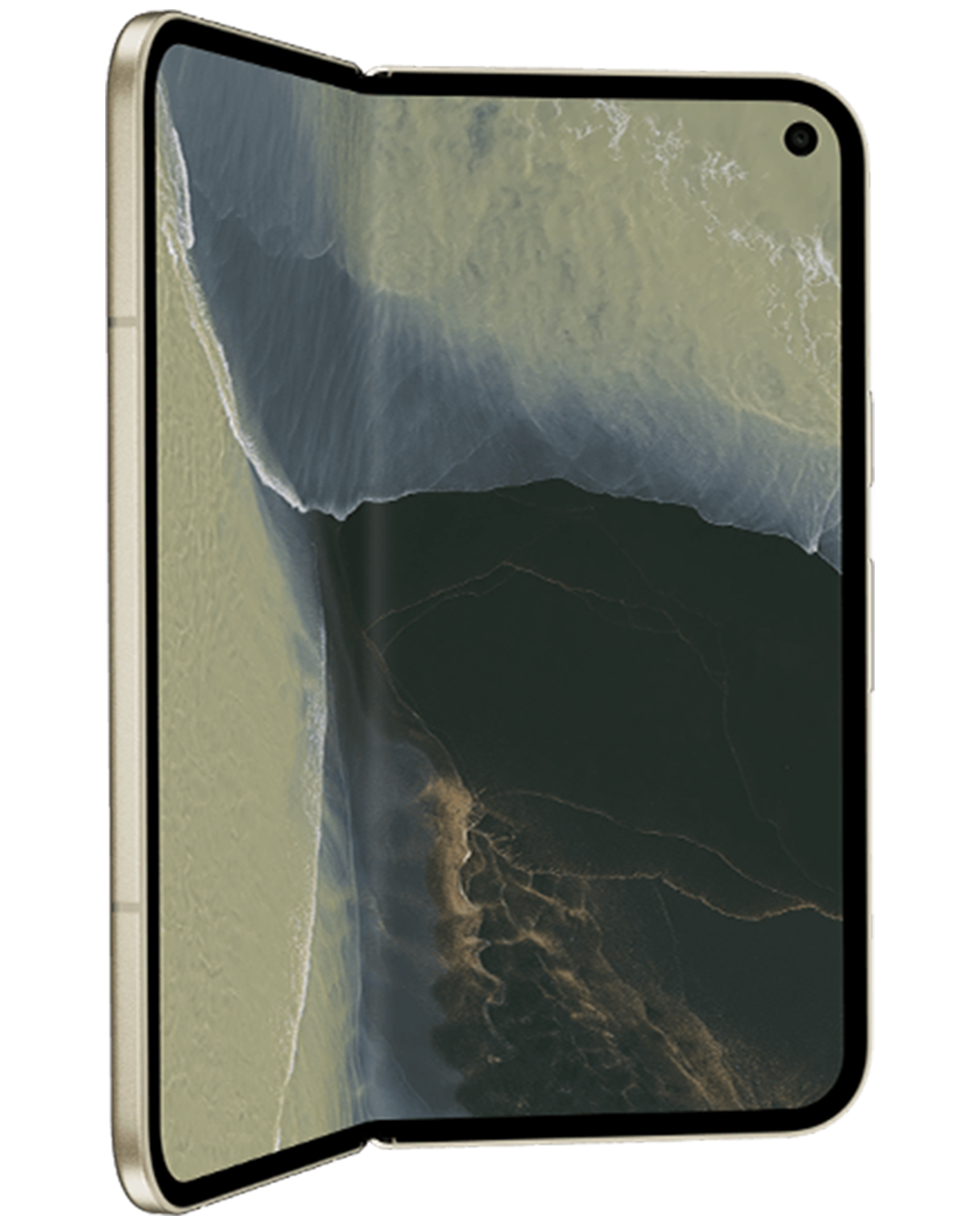
Counterpoint expects 2026 to land at roughly Samsung 38%, Apple 25%, Huawei 22%, a genuine three-way fight rather than one company and a queue behind it.
Competition is what drags prices down and pushes quality up, and there are now 6 serious companies racing each other on hinges, thinness and screens. Everybody buying a phone benefits from that, whether they buy a foldable or not.
Better cameras and performance
The old bargain was blunt: pick a foldable, accept a weaker camera, a smaller battery and last year's chip, because the hinge ate the room.
Not anymore. The Z Fold 8 runs a Snapdragon 8 Elite Gen 5 with 12GB of RAM, twin 50MP cameras and a 4,800mAh battery. The iPhone Duo runs Apple's A20 Pro with dual 48MP cameras, an AI-assisted Smart Take mode and a claimed 24 hours of mixed use across both displays. The Z TriFold carries a 200MP main sensor and a 5,600mAh battery in a body 3.9mm thick.
Look at that list again. Flagship silicon, flagship sensors, all-day-and-then-some battery, in a phone that folds in half. The compromise everyone used to warn you about has quietly stopped existing.
The appeal of having something different
Let's be honest, part of this is just that foldables are fun, and phones haven't been fun for a while.
Slab phones have looked essentially the same since 2017. A foldable transforms in your hand. Flips snap shut with a click that lands somewhere between satisfying and nostalgic. Folds open like a book. People notice them, ask about them, want a go on them, and that hasn't been true of a phone in years.
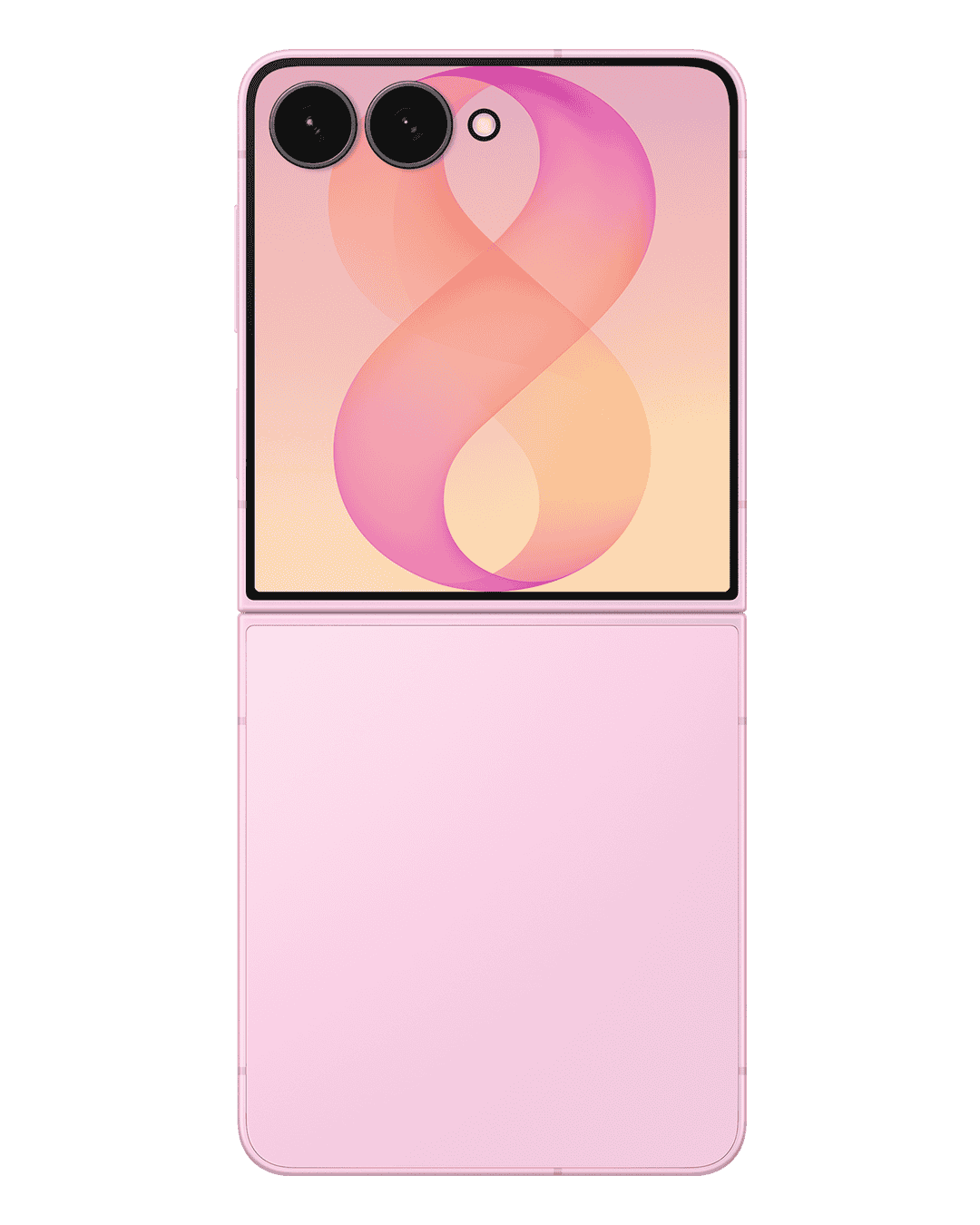
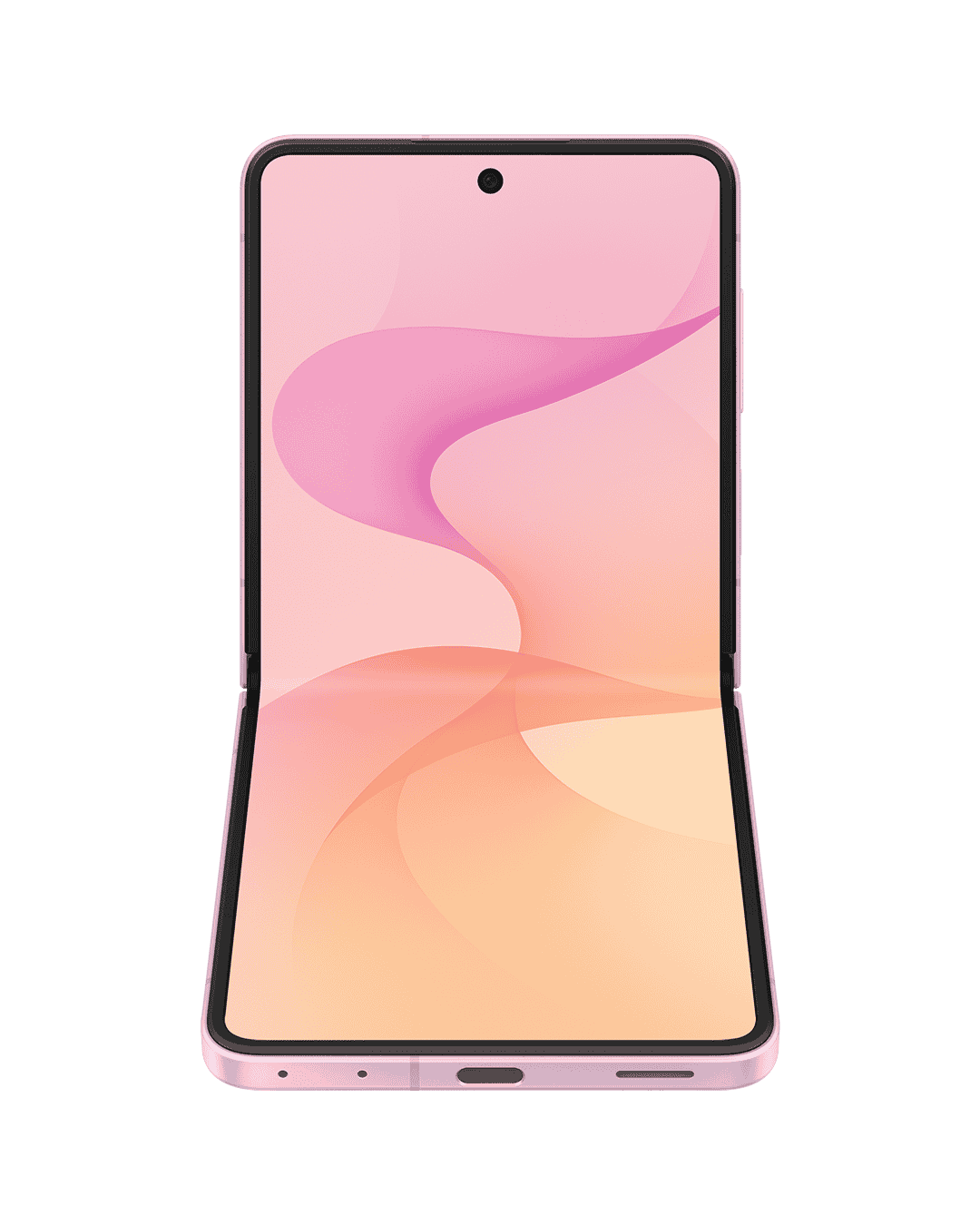
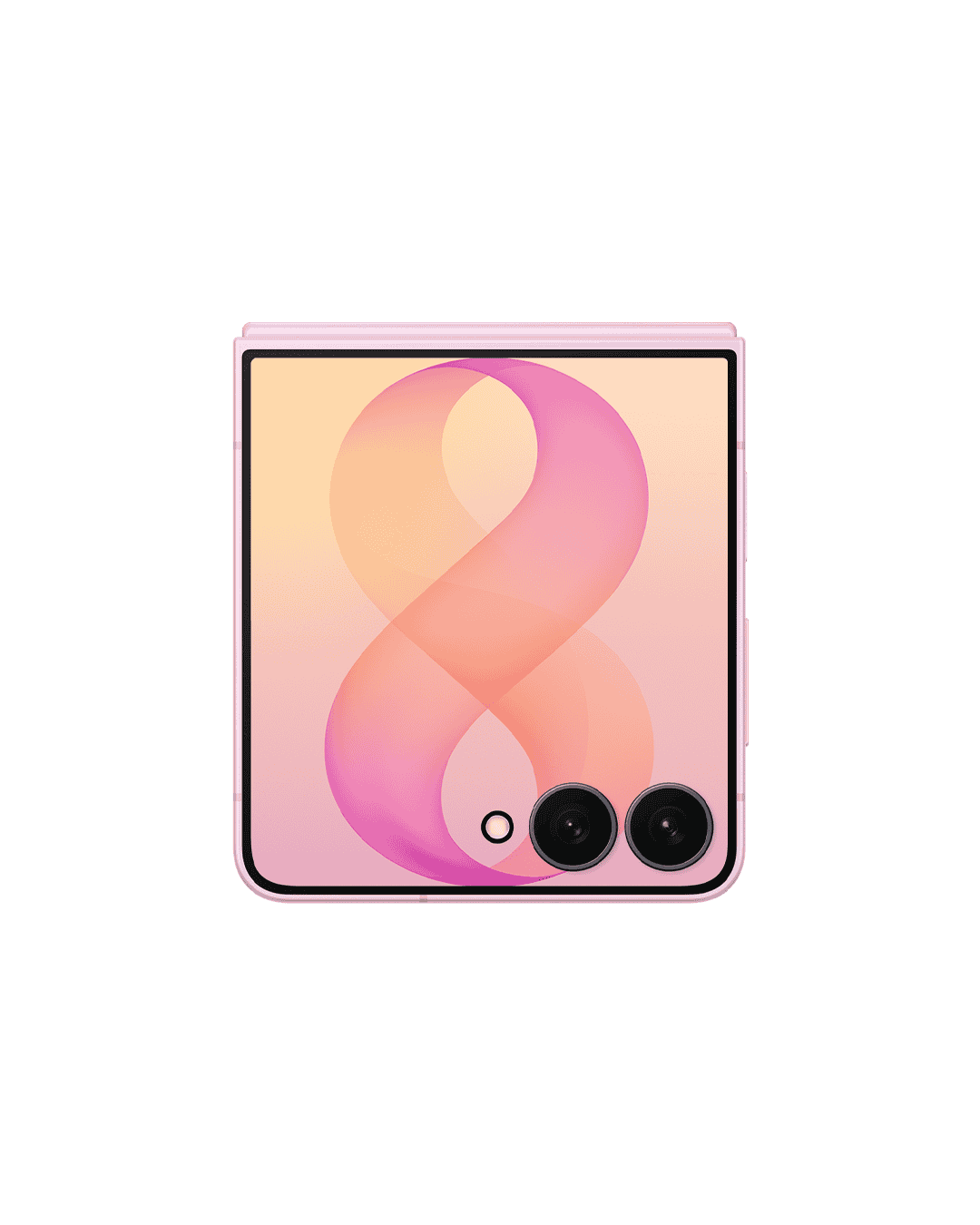
Samsung's numbers show it converting around 30% of Galaxy Z Flip 8 buyers switched from a rival brand, most of them buying their first foldable, and 3x as many Flip owners are now upgrading to a Fold as last generation. People try one out of curiosity and stay because it turns out they like it.
Desirability sells phones. Foldables have it in a way nothing else on the shelf does.
Are foldable phones finally becoming mainstream?
Here's the exciting part: every arrow is pointing the same way.
Foldables will cross 100 million cumulative shipments by the end of this year. Counterpoint has the category growing around 20% in 2026 and 37% in 2027, its strongest run since 2022. In Europe, Samsung says Z Fold 8 sales are 50% ahead of the Z Fold 7, with 60% more iPhone users switching across than last generation. And Apple hasn't even shipped yet; Counterpoint expects it to take roughly 40% of the foldable market in 2027.
Foldables are still about 2% of all smartphones sold, which is precisely why this is the interesting moment. A category growing this quickly from a base this small is one at the start of its run, not the end. Apple showing up has historically been the starting gun: it happened with tablets, it happened with smartwatches, and it's happening here.
And you don't have to wait for the prices to fall to get involved, because they already have where it counts. That's how most people will get their first foldable, and it's a brilliant way in.
The technology has arrived. The choice has arrived. Foldables aren't the future anymore. They're just phones, the best ones going.
Find your first foldable at Mozillion
The Galaxy Z Fold 8, Z Flip 8, Pixel 11 Pro Fold and the iPhone Duo are all on Mozillion, refurbished and brand new, so you can compare them side by side before you commit.
Shop all phones