iPhone 18: everything we know about Apple's strangest launch yet
Apple has confirmed 9 September. Three phones are expected on stage, a foldable is finally showing up, and the one most people were actually saving for has been quietly pushed to 2027. Here's the full picture.
Apple has invented the half-launch
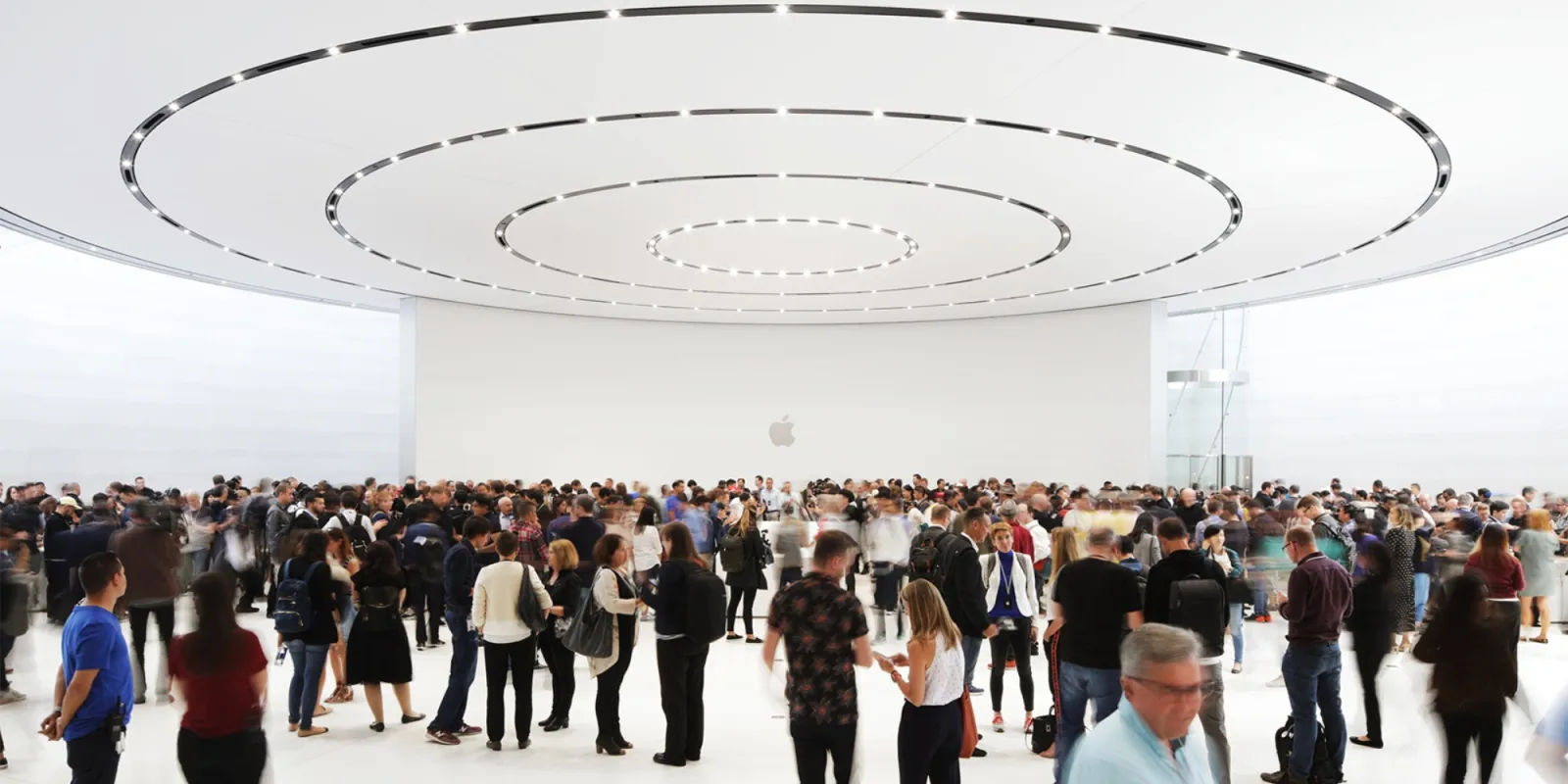
For roughly two decades, September meant one thing: Apple walks on stage, shows you every new iPhone, and you decide which one you're buying. That deal is off. On Wednesday 9 September Apple will hold an event at Apple Park under the tagline "Surprise and Shine" and it is widely expected to unveil the iPhone 18 Pro, the iPhone 18 Pro Max and, at long last, a foldable. What it is not expected to unveil is the iPhone 18.
Yes. The iPhone 18 launch, without the iPhone 18. Reports suggest the standard model, along with the 18e and the next Air, has been shifted to spring 2027 — the first time Apple has split its iPhone line across two separate launches. If you're the kind of person who buys the normal one because the Pro is a silly amount of money, you've just been asked to wait about six extra months.
Below: what's actually coming in September, what's leaked about it, what it might cost, and whether any of this should change what you do with your current phone.
- Apple event confirmed for Wednesday 9 September, 10am Pacific — 6pm UK
- Expected on stage: iPhone 18 Pro, iPhone 18 Pro Max and Apple's first foldable
- Standard iPhone 18, 18e and the next Air are reported to be moving to spring 2027
- A20 Pro chip on a 2nm process, a new C2 modem and a variable aperture main camera lead the upgrades
- Under-display Face ID still isn't ready — but the Dynamic Island may shrink by around a third
- Analysts are bracing for a meaningful price rise, driven largely by memory costs
9 September, and what usually happens next
Apple has invited press to Apple Park in Cupertino for Wednesday 9 September at 10:00am Pacific, which is 6:00pm in the UK. The tagline is "Surprise and Shine", which tells us precisely nothing, as is traditional.
Apple hasn't published on-sale dates, but the pattern rarely varies: pre-orders open the Friday after the keynote and the phones land in shops the following Friday. Apply that here and you're looking at pre-orders around 11 September and phones in hands around 18 September. Treat those two as educated guesses rather than gospel.
Why the iPhone 18 has been pushed to 2027
This is the story of the launch, and it's a genuinely strange one. Multiple reports — including supplier-side chatter that has been corroborated more than once — point to the standard iPhone 18 skipping September entirely and arriving in spring 2027 instead. The 18e is expected to travel with it. The iPhone Air 2 reportedly moves to the same window, with the current Air staying on sale longer and settling into a slower, iPad Pro-style update cycle.
Apple's reasoning, as reported, is part practical and part theatrical. Practically, splitting the line eases pressure on a supply chain that is being squeezed hard by component costs. Theatrically, it fixes a problem Apple created for itself: when you put six phones on one stage, most of them get about ninety seconds and a slide.
"Launching six phones at once inevitably means some products receive far less attention than others. Separating the lineup gives Apple two opportunities each year to dominate the smartphone conversation."
Which is a very sensible argument, and also an argument that works out extremely well for Apple's margins. The phones staying in September are the expensive ones. The phones moving to spring are the cheap ones. You can hold both thoughts at the same time.
Two keynotes a year means two news cycles, two sets of headlines and breathing room for the cheaper models to be more than a footnote. It also spreads manufacturing load across the year rather than piling it into one brutal quarter.
If you want a normal iPhone at a normal price, September is now a shop window you can't buy from. Six extra months is a long wait when your current handset is on its last legs — and by spring, the "new" chip is already half a year old.
None of this is official. Apple has confirmed the date and nothing else. Until the keynote actually happens, the split launch remains a very well-sourced expectation rather than a fact — and Apple has surprised people before.
What's actually leaked about the Pro models

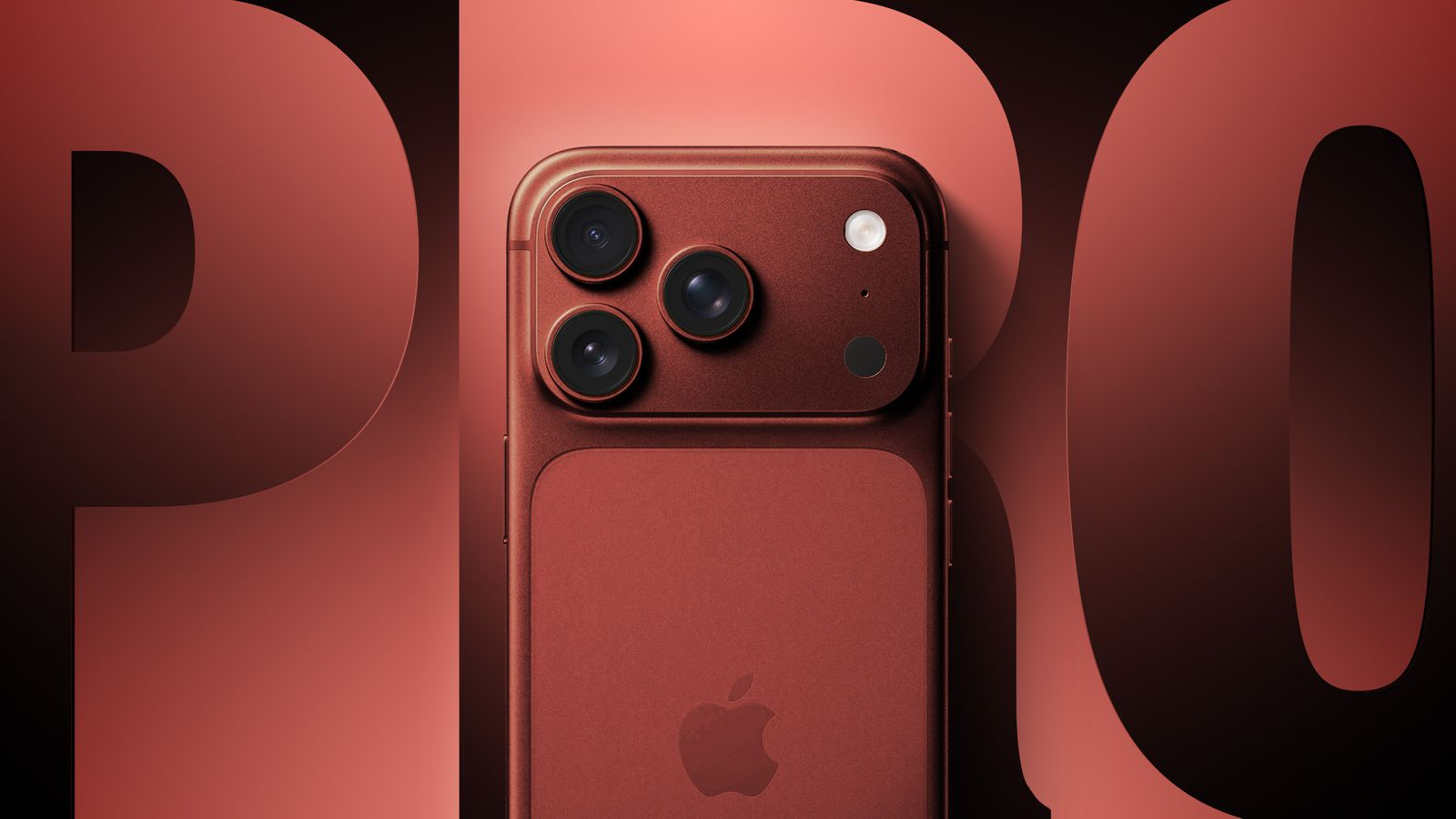
The Pro models are where the September attention goes, and thanks to a genuinely enormous supplier leak earlier this year, we know an unusual amount about them. Here's what's holding up.
The Dynamic Island shrinks (probably)
The headline change is smaller than the rumour mill originally promised. Under-display Face ID — the thing that finally kills the cutout — reportedly isn't ready. What we're getting instead is a Dynamic Island that shrinks by around 35%, from roughly 20.7mm to about 13.5mm. CAD schematics back this up; at least one well-known leaker insists the smaller island is actually an iPhone 19 feature. Pick your camp.
A variable aperture camera
The main camera is expected to gain a variable aperture, letting the lens physically open and close rather than faking depth in software. It's the sort of upgrade that sounds dull in a spec list and makes a visible difference in low light and portraits. Some reports suggest it may be Pro Max only, which would be a very Apple thing to do. A new Samsung three-layer stacked sensor is also in the mix, and the front camera is tipped to jump to 24MP across the range.
A20 Pro on 2nm
The A20 moves to TSMC's 2nm process, with claims of up to 18% more speed and around 30% better efficiency than the A19. In real-world terms that's mostly a battery story rather than a benchmark one, which is arguably more useful. A separate A20 Pro variant is expected for the Pro models.
Apple's own C2 modem
Apple's second-generation in-house modem is expected to appear, potentially with mmWave 5G and satellite connectivity via the NR-NTN standard. There's a twist: leaked documents suggest the C2 may be limited to international models, with US units keeping a Qualcomm chip for mmWave. For UK buyers that's largely academic — mmWave isn't a thing here — but it's a reminder that "the iPhone 18 Pro" may not be identical everywhere.
Bigger batteries, thicker body, no black
Leaked figures put the 18 Pro at around 4,288mAh and the Pro Max at roughly 5,567mAh, with the phone growing slightly thicker at 8.8–9mm and a chunkier camera plateau. The two-tone rear glass is reportedly gone in favour of a single uniform finish. Colours are said to be Dark Cherry (a deep red with purple undertones), Light Blue, Dark Gray and Silver — and, unusually, no black option at all. Base storage may finally move to 256GB.
| Rumoured spec | iPhone 18 Pro | iPhone 18 Pro Max |
|---|---|---|
| Chip | A20 Pro (2nm) | A20 Pro (2nm) |
| Modem | Apple C2 (region dependent) | Apple C2 (region dependent) |
| Front camera | 24MP | 24MP |
| Main camera | Triple lens, variable aperture | Triple lens, variable aperture |
| Battery | ~4,288mAh | ~5,567mAh |
| Thickness | ~8.8–9mm | ~8.8–9mm |
| Base storage | 256GB (reported) | 256GB (reported) |
| Face ID | Dynamic Island, ~35% smaller | Dynamic Island, ~35% smaller |
| Colours | Dark Cherry, Light Blue, Dark Gray, Silver | |
Every figure above is rumoured and unconfirmed. We'll update this table once Apple has actually said something.
Apple's first folding iPhone, finally
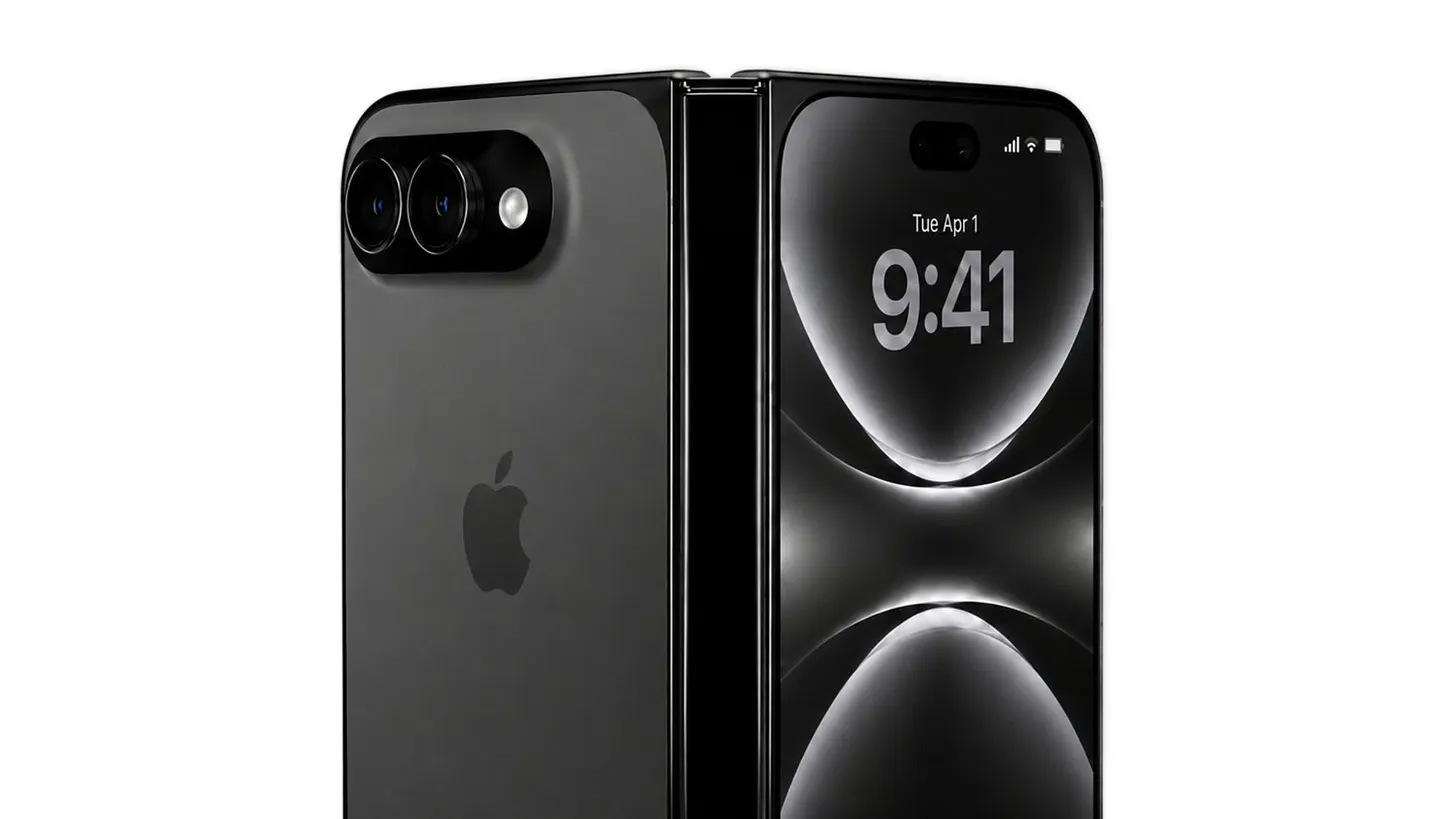
After years of Apple watching everyone else fold phones in half, a book-style foldable is expected at this event — possibly branded iPhone Ultra. The rumoured shape: a 5.5-inch outer display when closed, opening to a 7.8-inch inner display with a 4:3 aspect ratio that's noticeably wider than most rivals. Titanium casing, around 4.5mm thick unfolded and roughly 9mm closed, and a serious engineering push to minimise the crease.
The interesting compromise is biometrics. The phone is reportedly too thin to house the Face ID hardware, so Apple is said to be using Touch ID in the side button, as it does on the iPad Air and iPad mini. A step backwards on paper; in practice, very hard to complain about a fingerprint reader that works when it's raining.
The MacRumors Show breaks down the supplier leak behind most of the iPhone 18 Pro rumours — the C2 modem split, the colour line-up and the pricing problem.
The part that's going to sting
Here's the uncomfortable bit. The iPhone 17 Pro starts at £1,099 in the UK. Analyst Jeff Pu has suggested a £250–£300 increase for the 18 Pro, and US estimates cluster around a $1,399 starting price against the 17 Pro's $1,099. Other forecasts are more modest, in the £100–£200 range. Nobody is predicting it gets cheaper.
The main culprit isn't Apple being greedy — or at least, isn't only Apple being greedy. Memory prices have risen dramatically, with reports of RAM costs roughly tripling. That flows straight into the bill of materials for every phone made this year, not just Apple's. It also explains the reported cost-cutting on the standard iPhone 18: a possible four-core GPU instead of five, reduced display brightness, and components shared with the 18e.
A £250–£300 rise on a £1,099 phone would put the iPhone 18 Pro comfortably north of £1,300 before you've added storage. At that point, "should I buy the new one?" stops being a tech question and starts being a budgeting one.
So what will the standard iPhone 18 actually be?
It's further out, so the rumours are softer. The broad picture: the same 6.3-inch display size as the iPhone 17, an A20 chip, that 24MP front camera, improved brightness, and possibly the smaller Dynamic Island. RAM is the open question — Ming-Chi Kuo has suggested 9GB while Jeff Pu points to 12GB, and that gap matters, because 12GB is reportedly the threshold for the more advanced Apple Intelligence features.
There's also talk of the Camera Control button losing its capacitive sensing and relying on pressure alone. Individually these are small trims. Collectively they read as Apple working very hard to hold a price line while its component costs climb.
- Expected spring 2027, alongside the iPhone 18e and next Air
- A20 chip on 2nm; possibly a four-core GPU rather than five
- 6.3-inch display, improved brightness, possibly a smaller Dynamic Island
- 24MP front camera in line with the rest of the range
- 9GB or 12GB RAM — sources disagree, and it affects Apple Intelligence features
- More shared components with the 18e to keep the price steady
Should you wait, or should you not?
Three honest scenarios.
You want the Pro. Wait for 9 September. Not necessarily to buy it — but because the moment new Pros are announced, iPhone 17 Pro prices soften everywhere, and last year's Pro is going to be a superb phone for a lot less money. This happens every single year and it is reliably the best deal in the calendar.
You want the normal one. You've been handed a genuinely annoying decision. Waiting for the iPhone 18 means waiting until spring 2027, on a phone that's already showing its age. In that case the sensible move is an iPhone 16 or 17 rather than holding out for six-plus months.
Your phone is fine. Then it's fine. Nothing in these rumours is a "throw your current handset in the sea" upgrade. A variable aperture and a slightly smaller cutout are nice; they are not urgent.
New phone prices are going up. Your bill doesn't have to.
If the iPhone 18 Pro really does land north of £1,300, the smart play isn't paying full price for this year's model — it's buying last year's flagship in Good as New condition and putting the difference back in your pocket. Same phone, same experience, considerably less money. And a SIM plan that doesn't quietly climb every April helps too.
See our SIM plans Browse refurbished dealsWhat we'll be watching on the night
The foldable will get the applause, the Pro Max will get the camera demo, and the price slide will get the sharp intake of breath. But the thing worth watching is what Apple doesn't say. If the standard iPhone 18 genuinely isn't mentioned on 9 September, that's a real change in how Apple sells phones — and the first time in a very long while that the iPhone most people actually buy has been left out of iPhone day.
In the meantime, if your current phone is limping along and you'd rather not spend four figures fixing that: our Good as New handsets and Pay Monthly SIMs are a decent way to sit this launch out comfortably.